|
 |
 | | | | | | |||||||||||||||||||||||||||||||||||||||||||||||||||||||||||||||||||||||||||||||||||||||||||||||||||||||||||||||||||||||||||||||||||||||||||||||
| | | You are in: Science/Nature | |||||||||||||||||||||||||||||||||||||||||||||||||||||||||||||||||||||||||||||||||||||||||||||||||||||||||||||||||||||||||||||||||||||||||||||||||
|
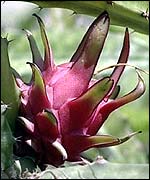
| | Wednesday, 29 May, 2002, 09:50 GMT 10:50 UK Cactus farmers defy the desert Cereus peruvianus, known as koubo, offers farmers hope
So far they have managed to grow commercial quantities of two cactus varieties. They say their work offers the prospect of exploiting the desert and cutting pesticide use. Mexico, home of several of the cacti species, says it should also reap some of the benefits. The potential of the new initiative is described in Prickly Profits, a film made by Television Trust for the Environment (TVE) and shown in its Earth Report series on BBC World.
The Israeli scientists' work marks a change from the policy of trying to reclaim the desert. Lateral thinking Yosef Mizrahi, an agronomist, tells TVE: "In the last decade we're running into a severe problem of water shortage. Farmers in the desert were bankrupt and starting to uproot their orchards.
"We had a crazy idea: why not take desert plants and convert them into crops?" Desert plants need far less water than fruit trees, avoiding the need for irrigation, which the film says has never proved really successful. The Israeli team began with the world's commonest cactus, Opuntia ficus indica, brought to Europe by the Spanish colonisers of Latin America. Its Spanish name is nopal. Alejandro Casas, a Mexican ethnobotanist, says every part of the cactus, including the parasites that lived on it, was formerly used, though nowadays Mexicans exploit it far less. In Israel nopal, left to itself, produces fruit for about a month during July and August, too short a season to provide farmers with a living. Not by the book So Yosef Mizrahi and his colleagues have developed a way to make it fruit for 11 months of the year. He tells TVE: "The secret is very simple: it is heavy fertilisation at the proper time, and then the cactus will reflower and produce the fruits at the time you want it to.
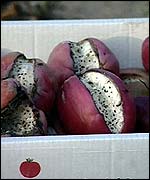
"I have no idea why the cactus is so different, but I suspect that the generalisations that were made in text books were not 100% correct. Maybe other plants follow the same rule, but we have to test it." Israel faces huge competition from foreign nopal growers. Another species it is developing is Cereus peruvianus, a cactus from the coastal deserts of Latin America. Consumer conundrum Known in Israel, the only country where it is grown commercially, as koubo, its fruit can be harvested all year round, and it can do without water for a very long time. Cacti spread their seeds when the fruit cracks open, which is a problem for farmers who want their crop to reach consumers in good condition. Although they can often save other crops by stopping irrigation before ripening starts, this does not work with water-frugal cacti. The Israelis are experimenting with natural plant hormone sprays to force the fruit skins to harden and avoid cracking prematurely. | | See also:  12 Apr 02 | Business 22 Mar 02 | In Depth 13 Aug 01 | Science/Nature Internet links: The BBC is not responsible for the content of external internet sites Top Science/Nature stories now: Links to more Science/Nature stories are at the foot of the page. | |||||||||||||||||||||||||||||||||||||||||||||||||||||||||||||||||||||||||||||||||||||||||||||||||||||||||||||||||||||||||||||||||||||||||||||||
| |
|  E-mail this story to a friend E-mail this story to a friend |
| |
| Links to more Science/Nature stories |
| | | ||
 | ||||
 | | Back to top
| ||
| ---------------------------------------------------------------------------------- To BBC Sport>> | To BBC Weather>> | To BBC World Service>> ---------------------------------------------------------------------------------- © MMIII | News Sources | Privacy |