|
 |
 | | | | | | |||||||||||||||||||||||||||||||||||||||||||||||||||||||||||||||||||||||||||||||||||||||||||||||||||||||||||||||||||||||||||||||||||||||||||||||||
| | | You are in: Science/Nature | |||||||||||||||||||||||||||||||||||||||||||||||||||||||||||||||||||||||||||||||||||||||||||||||||||||||||||||||||||||||||||||||||||||||||||||||||||
|
| | Monday, 27 May, 2002, 11:25 GMT 12:25 UK Vent systems found off New Zealand 
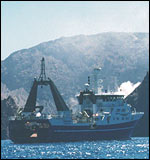
For two weeks this month, scientists investigated 13 newly mapped undersea volcanoes, dotted along 500 kilometres (310 miles) of seafloor north east of New Zealand. The researchers wanted to find new submarine hydrothermal vents and their associated chimneys, or "black smokers", which spew superhot mineral rich waters into the surrounding ocean. Marine biologists say they also turned up bacteria and animals new to science living around the vents. Steaming rocks In 1999, the scientists looked at 13 underwater volcanoes closer to New Zealand and found seven were hydrothermally active.
"It was very, very strong - so that will be a bit intriguing to finally get down there with a camera," said Dr Cornel de Ronde, a marine geologist with New Zealand's Institute of Geological and Nuclear Sciences. At another undersea volcano, the scientists dredged up rocks, which "when we hit them with a hammer onboard, the rock would break open and all this incredible steam would come out of them. "So, we just measured it with a thermometer for a laugh. It was 57 Celsius. Definitely hot rocks," said Dr de Ronde. Hit and miss Finding the third new hydrothermal field was a matter of luck. "Inadvertently, when the position got given to the captain, we swapped around a couple of numbers so the survey started about two kilometres south of the volcano," the marine geologist said.
Dr de Ronde is now pondering why long stretches of the Kermadec Arc are hydrothermally active while others are not. "It's as if parts of the arc are switched on and other parts are switched off. It would seem that magma and heat from the boundary between the Australian and Pacific plates reaches the Earth's crust in some places and not in others." Other scientists from other disciplines - the team included New Zealand, American and Japanese scientists - also have intriguing material to study. Hot, hot, hot The scientists brought home a mix of animals that appear to thrive in the hot volcanic plumes. "There is absolutely sensational material," said marine biologist Dr Steve O'Shea, from New Zealand's National Institute of Water and Atmospheric Research (NIWA). Included in the haul are a brand new bivalve and two new species of mussel.
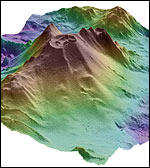
Microbiologists, too, were also able to recover microbes from seawater in the black smoker plumes and grow them at 70 C in laboratory conditions on board the New Zealand research ship. "That's pretty incredible," said geomicrobiologist Dr Chris Daughney. "Seventy degrees is really hot. That's approaching the theoretical temperature limit of life." As well, tiny particulates in the "smoke" of the plumes also suggested there could be significant mineral quantities at two, if not all three, of the new sites. The search for hydrothermal activity followed a three week mapping voyage by another group of scientists from NIWA. Impressive features The NIWA team mapped more than 24,000 square kilometres of seafloor during the 22-day voyage. They were able to build images of more than 50 new volcanoes, with 13 being 10 kilometres (6 miles) or more in diameter. The largest volcano the NIWA scientists discovered while mapping the area was more than 20 kilometres (12 miles) in diameter and 2.5 kilometres (1.5 miles) high. The voyage has also discovered a new caldera volcano that forms a hole in the seafloor five kilometres wide and 500 metres (1,600 feet) deep. "The volcanic processes to form such features must been very impressive," said Dr Ian Wright, the science leader on the mapping voyage. | | See also:  15 Jan 02 | Science/Nature 04 Oct 01 | Science/Nature 14 Dec 00 | Science/Nature 10 May 00 | Science/Nature Internet links: The BBC is not responsible for the content of external internet sites Top Science/Nature stories now: Links to more Science/Nature stories are at the foot of the page. | |||||||||||||||||||||||||||||||||||||||||||||||||||||||||||||||||||||||||||||||||||||||||||||||||||||||||||||||||||||||||||||||||||||||||||||||||
|  |
|  E-mail this story to a friend E-mail this story to a friend |
 | |
| Links to more Science/Nature stories |
| | | ||
 | ||||
 | | Back to top
| ||
| ---------------------------------------------------------------------------------- To BBC Sport>> | To BBC Weather>> | To BBC World Service>> ---------------------------------------------------------------------------------- © MMIII | News Sources | Privacy |