|
 |
 | | | | | | ||||||||||||||||||||||||||||||||||||||||||||||||||||||||||||||||||||||||||||||||||||||||||||||||||||||||||||||||||||||||||||||||||||||||||||||||
| | | You are in: Science/Nature | ||||||||||||||||||||||||||||||||||||||||||||||||||||||||||||||||||||||||||||||||||||||||||||||||||||||||||||||||||||||||||||||||||||||||||||||||||
|
| | Friday, 24 May, 2002, 13:02 GMT 14:02 UK Probing the Universe's first light The CBI consists of 13 radio antennas
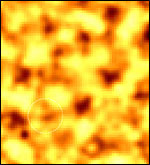
The Cosmic Background Imager (CBI) has detected minute variations in the cosmic microwave background (CMB), the so-called "echo of the Big Bang". This radiation has travelled through space for almost 14 billion years since the time when the Universe developed atoms. A map of the fluctuations in the CMB shows the emergence of structure in the Universe - the first tentative seeds of matter and energy that would later evolve into clusters of hundreds of galaxies. The CBI consists of 13 interlinked microwave telescopes located 5,080 metres high (16,700 feet) in the driest desert in the world - the Atacama. Critical test of cosmology "This is basic research at its finest and most exciting," said US National Science Foundation (NSF) Director Rita Colwell. "Each new image of the early Universe refines our model of how it all began. Just as the Universe grows and spreads, humankind's knowledge of our own origins continues to expand."
"These unique high-resolution observations provide a new set of critical tests of cosmology, and provide new and independent evidence that the Universe is flat and is dominated by dark matter and dark energy," he added. Data from the CBI on temperature distributions in the CMB support a modification of the Big Bang idea called inflation theory. So small Inflation states that the hot plasma of the initial Universe underwent an extreme and rapid expansion which took place in a fraction of a second so small (10-32) most people would find hard to imagine. By examining the peaks of temperature distribution in the CMB, the scientists showed that the precise CBI data are consistent with inflation and confirm earlier findings by other scientists. In April 2000, an international team of cosmologists announced the first compelling evidence that the Universe is flat - that is, its geometry is such that parallel lines will neither converge nor diverge. That team observed at a different frequency from CBI, using a high-altitude balloon flown over Antarctica. Since then, two other teams, using independent methods, have revealed their analyses of the very faint variations in temperature among the cosmic microwaves. The new data are also helping scientists learn more about the repulsive force called "dark energy" that appears to defy gravity and force the Universe apart at an ever-increasing pace. | | See also:  23 May 02 | Science/Nature 28 Apr 00 | Science/Nature 26 Apr 00 | Science/Nature 30 Jun 01 | Science/Nature Internet links: The BBC is not responsible for the content of external internet sites Top Science/Nature stories now: Links to more Science/Nature stories are at the foot of the page. | ||||||||||||||||||||||||||||||||||||||||||||||||||||||||||||||||||||||||||||||||||||||||||||||||||||||||||||||||||||||||||||||||||||||||||||||||
| |
|  E-mail this story to a friend E-mail this story to a friend |
| |
| Links to more Science/Nature stories |
| | | ||
 | ||||
 | | Back to top
| ||
| ---------------------------------------------------------------------------------- To BBC Sport>> | To BBC Weather>> | To BBC World Service>> ---------------------------------------------------------------------------------- © MMIII | News Sources | Privacy |