|
 |
 | | | | | | |||||||||||||||||||||||||||||||||||||||||||||||||||||||||||||||||||||||||||||||||||||||||||||||||||||||||||||||||||||||||||||||||||||||||||||||||||||||||||||||||||||||||||||||||||||||||||||||||
| | | You are in: Programmes: Working Lunch: Rob on the road | |||||||||||||||||||||||||||||||||||||||||||||||||||||||||||||||||||||||||||||||||||||||||||||||||||||||||||||||||||||||||||||||||||||||||||||||||||||||||||||||||||||||||||||||||||||||||||||||||||
|
| |  Wednesday, 20 November, 2002, 17:39 GMT Wednesday, 20 November, 2002, 17:39 GMT The housing challenge 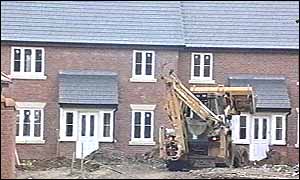 Where can affordable housing be built? Finding and buying the right home can be enough of a problem, especially with prices rising at 23% a year, as reported on Wednesday by the Royal Institution of Chartered Surveyors. But the UK Government and local councils face a challenge on a massive scale. House building has declined in recent years to 162,000 homes a year. To meet current demand that figure must rise to 225,000. And it's not just a question of quantity - a proportion must be affordable to those who've been priced out of the market. Problems Building at such a rate causes various problems. People in the countryside don't want new developments on greenfield sites. But houses will have to go somewhere, especially in the south-east, where 43,000 a year will have to be built until 2016.
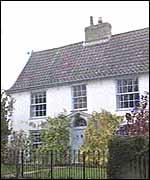
The alternative is old industrial land known as brownfield sites. One recent survey suggested there was enough land for a million new homes. But developers are concerned about the extra costs they would face to make derelict sites and buildings habitable. Also, house building must be done so that communities develop in proportion. Some big projects in the south-east are on hold because there's no cash forthcoming to provide new schools and other facilities. Poringland It's that question of amenities which worries villagers at Poringland near Norwich. Fifty years ago 500 lived there. It has now spread into the surrounding villages and the population is well over 6,000. But new developments could see 1,000 homes added over the next decade. Ruby Clarke ran the village shop for 30 years and is amazed at the changes.
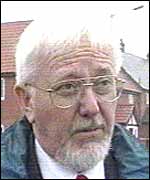
"Now all of a sudden they decide they want houses, houses, houses everywhere." "We have no civic facilities in the village," argues parish council chairman John Henson. "We have shops, a few offices, we have doctors' surgeries, but we have no library, no community centre and no sports facilities other than six acres of playing fields." Balance Developers negotiate with local councils about how much they should give a community in return for permission to build. Some villages are lucky enough to get a new community centre. Others, like Poringland - which would dearly love to replace the 80-year-old tin hut which serves as a meeting place - end up with much less. It's a difficult balance for councils to get right.
He says Poringland will get new facilities, but only when they are fully justified. A new school can't be built just because one or two families have moved in. Tariff system Some people argue for a tariff system, so developers have to pay a set amount to the community for each house they build. "The thing that worries me," says the parish council's John Henson, "is that this is a dump for housing, a place where you put people, where they commute into Norwich for work, they come back at night, they shut the front door and that's the end to it - they have nothing to do with the community." Those who can afford the new houses are the lucky ones. As prices rise, increasing numbers of people are being left out of the open market. That's why the government is taking steps to ensure provision is made for them. Affordable housing unit A new affordable housing unit has just been set up in the Office of the Deputy Prime Minister. It aims to bring together government, local authorities, developers and housing associations to address the problem. But it's on the ground that the effectiveness of any policies will be measured. "We have a survey which shows the need for affordable housing, and we are now asking for 25% of new housing to come into that category," says South Norfolk's Alan Gomm. "That's mainly homes for rent in conjunction with a housing association or it could be shared ownership or some market housing which is cheaper, perhaps because it's smaller. "The developers know this will be expected of them and we then negotiate with them." Regional variations But, like the housing market itself, regional variations come into play. "The system is reasonably effective here because there is enough in the value of the land to give the developers profit, but in other areas it's hard for them to make money because land values are so low," he says. With such a huge housing target to meet, the government is bound to raise the hackles of the not-in-my-backyard brigade at some point. But it's a serious problem that has to be tackled, and there are certain to be radical changes to parts of the British landscape in the years ahead. | |
See also:  20 Nov 02 | Business Internet links: The BBC is not responsible for the content of external internet sites | |||||||||||||||||||||||||||||||||||||||||||||||||||||||||||||||||||||||||||||||||||||||||||||||||||||||||||||||||||||||||||||||||||||||||||||||||||||||||||||||||||||||||||||||||||||||||||||||||
| |
|  E-mail this story to a friend E-mail this story to a friend |
|  |
| Links to more Rob on the road stories |
| | | ||
 | ||||
 | | Back to top
| ||
| ---------------------------------------------------------------------------------- To BBC Sport>> | To BBC Weather>> | To BBC World Service>> ---------------------------------------------------------------------------------- © MMIII | News Sources | Privacy |