|
 |
 | | | | | | ||||||||||||||||||||||||||||||||||||||||||||||||||||||||||||||||||||||||||||||||||||||||||||||||||||||||||||||||||||||||||||||||||||||||||||||||||||||||||||||||||||||||||||||||||||||||||||||||
| | | You are in: Programmes: Working Lunch: Rob on the road | ||||||||||||||||||||||||||||||||||||||||||||||||||||||||||||||||||||||||||||||||||||||||||||||||||||||||||||||||||||||||||||||||||||||||||||||||||||||||||||||||||||||||||||||||||||||||||||||||||
|
| |  Wednesday, 25 September, 2002, 15:04 GMT 16:04 UK Wednesday, 25 September, 2002, 15:04 GMT 16:04 UK Nursery growth 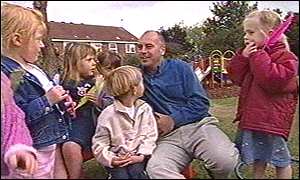 Rob Pittam discovers more about the nursery business What's been the fastest growing small business sector in the past few years? You might be surprised to find it's day nurseries, which have shown a 42% increase since 1998. There are now well over 8,000 across the country. That's perhaps understandable, with the government encouraging more mums to return to work and promising to create more childcare places. In fact, the number of mothers with under-fives going back to work has risen from 32% to 51% in the past decade. Option So there's clearly a demand for childcare, but how can you turn that into a business opportunity?
Day nurseries are one of the options available for both parents and care providers - others include childminding, playgroups and out-of-school clubs. Lois Nott set up Smarties day nursery, at Enderby near Leicester, 10 years ago. It now has 118 children on its books, divided between the baby unit, pre-school group and after-school club. Business plan "We did extensive market research, more than most," says Lois. "We looked at the area, decided how we wanted the nursery to look and asked parents what they wanted. "We compiled our business plan based on that research and were able to secure backing from a local regeneration fund."
Lois employs more than 40 people, including a nursery manager and a training manager. Getting qualified staff can be a problem, so Smarties provides its own training. Happy staff Wages make up 70% of Lois's costs. But her income is determined by how much parents are prepared to pay. Smarties charges up to �150 a week, and Lois says that it would be difficult to ask for more money in her particular area; charges can vary around the country. As a result, staff are on about �10,000 a year and there is a temptation to seek more money in schools and social services when they qualify. Lois tries to counter this by keeping staff happy with flexible hours and longer holidays. Research Starting a day nursery isn't cheap. Smarties is based in an old factory, but many people opt for purpose-built premises. Local authorities can advise on whether the building you plan to use are viable and what will need to be done to it. A business plan is vital to secure funding, whether it's from a bank or another type of backer. You will need to do market research to see how much local demand there is, what competitors offer and how much they charge, and how few children you will need to cover your initial costs. These can be quite high as you'll need to provide toys and other equipment and market your nursery to attract business. Register As well as meeting legal and safety requirements, nurseries must also be registered with Ofsted. A check will be carried out and it might be six months before you're allowed to start trading. Local authorities can help put this process in motion - Ofsted will also want to check whether any of your staff have criminal records. There's no limit on how many children you can look after, but you must meet certain staff-to-child ratios. They range from one staff member to every three children under two to a ratio of one to 13 at after-school clubs. Overprovision Claire Schofield of the National Day Nurseries Association says the sector is booming because the government has a childcare strategy and is putting money behind it. But that doesn't mean the business opportunities are endless. "People should research and plan very carefully," she says. "In some areas we are starting to see overprovision. "A lot of people come into this because they love working with children. "But it takes more than just a love of children to make a successful nursery. You have to make sure your business plan makes sense and you are setting something that's a viable proposition." Lois Nott echoes that view. "It's not a moneyspinner - you have to plough every bit of money back into your business to make it a success," she says. "But it's my life and I don't want it any other way." Useful Links More information on 0845 601 4771. The National Day Nurseries Association NDNA offers training and support programmes, and also provides information and guidance to parents on choosing daycare. More information on 0870 7700 449. The Government's National and local Childcare information national information line is 08000 96 02 96. National Childminding Association The Scottish Childminding Association (SCMA) The Scottish Childminding Association promotes childminding as a quality childcare service. Its primary purpose is to inform childminders, parents, employers, local authorities and central government about what constitutes good practice in childminding and how to attain this. Northern Ireland Childminding Association Children in Scotland is the national agency for voluntary, statutory and professional organisations and individuals working with children and their families in Scotland. Daycare Trust is a national childcare charity promoting high quality affordable childcare for all. A national membership scheme for employers who are committed to the development for work life balance polices for all. The Government's Early Years Development and Childcare Partnerships | |
| ||||||||||||||||||||||||||||||||||||||||||||||||||||||||||||||||||||||||||||||||||||||||||||||||||||||||||||||||||||||||||||||||||||||||||||||||||||||||||||||||||||||||||||||||||||||||||||||||
|  |
|  E-mail this story to a friend E-mail this story to a friend |
|  |
| Links to more Rob on the road stories |
| | | ||
 | ||||
 | | Back to top
| ||
| ---------------------------------------------------------------------------------- To BBC Sport>> | To BBC Weather>> | To BBC World Service>> ---------------------------------------------------------------------------------- © MMIII | News Sources | Privacy |