|
 |
 | | | | | | ||||||||||||||||||||||||||||||||||||||||||||||||||||||||||||||||||||||||||||||||||||||||||||||||||||||||||||||||||||||||||||||||||||||||||||||||||||||||||||||||||||||||||||||||||||||||||||||||||||||||||||||||||||||||||||||||
| | | You are in: Programmes: Working Lunch: Education | ||||||||||||||||||||||||||||||||||||||||||||||||||||||||||||||||||||||||||||||||||||||||||||||||||||||||||||||||||||||||||||||||||||||||||||||||||||||||||||||||||||||||||||||||||||||||||||||||||||||||||||||||||||||||||||||||||
|
| |  Wednesday, 20 November, 2002, 16:15 GMT Wednesday, 20 November, 2002, 16:15 GMT Lunch Lesson 11 - Cash flow 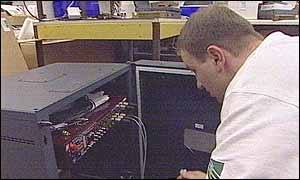 It is important that DJ Willrich Ltd gets money on time Successful cash flow management is key to the success of every business. Each year it is estimated that ten thousand UK businesses fail as a direct result of late payment and cash flow problems. And up to �17bn is owed from debtors at any one time. DJ Willrich DJ Willrich Limited is a specialist in audio-visual and multi-media design. A relatively small company, DJW has 13 full-time staff and a turnover of a �1.6m a year. Its clients include many big companies and organisations like councils and local authorities and they do business throughout Europe and the Middle East. Although it is a small business, the contracts can range in value from a few thousand up to a million pounds. Making money It makes its money in two main ways: Costs DJW's direct costs come from the specialist equipment, staff and rent. The displays take a long time to prepare, and are very resource heavy.
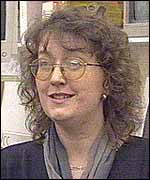
Because the outlay is so great, Lynne Willrich, the Financial Director of DJW, tries to negotiate payment terms that will cover at least part of its costs before the job is done. "We try to ask for 30% with order, 50% on installation and 20% on completion," says Lynne Willrich, a director of the company. Inflexibility Unfortunately for DJW though, many of its clients, especially the bigger ones, have their own payment terms that are quite inflexible. Councils for instance only pay on a set day each month, so if that day is missed, then payment can be delayed by a month. "Getting approval for expenditure can take weeks, then it takes weeks to get approval for the invoice to be paid," says Lynne. But even when favourable payment terms are agreed upon, there are still lots of other factors that can impact cash flow and suppliers, most of whom are on 30 day terms, have to be paid. Delays Lynne tries to plan her finances a year ahead, but because of the nature of the business there are always factors that she's unable to take into account. If for example a job is delayed because the construction of the venue has not been completed, DJW can't get their staff in to do the job, so the invoices for the second stage of payment can't go out. This is especially costly for the business because they will be running at a loss, having already had to fork out for equipment and staff. With experience Lynne has learnt to factor these things into her cash flow projections, but one big client not paying on time can still throw the cash flow out of the window. Government help The Late Payment Act came into effect in 1998 and was given further teeth this August when businesses were given the right to claim the costs involved in recovering debts, this is on top of the interest they are allowed to charge on late payments. The Late Payment Act provides all businesses and the public sector with: Ineffective But the Late Payment Act is an ineffective tool for the likes of DJW. They feel that threatening their clients with interest and court action is likely to lose them business. "If we were to charge our clients interest for late payment, they wouldn't come back to us. "Business is created via word of mouth. Having a reputation for taking legal action would harm that," says Lynne. And besides, the cost of legal action is often beyond the means of small businesses, whereas a larger organisation is unlikely to fear that threat. "Bigger companies are aware of the legislation, but they play it for what it is, they know that we won't take them to court. We try to negotiate rather than threaten legal action," continues Lynne. Account management When DJW started out, they knew most of their clients, and late payment was something they rarely had to deal with. But as the business has grown, so have the clients. It's not always possible to assure prompt payment. So now, when a cheque doesn't arrive on time, it can mean serious problems for the company's cashflow. The trick for Lynne is good account management, a friendly bank manager, and knowing who you're dealing with. "You have to know who you're chasing, don't leave it till it's too late to find out who will be paying the bill. "As soon as you send an invoice, follow it up. And when it's not paid, jump on it," advises Lynne. Action plan It's also important to have good relations with your suppliers. When a payment is late, Lynne has an action plan. Her first port of call is to the bank to arrange an overdraft facility and to keep them informed of what is happening, then it's a case of chasing the payment through the contacts you have. Not working? So is the legislation working at all, if companies like Lynne's are too afraid to use it? "It's too soon to see if the legislation has had any impact, but we are aware of its limitations," says Matthew Fell of the CBI.
"Legislation plays a part but has to be part of a better credit management programme. And it's best for all businesses if we have good payment practice in the UK," says Matthew. And as more and more companies become aware of the new powers in the Act, they might become more inclined to pay on time.
Lynn Willrich has a great time installing audio visual equipment for exhibitions and many other hi-tech activities. It's an exciting business to be in. The exhibitions are full of creative ideas and there are many famous-name clients such as the FA Premier League Hall of Fame. Have a look at the company's website, Cash flow There is just one cloud on the horizon - cash flow. Installations like this are expensive and Lynn has to pay for all the equipment they use and the people to do the work before the company is paid by the client. If people don't pay their bills on time, DJ Willrich Ltd, as the company is called, can be in trouble. Just think... What will happen to DJ Willrich Ltd if too much cash flows out before money starts flowing in? What do you think Lynn must do to keep control over the situation? Please pay up As 80% of the cost of a project is equipment which has to be bought from suppliers, Lynne asks for: Even when this works - problems can still crop up. DJ Willrich usually starts to set up its installations last - when all the building work is done - so the slightest delay upsets the cash flow. The business that has provided the equipment is waiting to be paid but Lynne is still waiting for the 50% payment as their work hasn't begun. Just think... What can happen to a business that can't pay its bills? How does Lynne avoid these difficulties? A small business problem? Cash flow is a problem for small businesses but not a small problem! There are all sorts of costs involved in managing cash flow and avoiding insolvency. Large companies can be big enough to spread the problem. If one project is paying late, another may be on time so the bank can be kept happy. Relationships Lynne's lucky because she has good relationships with both the bank and suppliers. Fortunately they understand the difficulties that face a small business - but it always makes her feel vulnerable because you can't predict when things will go wrong. Although she does her cashflow forecast for the months ahead, there are too many things that might go wrong. Just think... Why is it hard for Lynne to predict when cash flow problems will happen? Explain why cash flow can be more of a problem for a small business than a large business. Does the law help? In 1998 the Late Payment of Commercial Debts Act was brought in. It aimed to help small businesses by allowing them to charge interest on overdue payments. The aim was to encourage businesses to pay up on time to avoid having to pay the interest - but has it worked? Lynne is not convinced. She needs to keep good relations with clients in order to maintain a good reputation. If she charges interest, they won't come back and may tell others that they are not a great business to work with. The other solution is to take people to court to get the interest. This will damage their reputation even more. Anyway - most small businesses have neither the time nor money to pursue poor payers. Just think... Making a profit is critical to the success of all businesses but sometimes it can be at the expenses of others. Should an 'ethical' business always pay its bills on time even if it damages its own position? | |
Internet links:  The BBC is not responsible for the content of external internet sites | ||||||||||||||||||||||||||||||||||||||||||||||||||||||||||||||||||||||||||||||||||||||||||||||||||||||||||||||||||||||||||||||||||||||||||||||||||||||||||||||||||||||||||||||||||||||||||||||||||||||||||||||||||||||||||||||||
| |
|  E-mail this story to a friend E-mail this story to a friend |
|  |
| Links to more Education stories |
| | | ||
 | ||||
 | | Back to top
| ||
| ---------------------------------------------------------------------------------- To BBC Sport>> | To BBC Weather>> | To BBC World Service>> ---------------------------------------------------------------------------------- © MMIII | News Sources | Privacy |