|
 |
 | | | | | | |||||||||||||||||||||||||||||||||||||||||||||||||||||||||||||||||||||||||||||||||||||||||||||||||||||||||||||||||||||||||||||||||||||||||||||||||||||||||||||||||||||||||||||||||||||||||||||||||||||||||||||||||||||||||||||||||||||
| | | You are in: Programmes: Working Lunch: Education | |||||||||||||||||||||||||||||||||||||||||||||||||||||||||||||||||||||||||||||||||||||||||||||||||||||||||||||||||||||||||||||||||||||||||||||||||||||||||||||||||||||||||||||||||||||||||||||||||||||||||||||||||||||||||||||||||||||||
|
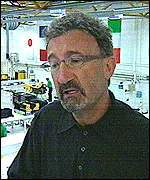
| |  Wednesday, 29 May, 2002, 15:15 GMT 16:15 UK Wednesday, 29 May, 2002, 15:15 GMT 16:15 UK Lunch Lesson 17 - Company doctor 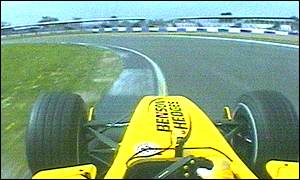 Jordan Grand Prix is seeking expert advice The founder of Jordan Grand Prix, Eddie Jordan, has turned to management consultants for help with his business. Following some recent disappointing race results, the chief executive is now looking to get a better performance from his business as well as his cars. He said: "In Formula 1 you're judged every two weeks by
The decision to bring in the experts is to achieve more company gains, improved overall performance and better value - a good recipe for any strong company. Bringing in the experts Speed is of the essence in Formula 1 and in January 2001 Jordan turned to outside help from consultancy firm Celerant. They found that some of the processes and procedures at Jordan were working particularly well, while in other areas there was unnecessary duplication and waste. Fundamental processes in the business needed immediate attention. Ian Clarkson, chief executive of Celerant, explained: "Our first diagnosis was that the people were fantastic but that there were problems with quality, reliability, waste and duplication and that was affecting productivity."
Competition Jordan Grand Prix is an independent company and a relatively small player in Formula 1. It's up against some of the world's major car corporations and has to compete with their deep pockets and rich sponsors. It has been going for more than 10 years and in the early days, the business survived on plenty of enthusiasm and hard work to achieve success. In the long term that wasn't enough as there were few systems in place and very little structure or organisation. Something had to change. Small company culture Jordan started out with 43 staff in 1991 and it now employs around 250. As the company began to grow, the "small company culture" remained and the strain began to show.
Everybody was working individually with little or no communication between departments, so they did not know how the whole project was progressing. Inefficient Despite some good wins in 1998-99, Eddie Jordan felt there was a need to get better value from the business and improve the way the company worked. The consultant's solution was to appoint one person who could see the overall picture and co-ordinate everybody's effort. Jordan now has a more transparent structure - all the staff know who does what and who is responsible for each task. Tough choices In the improvement process, some hard decisions have had to be made.
About 15% of the workforce were made redundant, including Eddie Jordan's joint managing director and head of engineering. As a result, signs of recovery began to show through. Jordan have put themselves on the scoreboard for the first time this season and this is a huge boost to their fortunes. Big business Running a Formula 1 company is an expensive business. It can cost between �30m and �250m a year to develop the highly complex racing cars - and that's before you've even paid the driver. Each race can wipe thousands of pounds off the balance sheet for repairs, replacements and in extreme cases, write-offs. There is no room for waste or inefficiency in the business. Delays On a Formula 1 car there are 3,500 components, of which 50% change each season. At Jordan some major problems were found with the supply chain. Parts would be delivered that did not actually fit the car when they arrived. This led to delays on the track. Speeding up Time and money were being wasted on testing and reworking parts. Celerant suggested that the co-ordination between Jordan and their suppliers was improved. Since then lead times have been reduced and parts now reach the car much faster. That's not all that's speeded up - the car itself now has the potential to go 5kmh faster. Back on track? The cancellation of a �10m sponsorship deal earlier this year did nothing to help Jordan's fortunes and a general downturn in advertising and sponsorship deals post 11 September has meant even more belt tightening. In any competitive environment, constant improvement is needed to create and sustain a strong position. Jordan has already gone through serious changes to compete but in Formula 1, speed is key. If its cars don't continue to win points, Jordan may not have the luxury of time to make its dreams of a championship win in the next five years come true. Student Guide Running a business and winning a race have a lot in common. Being first past the chequered flag tends to come only when the business operation is going well. Eddie Jordan set up his business 10 years ago. He loves being in Fomula 1 - but the business wasn't working so his cars weren't going fast enough. To make the business work better, he brought in Celerant Consultants. Could they make the cars go faster? Who's at the wheel? Jordan had started as a small business in which one person was in control. As it grew, it needed new departments. But no one took an overview so they worked on their own. All businesses need someone to look at the big picture. In a very small business, the boss may do it all. As a business grows, this may become too complex a task for one person who is also involved in the day to day running of a company. Just think... Why is it important for the departments of a business to work together if the organisation is to be successful? Speed is critical A Formula 1 car has 3,500 components. Every year 50% of them need to be changed - a logistical nightmare! When parts turn up that don't fit, time is wasted. Time is money because people are sitting waiting. The process of development runs to a very fine time line. Once the season begins, there is no time to waste. Just think... Lots of businesses suffer from logistic problems. Jordan is an extreme case. How does a business you know make sure that people are not kept waiting? If staff or customers have to wait too long, what happens? A race plan? Jordan grew from a very small business into a medium sized business with the potential for great profits. To make this work, things had to change. It needed more bosses but they needed to work together. Management consultants Celerant spotted the problem and suggested that one boss should oversee the whole business so all the parts of the organisation could work as one. Just think... Why do you think it can be difficult for a business to grow up? Why does someone who has set up a business find it hard to let go? The chequered flag The squares of a chequered flag are just like all the factors that make a business work. They are all linked together. In Jordan's case, Celerant looked at the business and worked on increasing its productivity. All the ideas they suggested aimed at getting more for less. Some of them worked on making the business more efficient. Others looked at making the parts work together better. Together these strategies led to more productivity - which means getting more for less. Just think... Do you know of a business that is trying to be more efficient? How is it going about being more productive? | |
Internet links:  The BBC is not responsible for the content of external internet sites Top Education stories now: Links to more Education stories are at the foot of the page. | |||||||||||||||||||||||||||||||||||||||||||||||||||||||||||||||||||||||||||||||||||||||||||||||||||||||||||||||||||||||||||||||||||||||||||||||||||||||||||||||||||||||||||||||||||||||||||||||||||||||||||||||||||||||||||||||||||||
| |
|  E-mail this story to a friend E-mail this story to a friend |
|  |
| Links to more Education stories |
| | | ||
 | ||||
 | | Back to top
| ||
| ---------------------------------------------------------------------------------- To BBC Sport>> | To BBC Weather>> | To BBC World Service>> ---------------------------------------------------------------------------------- © MMIII | News Sources | Privacy |