|
 |
 | | | | | | ||||||||||||||||||||||||||||||||||||||||||||||||||||||||||||||||||||||||||||||||||||||||||||||||||||||||||||||||||||||||||||||||||||||||||||||||||||||||||||||||||||||||||||||||||||||||||||||||||||||||||||||||||||||||||||||||||
| | | You are in: Programmes: Working Lunch | ||||||||||||||||||||||||||||||||||||||||||||||||||||||||||||||||||||||||||||||||||||||||||||||||||||||||||||||||||||||||||||||||||||||||||||||||||||||||||||||||||||||||||||||||||||||||||||||||||||||||||||||||||||||||||||||||||||
|
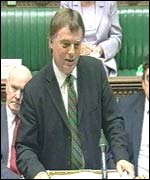
| |  Wednesday, 11 June, 2003, 15:37 GMT 16:37 UK Wednesday, 11 June, 2003, 15:37 GMT 16:37 UKPlans for better pension protection  The government has today been addressing some of the key issues thrown up by the pensions green paper of last year. Pensions Secretary Andrew Smith has announced that the government is to introduce a pension protection fund. Insurance The insurance plan, funded by a levy on employers schemes, will offer workers, who've paid into an occupational pension scheme, more protection in the event their company goes out of business and the scheme fails. All businesses who offer occupational pension schemes will be required by law to pay into the scheme.
And the premiums will be risk related, so the higher the risk of the company fund, the higher the levy. This measure comes about in large part because of the recent high profile cases where employees, who've been paying into schemes for years have been left with nothing when their employer goes bust and leaves the pension fund in huge deficit. Under current legislation only pensions in payment are protected, so a worker on the point of retirement would get nothing, but someone who is already retired is guaranteed something.
As part of the new measures, this so called minimum funding limit is to be abolished. This would have helped Working Lunch viewer Charles Moverly whose company went into liquidation last year leaving behind a severely depleted pension fund. In future, his company's pension scheme would have been covered by the Pension Protection Plan. But for Charles the move might be too late. It is not yet clear whether the fund will help in retrospective cases. Reaction So what does our resident pensions expert Malcolm McLean think of the today's announcement? "It seems that the government has recognised there is a problem here," says Malcolm of the pensions advisory service. "Workers have really been suffering. "When a company goes under and a scheme is wound up employers who've been paying contributions for 30 years have seen their pension wiped out at a stroke" The funding of the scheme through levies is a good idea believes Malcolm, but what happens if several high profile companies go under, would the scheme be able to cope? "I'd like to see the government underwriting the scheme," says Malcolm. "An issue that needs to be addressed here is what happens if two major FTSE 100 companies go bust within short succession - that would bankrupt the scheme."
Malcolm also believes that the scheme will discourage companies from letting their pension funds run down, because of the way the levies are set. Winding up of schemes Another measure which will please many workers is the commitment from the government to stop employers walking away from the responsibilities, by winding up solvent pension schemes. This happens frequently if the schemes become too burdensome, or because of a company takeover. "We need to increase the protection for schemes that are wound up forcing employers to buy out members rights in full," says Pensions Minister, Andrew Smith. According to the Minister this practice has, "inflicted untold damage on confidence in the system so we need to act to make sure that promises are honoured by employers." The government says that it is wrong that solely because of a takeover, workers see their rights scrapped. So the law will be changed offering more protection to workers and forcing new employers to match the contributions already in place up to a maximum of 6%. "A promise is a promise I couldn't agree more," says Malcolm McLean. "No question about this. When an employer chooses to wind up a scheme, and he's not forced to do this, he should stand-by his promises." Employers As a sop to employers and to perhaps relieve the burden of the new insurance levies, the indexation of pensions at 5% or inflation will end. Because the inflation rate has fallen since the level was set, argue the government, the new benchmark will be 2.5% or inflation, whichever the greater. This will not apply to pensions already in payment. The government has also called for more simplification of pensions regulation and will set up an independent pensions regulator to tackle fraud and poor administration. | |
See also:  11 Jun 03 | Business 11 Jun 03 | Business 18 Dec 02 | Working Lunch 27 Mar 03 | Working Lunch | ||||||||||||||||||||||||||||||||||||||||||||||||||||||||||||||||||||||||||||||||||||||||||||||||||||||||||||||||||||||||||||||||||||||||||||||||||||||||||||||||||||||||||||||||||||||||||||||||||||||||||||||||||||||||||||||||||
 | |
|  E-mail this story to a friend E-mail this story to a friend |
| |
| Links to more Working Lunch stories |
| | | ||
 | ||||
 | | Back to top
| ||
| ---------------------------------------------------------------------------------- To BBC Sport>> | To BBC Weather>> | To BBC World Service>> ---------------------------------------------------------------------------------- © MMIII | News Sources | Privacy |