|
 |
 | | | | | | ||||||||||||||||||||||||||||||||||||||||||||||||||||||||||||||||||||||||||||||||||||||||||||||||||||||||||||||||||||||||||||||||||||||
| | | You are in: Programmes: Working Lunch | ||||||||||||||||||||||||||||||||||||||||||||||||||||||||||||||||||||||||||||||||||||||||||||||||||||||||||||||||||||||||||||||||||||||||
|
| |  Wednesday, 11 June, 2003, 12:32 GMT 13:32 UK Wednesday, 11 June, 2003, 12:32 GMT 13:32 UKCosmopolitan currency  The euro's major competitor is the dollar. The impression is that the mighty greenback is the all American currency while the euro is a hotchpotch of all the European currencies. But the dollar is in fact far more cosmopolitan than you think. A look at the history of the two currencies reveals some striking similarities.
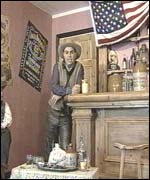
Cowboys Early American cowboys didn't actually use any dollars at all. They used a combination of all sorts of different currencies from the English Shilling to Spanish Reals. What is more, the currency adopted in one part of the country wasn't necessarily accepted in other parts. It was a monetary chaos; what they needed was some sort of monetary unification. War and unification It took a dramatic event to bring that unification and create a single currency. The revolutionary wars with the British had to be financed, but the Americans had no power to raise taxes, and they had no currency of their own. So the Continental Congress invented a currency and called it the Continental. To ensure its adoption, people were forced to accept it and fined if they refused. But a century later, the situation had barely improved. Too many currencies In the 1700's the Congress may have managed to create its own currency but by the 1800s there were once again a whole variety of monies in daily use. Each bank was now issuing its own notes. Banks in the East issued different notes from those in the West and the currency tended to lose value the further it travelled from its issuing bank. This in turn gave rise to an industry of so called shavers.
The Euro of course, is also issued by lots of different banks in different places but law states it can only have one value, however far it goes from the issuing bank. International The dollar may seem to symbolise all things American. But it grew out of different European currencies. The South was called Dixie because New Orleans bills, in the mainly French colony, were marked "dix" as well as "ten". Even the dollar's name is not very American. Its roots are Germanic; dollar comes from the word thaler which was an Austrian currency. The Scandinavians took the word and turned it into Daler and the Americans started using it to describe Spanish silver coins. Over time it became known as the dollar. A shining example So in many ways, the dollar experience is remarkably similar to the euro. Both come form a need to create order in a growing single market. They both have very international influences. Today the dollar has a character of its own, quite separate from the currencies it grew out of. And since America adopted the gold standard in 1900, the dollar has virtually conquered the world. It's the national currency, but widely used abroad. And for years it has been both strong and safe. Will the same be said of the Euro in a 100 years time? | | |||||||||||||||||||||||||||||||||||||||||||||||||||||||||||||||||||||||||||||||||||||||||||||||||||||||||||||||||||||||||||||||||||||||
 |  |
|  E-mail this story to a friend E-mail this story to a friend |
| |
| Links to more Working Lunch stories |
| | | ||
 | ||||
 | | Back to top
| ||
| ---------------------------------------------------------------------------------- To BBC Sport>> | To BBC Weather>> | To BBC World Service>> ---------------------------------------------------------------------------------- © MMIII | News Sources | Privacy |