|
 |
 | | | | | | ||||||||||||||||||||||||||||||||||||||||||||||||||||||||||||||||||||||||||||||||||||||||||||||||||||||||||||||||||||||||||||||||||||||||||||||||||||||||||||||||||||||||||||||||||||||||||||||||||||||||||
| | | You are in: Programmes: Working Lunch | ||||||||||||||||||||||||||||||||||||||||||||||||||||||||||||||||||||||||||||||||||||||||||||||||||||||||||||||||||||||||||||||||||||||||||||||||||||||||||||||||||||||||||||||||||||||||||||||||||||||||||||
|
| |  Tuesday, 10 June, 2003, 13:31 GMT 14:31 UK Tuesday, 10 June, 2003, 13:31 GMT 14:31 UKLobbying for change 
The Consumer Credit Act is under review and over the past few weeks we've been looking at how desparately a change is needed in the way debt is regulated. One of the key things Working Lunch and debt campaigners are hoping for, as a result of this review, is a cap to be placed on interest rates charged by lenders in the 'sub-prime' or door to door market. These loan firms lend to people who cannot obtain credit through the usual means. The interest levels on loans from these companies can often be extortionate, and only serve to keep poor people in debt and poverty. So how do you go about getting the law changed? Can you do it alone or do you need to employ the dark arts of the lobbyist? Talking to the right people Changing the law is a long journey - you have to know what you want and how to get there. And it might also cost you.
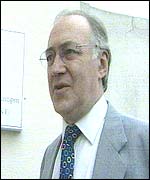
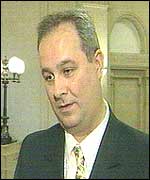
The basic ingredient is a politician. On this particular issue of debt, MPs Michael Howard and Stephen Norris both believe debt is a real problem. They have been checking out credit unions to find out if they might have a role to play in tackling the issue. Michael Howard, Shadow Chancellor says personal and household debt can be a source of great misery. "I'm very concerned and I want to explore ways of easing that problem" he says. Paying for access But ministers are not always quite so receptive. If you're determined to be successful, a lobbyist may be your answer.
He says lobbying is essential if you're serious about changing the law. "It's not essential to pay for it," says Iain. "People think that you need to have thousands pounds to get access but really, a lot of it is about common sense." If you're canny, you might be able to persuade a lobby firm to act on your behalf, if not, you'll be looking to pay around �1,000 a day. Wasting your effort But James Humphreys, ex-Director of Communications at Downing Street suggests paying for a lobby firm might be a waste of time. "Where lobbyists don't really understand what they're trying to do themselves, and don't understand the system, they're not really putting their cause across effectively. They're wasting everyone's time. "They're the ones we didn't want to have the calls from". "It's very easy to enter the industry," says James, " but many companies know little more than their clients about matters of government."
James goes on to illustrate his opinion by talking about his time spent working at the European Commission in Brussels. "I'd regularly be called by lobbyists asking about what was happening at the Commission. I'd tell them for free because I worked for the government and that was my job, and then they'd sell that information on to their clients for a fee." The personal approach Everyone has the right to meet and talk to their MP, so if a lobby firm is beyond your means, then you can request a face to face meeting with your MP; in the central lobby of the Houses of Parliament if you choose. If you feel strongly about high interest rates on loans, or any other matter, just give your MPs office a call. The future As for the next steps on the debt cap issue, the government will examine the evidence that has been presented during the consultation period. Then the findings are presented and further parliamentary debate will follow. A combination of legislation and regulatory reform is the likely outcome at some point in the future. | |
Internet links:  The BBC is not responsible for the content of external internet sites | ||||||||||||||||||||||||||||||||||||||||||||||||||||||||||||||||||||||||||||||||||||||||||||||||||||||||||||||||||||||||||||||||||||||||||||||||||||||||||||||||||||||||||||||||||||||||||||||||||||||||||
 | |
|  E-mail this story to a friend E-mail this story to a friend |
| |
| Links to more Working Lunch stories |
| | | ||
 | ||||
 | | Back to top
| ||
| ---------------------------------------------------------------------------------- To BBC Sport>> | To BBC Weather>> | To BBC World Service>> ---------------------------------------------------------------------------------- © MMIII | News Sources | Privacy |