|
 |
 | | | | | | |||||||||||||||||||||||||||||||||||||||||||||||||||||||||||||||||||||||||||||||||||||||||||||||||||||||||||||||||||||||||||||||||||||||||||||||||||||||||||||||||||||||||||||||||||||||||||||||||
| | | You are in: Programmes: Working Lunch | |||||||||||||||||||||||||||||||||||||||||||||||||||||||||||||||||||||||||||||||||||||||||||||||||||||||||||||||||||||||||||||||||||||||||||||||||||||||||||||||||||||||||||||||||||||||||||||||||||
|
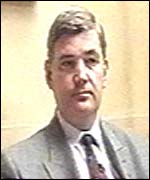
| |  Monday, 9 June, 2003, 14:20 GMT 15:20 UK Monday, 9 June, 2003, 14:20 GMT 15:20 UKCharges stifling euro business  The fees that many banks charge for payments in euros and on euro bank accounts are issues that frequently get the goat of our viewers. Martin Lawson is a good example. He needs to do business in Europe, but is tired of the cost. He runs an international booking service for apartment accomodation, apartments2book.com. The firm operates a number of residential units in Europe as well as at its headquarters in London, providing rooms for tourists and business travellers. Demand for the service is high but Martin's success has been tempered by the high cost of financial transactions. Many of Martin's customers are based in the eurozone, countries that have adopted the single currency, and hence pay him in euros. Trapped The euro-accounts that he must have to process these transactions are far from cheap.
"It costs thousands," says Martin. "We're trapped with the banks. They're not forthcoming with solutions or with straightforward explanations for what the charges actually are." Taking Martin's bank Lloyds TSB as an example, there's an account management charge of �24 a year, even if the customer doesn't use the account. For every eurocheque that's paid in there's a charge of �5, which rises to a minimum of �8 if the value of the cheque is more than �100. Depending on the transaction value this fee could rise to a maximum of �80.
And what is more, these charges are reflected in the other High Street banks. A customer paying in a eurocheque worth �100 into their euro-account is charged �5 by Natwest, �7 by RBS, and �9 by Barclays. Small businesses The Federation of Small Businesses say that these charges are really squeezing small businesses. "It is a huge problem," says David Bishop of the FSB. Martin wants Britain to join the euro so he can avoid these charges; and certainly, at the moment his competitors in the eurozone don't get hit by currency exchange costs that he suffers. But the banking industry insists that the answer isn't that simple. High banking costs There is no single European clearing system so, they argue, it costs them more to process these transactions, and this is simply passed on to the customer. Sandra Quinn from the Association of Payment Clearing Services says: "It's a problem for all banks. "There are extra costs for clearing cross border payments whether or not they're in the eurozone. "Our advice to companies who want to make cross border payments is get an automated method to do this. "Ask your bank to give you your international bank account number so the transaction can be processed with as much of an automated process as possible to minimise the cost." This is all of little comfort to Martin, of course, because customers are not always keen on paying by bank transfer, direct debit or via the internet. They are simply interested in writing out a cheque in euros and posting it as you would do with a supplier based in the UK. Unfortunately for Martin, it seems that if he is to avoid these bank charges, he has little choice but to persuade them to abandon cheque payments. | |
| |||||||||||||||||||||||||||||||||||||||||||||||||||||||||||||||||||||||||||||||||||||||||||||||||||||||||||||||||||||||||||||||||||||||||||||||||||||||||||||||||||||||||||||||||||||||||||||||||
 |  |
|  E-mail this story to a friend E-mail this story to a friend |
| |
| Links to more Working Lunch stories |
| | | ||
 | ||||
 | | Back to top
| ||
| ---------------------------------------------------------------------------------- To BBC Sport>> | To BBC Weather>> | To BBC World Service>> ---------------------------------------------------------------------------------- © MMIII | News Sources | Privacy |