|
 |
 | | | | | | ||||||||||||||||||||||||||||||||||||||||||||||||||||||||||||||||||||||||||||||||||||||||||||||||||||||||||||||||||||||||||||||||||||||||||||||||||||||||||||||||||||||||||||||||||||||||||||||||||||||||||||||||||||||||||||||||||||||||||||||||||
| | | You are in: Programmes: Working Lunch | ||||||||||||||||||||||||||||||||||||||||||||||||||||||||||||||||||||||||||||||||||||||||||||||||||||||||||||||||||||||||||||||||||||||||||||||||||||||||||||||||||||||||||||||||||||||||||||||||||||||||||||||||||||||||||||||||||||||||||||||||||||
|
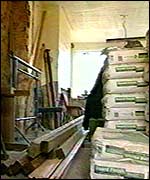
| |  Tuesday, 24 September, 2002, 15:39 GMT 16:39 UK Tuesday, 24 September, 2002, 15:39 GMT 16:39 UK Should we still buy to let?  Mark and Phil Stewardson own 55 houses in Birmingham
But in some parts of the country it's no longer such an attractive proposition. In London and the south-east, there's been a collapse in rental incomes as a glut of new properties hits the market. Properties are also over-valued and landlords are finding their untenanted periods are getting longer. Diverse economies However, in cities such as Leeds, Manchester and Newcastle things are still looking bright. The economies there are diverse and still growing and buy-to-let has not yet become a trend, but is seen as a viable alternative investment. Landlords are told that if they're realistic about the rents they charge they can expect to see a yield - that's the profit they'll make - of 7% or 8%. Brotherly success Brothers Mark and Phil Stewardson started buying houses in their native Birmingham about five years ago. They now have 55 and a couple of shops in a portfolio worth nearly �3 million. They prefer to buy down-at-heel properties and do them up, with each refurbishment costing about �12,000.
Also, they've found that having well-finished properties means they get more prospective tenants to choose from. They deal with the tenants and look after all the repairs and maintenance themselves. Rush But as they've benefited from rising prices in Birmingham, they've seen many more people joining the rush. "The market's changed a lot in the last 12 to 18 months," says Phil.
"We've recently been to see several failed buy-to-lets where people have bought property to invest in and rent out without looking at the whole picture and it's gone wrong for them." Appealing You can see why buying property as an investment is still appealing outside the overpriced south-east. With interest rates at a record low and people looking for alternatives to stocks and shares and traditional pension arrangements, bricks and mortar has a lot to offer. Coupled with that is the growing number of professional people who prefer to rent because rising prices have left them unable to afford their own homes. The Council of Mortgage Lenders reported that more than 58,000 loans, worth �5.5 billion, were taken out in the first six months of this year. The figures take the estimated total of residential investment mortgages to 233,000, worth �19.1 billion. In the preceding six months, 42,000 loans, worth �4.1 billion, were arranged. Just as property prices vary around the UK, so do rentals. Rents down The average monthly rent in Britain is �660, with a two-bedroom flat likely to cost �332 a month in Wales, �487 in Scotland and up to �1,517 in London. But with rents down for the second quarter running, competition between landlords is good news for tenants. The Royal Institution of Chartered Surveyors says it is very much a tenants' market.
In the past London landlords could expect their rental income to cover their mortgage repayments and the running costs. Now, with yields as low as 3%, the sums don't automatically add up. Obviously the smaller your mortgage, the easier it is to cover your overall costs, but many people are repaying loans of up to 85% of the property's value. The key to successful renting is to make sure there is a market. Reasonable bet While London is getting over-subscribed, booming cities or places with a growing university population could be worth checking out. Don't forget you're not buying somewhere for you to live in. Stand back and see what's most suitable for the market. Two bedroom flats are usually considered a reasonable bet as it can be cheaper for people to share. "The location is key for when we try to find somewhere," says Mark Stewardson. "We built our business on DSS tenants but now the areas we are moving into we're aiming for a more professional let." If necessary seek advice from lettings agents in the area before you take the plunge. Repairs Also, consider how you want the letting to be managed. Some agencies will charge you just for collecting the rent and leave you to sort out repairs etc. Others will do everything and deduct any costs from your rental income. Make sure you know what sort of deal you've agreed to. Traditionally, the letting market cranks up in September. Those in the industry are watching keenly to see exactly how strong it looks for the future, and where the hotspots are. | |
Internet links:  The BBC is not responsible for the content of external internet sites | ||||||||||||||||||||||||||||||||||||||||||||||||||||||||||||||||||||||||||||||||||||||||||||||||||||||||||||||||||||||||||||||||||||||||||||||||||||||||||||||||||||||||||||||||||||||||||||||||||||||||||||||||||||||||||||||||||||||||||||||||||
 | |
|  E-mail this story to a friend E-mail this story to a friend |
| |
| Links to more Working Lunch stories |
| | | ||
 | ||||
 | | Back to top
| ||
| ---------------------------------------------------------------------------------- To BBC Sport>> | To BBC Weather>> | To BBC World Service>> ---------------------------------------------------------------------------------- © MMIII | News Sources | Privacy |