|
 |
 | | | | | | ||||||||||||||||||||||||||||||||||||||||||||||||||||||||||||||||||||||||||||||||||||||||||||||||||||||||||||||||||||||||||||||||||||||||||||||||||||||||||||||||||||||||||||||||||||||||||||||||
| | | You are in: Programmes: Working Lunch | ||||||||||||||||||||||||||||||||||||||||||||||||||||||||||||||||||||||||||||||||||||||||||||||||||||||||||||||||||||||||||||||||||||||||||||||||||||||||||||||||||||||||||||||||||||||||||||||||||
|
| |  Thursday, 18 July, 2002, 14:11 GMT 15:11 UK Thursday, 18 July, 2002, 14:11 GMT 15:11 UK Covering care 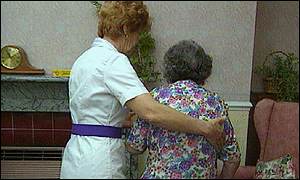 Planning the expense of a care home is complicated Paying for a care home is a worry which hangs over countless families with an elderly relative. Steve Coupe from Ascot in Berkshire has been trying to work out how he can help his 85-year-old mother, who is moving to a residential home. One option he's seriously considering is an insurance policy offering "immediate lifetime care" - something insurers also call an impaired life annuity. "It takes away the worry about how long a relative will live," explains Steve. "You know that things will be paid for ever." Life expectancy The customer pays a lump sum up front. In exchange, the insurance company agrees to pay an annual income for life - designed to cover the costs of the care home.
Because life expectancy is lower at this stage, the annuity rate can be quite high. Steve expects the costs of the home his mother prefers could be as much as �35,000 a year. The up front payments he has been quoted by different insurance companies range between �118,000 and �200,000. Bust The added attraction of the schemes is that the annual income from an annuity is usually tax-free, as long as it is used to cover care home costs. Of course, insurance companies will take their cut from the policies. If someone dies shortly after taking out a policy, the company keeps the money - there will be nothing left over to go into their estate. "My main worry is whether the fees would be paid if the insurance company goes bust," says Steve. "You need to be absolutely sure that the right decision has been made because there isn't a second chance." Contract In fact, these policies should be covered by a compensation scheme, which guarantees 90% of your money if the insurer fails - although customers will have to double check this point with their providers.
Mervyn Kohler from Help the Aged emphasises that it is also essential to run checks on the care home. He says: "You're going to be looking for a care home that you know is going to stay open, so that you know that you are going to be paying a regular fee for a regular standard of service." Financial adviser Penny O'Nions, whose Onion Group specialises in health cover, adds that there can be problems if a care home imposes price rises. "You need to make sure your policy is index-linked," she warns. "And try to sign a contract with the home to fix in advance what the increases will be." The organisations which provide or sponsor immediate life cover are Age Concern, BUPA, Norwich Union, PPP Lifetime and PAFS. | |
| ||||||||||||||||||||||||||||||||||||||||||||||||||||||||||||||||||||||||||||||||||||||||||||||||||||||||||||||||||||||||||||||||||||||||||||||||||||||||||||||||||||||||||||||||||||||||||||||||
|  |
|  E-mail this story to a friend E-mail this story to a friend |
| |
| Links to more Working Lunch stories |
| | | ||
 | ||||
 | | Back to top
| ||
| ---------------------------------------------------------------------------------- To BBC Sport>> | To BBC Weather>> | To BBC World Service>> ---------------------------------------------------------------------------------- © MMIII | News Sources | Privacy |