|
 |
 | | | | | | |||||||||||||||||||||||||||||||||||||||||||||||||||||||||||||||||||||||||||||||||||||||||||||||||||||||||||||||||||||||||||||||||||||||||||||||||||||||||||||||||||||||||||||||||||||||||||||||
| | | You are in: Programmes: Working Lunch | |||||||||||||||||||||||||||||||||||||||||||||||||||||||||||||||||||||||||||||||||||||||||||||||||||||||||||||||||||||||||||||||||||||||||||||||||||||||||||||||||||||||||||||||||||||||||||||||||
|
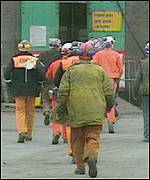
| |  Wednesday, 17 July, 2002, 10:45 GMT 11:45 UK Wednesday, 17 July, 2002, 10:45 GMT 11:45 UK The winding up of the UK coal industry 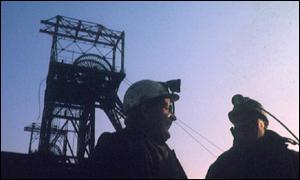 Could the sun be setting on our miners? The closure of the Selby Coal complex could prove a fatal blow to the remnants of Britain's once mighty coal industry. More than 2,000 people will lose their jobs when it shuts in just under two years' time, but the ramifications go further than that. It leaves the remaining collieries vulnerable and liable to be closed the first time they have a problem. Critical mass Experts say to run a viable coal mining operation you need 'critical mass'. The theory is that all mines will hit some kind of geological fault at some point or another. It can take months, sometimes years to rectify. A mining company needs to have enough pits to keep production going to carry along the problem pit. With two other pits due to close, UK Coal will be left with just 11 collieries. It seems inevitable that they will be picked off one by one as problems arise. No choice UK Coal argues that it has no choice. The Selby complex, which covers three mines, has lost �107 million in the last three and a half years. The firm says it's now getting �29 a tonne for its coal, compared with �38 four years ago. Coupled with that, the colliery has hit geological problems which means the firm believes it will be impossible to avoid making huge losses at the pit. UK Coal has a good track record in redeploying miners and avoiding widespread compulsory redundancies, but with the industry dwindling so fast, this time heavy job losses look inevitable. Economy These days a pit closure is no longer the devastating blow to a local economy that it once was.
Often the miners working at a colliery have travelled long distances from other former coalfields after moving on from other pits that have closed. They will get up to �27,000 in redundancy, but most would prefer to keep their jobs. They know it will be difficult to match their earnings of up to �30,000 a year. Task Force The government is planning to set up a task force to help the area and has promised �10 million in aid. But as we saw on Working Lunch earlier this year, regeneration in areas already hit by pit closures has been slow. Many projects aimed at bringing jobs back to such areas are still years from fruition. Putting more people on the dole will only add to the misery. Future Selby accounts for a quarter of UK Coal's production of around 19 million tonnes a year, closing it will rip the heart out of the industry. The company insists it has other pits in Nottinghamshire and Warwickshire with healthy long term futures. Mining unions say the closure is a bitter blow. They know that the ailing 'King Coal' may be in terminal decline. | |
Internet links:  The BBC is not responsible for the content of external internet sites | |||||||||||||||||||||||||||||||||||||||||||||||||||||||||||||||||||||||||||||||||||||||||||||||||||||||||||||||||||||||||||||||||||||||||||||||||||||||||||||||||||||||||||||||||||||||||||||||
| |
|  E-mail this story to a friend E-mail this story to a friend |
| |
| Links to more Working Lunch stories |
| | | ||
 | ||||
 | | Back to top
| ||
| ---------------------------------------------------------------------------------- To BBC Sport>> | To BBC Weather>> | To BBC World Service>> ---------------------------------------------------------------------------------- © MMIII | News Sources | Privacy |