|
 |
 | | | | | | ||||||||||||||||||||||||||||||||||||||||||||||||||||||||||||||||||||||||||||||||||||||||||||||||||||||||||||||||||||||||||||||||||||||||||||||||||||||||||||||||||||||||||||||||||||||||||||||||||
| | | You are in: Programmes: Working Lunch | ||||||||||||||||||||||||||||||||||||||||||||||||||||||||||||||||||||||||||||||||||||||||||||||||||||||||||||||||||||||||||||||||||||||||||||||||||||||||||||||||||||||||||||||||||||||||||||||||||||
|
| |  Thursday, 6 June, 2002, 16:02 GMT 17:02 UK Thursday, 6 June, 2002, 16:02 GMT 17:02 UK Housing boom squeezes rural towns 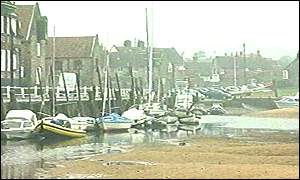 Blakeney has earned the nickname Chelsea-on-sea The boom in property prices may have left many people better off, but it has also created plenty of losers. Among them are essential workers such as fire-fighters and nurses, who find their wages aren't enough to get them on the housing ladder near their jobs. But for some the dilemma is even worse - they face being squeezed out of their own communities. Rural ruin In some - mainly rural - areas, high prices have been exacerbated by the influx of people looking for second homes.
The problem is worst in tourist areas such as Exmoor, the Lake District and Wales. Now North Norfolk has joined that list. Chelsea-on-sea The beaches, peaceful countryside and attractive flint cottages have earned it the nickname of Chelsea-on-Sea. Londoners have led the charge to acquire properties in the area, helping prices to rise by up to 20% in 2001. Not so long ago a two bedroom cottage in the village of Blakeney would have fetched �80,000 - now it's more like �160,000. "There is tremendous pressure and competition for every property that comes up for sale," says Anthony Burn of Watsons estate agents. Second homes According to recent figures, of nearly 600 homes in the village, more than one-third are second homes. But Blakeney and the surrounding area is in a better position than most thanks to a remarkable piece of foresight.
It currently owns 38 homes and manages another four. All are available only to locals. Local interests "They're are all people with long-standing connections. It's a primary requirement for the tenancy," says the society's chairman, Richard Kelham. It has built up its portfolio through a combination of purchases and gifts. The rental income covers the maintenance of the properties, and fund-raising is also done locally. Ray Rudd has lived in three cottages in the same courtyard in Blakeney, all rented from the society. His daughter lives next door in one of his old properties. Ring fencing "This is a low income area and lots of young people have to leave anyway," says Ray. "I feel the society has helped tremendously in keeping the village together." While Blakeney's solution is well-established, other communities are examining ways of protecting their future existence.
A similar scheme has been set up in the nearby market town of Holt. Further afield, Exmoor in Devon has strengthened its planning regulations in an attempt to stop incomers building new homes. Banned Wales has long had problems with holiday home owners, initially patriotic but now economic. The Snowdonia and Pembrokeshire National Parks have banned the building of new homes to protect local language and culture. The Lake District is also starting to feel the pinch and is now trying to identify affected areas so that new council homes are built in the right places. Tax protection For many areas, their biggest hope of solving the housing conundrum could lie with the council tax. At present, second home owners get a 50% discount on the tax.
In the past the government has said it would allow councils to charge more. Nothing has so far happened but there is fresh momentum for a change. One hope is that councils could charge the full rate for second homes and pledge to use the money to help solve local housing problems. Past opportunity The people of Blakeney have plenty of reasons to be grateful to the local woman who set up their housing society so long ago. Richard Kelham says it would be impossible to do the same today. "Places are just totally unaffordable now on the open market," he says. But while few communities could hope to match Blakeney's portfolio of homes, many are now realising that steps must be taken to keep housing affordable and available for those who live, and have always lived, in the local area. | |
| ||||||||||||||||||||||||||||||||||||||||||||||||||||||||||||||||||||||||||||||||||||||||||||||||||||||||||||||||||||||||||||||||||||||||||||||||||||||||||||||||||||||||||||||||||||||||||||||||||
|  |
|  E-mail this story to a friend E-mail this story to a friend |
| |
| Links to more Working Lunch stories |
| | | ||
 | ||||
 | | Back to top
| ||
| ---------------------------------------------------------------------------------- To BBC Sport>> | To BBC Weather>> | To BBC World Service>> ---------------------------------------------------------------------------------- © MMIII | News Sources | Privacy |