|
 |
 | | | | | | |||||||||||||||||||||||||||||||||||||||||||||||||||||||||||||||||||||||||||||||||||||||||||||||||||||||||||||||||||||||||||||||||||||||||||||||
| | | You are in: Programmes: The State We're In | |||||||||||||||||||||||||||||||||||||||||||||||||||||||||||||||||||||||||||||||||||||||||||||||||||||||||||||||||||||||||||||||||||||||||||||||||
|
| |  Tuesday, 6 May, 2003, 14:09 GMT 15:09 UK Tuesday, 6 May, 2003, 14:09 GMT 15:09 UKWaste not - want not  A rubbish dump - this is where people are meant to come to dump the rubbish created by their wasteful lives. Unfortunately because most people live near a lay-by, a back alley or an area of extreme natural beauty, people tend to dump it there instead. The facts speak for themselves. Nevertheless, we will speak them... In Britain we recycle only 12% of rubbish compared with 64% in Austria and the cost of disposing of rubbish is �22 million a year. So who's got the answer?
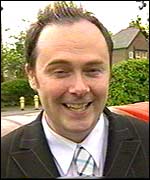
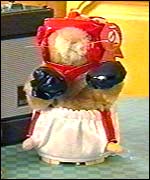
He recommends putting litter in a bin, which is not exactly rocket science. He also says that rocket science might also be a cause of pollution. But it's not just the foul stench and eyesore nature of rubbish, modern waste is also increasingly toxic and carcinogenic. We are quite literally being sick on our own doorsteps. Inside every house is a chocolate box selection of dangerous domestic waste. Robin, for example, owns a novelty electric rodent.
He said that the toxic nickel and cadmium in the batteries could get into the groundwater if the lovable toy was thrown away. Not that Robin ever would. He loves that hamster. An everyday sofa is also full of danger as it may contain phthalates, chemicals used to soften plastic. There is some evidence to suggest that they could cause liver and kidney damage, and might even turn lads into lasses. They are also used in nail varnish, PVC and lipstick, so people's addiction to eating, furniture and drag-based sadomasochistic sex games is damaging ourselves and our environment. What is the solution? Solution 1: Robot Wars
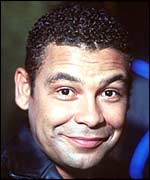
The downside is that you will have to meet Craig Charles. Robin asked a scientist if he'd help him build the best robot ever. He said no. Solution 2: The War Years Decrease food waste by pretending it's World War Two.
It's disgusting, but could be given to old people. If you do meals on wheels, they'll enjoy its nostalgia Solution 3: Cataloguing
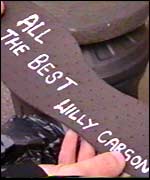
Once you're bored with your own waste, why not start looking at other peoples. It can help you get to know your neighbours better and things in celebrities bins can make you money such as bank statements and sketches of Salisbury Cathedral by Rageh Omaar. Less money can be made from old toilet rolls, yoghurt pots and odour-eater insoles - unless they are signed. Solution 4: Charles Saatchi
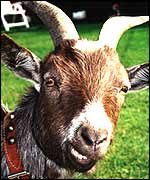
Who knows, maybe a car park in Stanmore could win the Turner Prize? Solution 5: A Goat
You'll need about 16.5 hamsters to make up for the lack of one goat. So there you go. The answer is staring us in our greedy consumer faces. If we all cut down on lipstick, batteries and eating the problems of excessive waste would be a thing of the past. | |
Internet links:  The BBC is not responsible for the content of external internet sites | |||||||||||||||||||||||||||||||||||||||||||||||||||||||||||||||||||||||||||||||||||||||||||||||||||||||||||||||||||||||||||||||||||||||||||||||
 | |
|  E-mail this story to a friend E-mail this story to a friend |
| |
| Links to more The State We're In stories |
| | | ||
 | ||||
 | | Back to top
| ||
| ---------------------------------------------------------------------------------- To BBC Sport>> | To BBC Weather>> | To BBC World Service>> ---------------------------------------------------------------------------------- © MMIII | News Sources | Privacy |