|
 |
 | | | | | | ||||||||||||||||||||||||||||||||||||||||||||||||||||||||||||||||||||||||||||||||||||||||||||||||||||||||||||||||||||||||||||||||||||||||||||||||||||||||||||||||||||||||||||||||||||||||
| | | You are in: Programmes: Panorama | ||||||||||||||||||||||||||||||||||||||||||||||||||||||||||||||||||||||||||||||||||||||||||||||||||||||||||||||||||||||||||||||||||||||||||||||||||||||||||||||||||||||||||||||||||||||||||
|
| |  Patient care 'compromised by NHS targets'  Some staff claim waiting figures are being altered NHS staff have told the BBC that some patients are suffering as a direct result of government-set waiting time targets. Because targets do not always distinguish between serious clinical cases and patients who have simply waited longest, health workers say standards are falling in some areas not covered by targets. Staff are under pressure to meet targets because hospitals that fail face being officially "down-graded" and missing out on extra funding, despite whether dealing with clinical priorities meant less medically critical targets could not be met. NHS managers also told the BBC's Panorama programme they risk being sacked if they fail to meet targets, whatever the reason. Waiting time scams
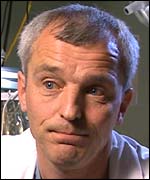
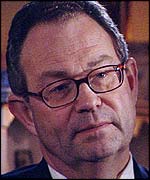
James Strachan, chairman of NHS watchdog the Audit Commission, is also worried that waiting time targets put staff under intense pressure to deliver. He says: "The real cause for concern is the fact that the pressure to meet these targets is causing some NHS managers to 'game' the system. "It may not actually be fiddling, but it's actually pushing the system to the limit." One paramedic, who asked to remain anonymous, described how some patients arriving by ambulance at the John Radcliffe Hospital in Oxford last year weren't officially admitted, sometimes for hours, to avoid failing A&E waiting time targets. He says: "We'd have to wait in what they called the 'ambulance waiting area' - which was a corridor - because they said they didn't have space and didn't have nurses. "The patient wouldn't be booked into the hospital and so officially hadn't started waiting." An Oxford Radcliffe Hospitals NHS Trust spokeswoman acknowledged there had been problems with A&E admissions last year but said this was because of "bed blockers" elsewhere in the hospital. She said: "Oxfordshire Ambulance Trust agreed that, on a temporary basis, paramedics could look after patients in a waiting area in the emergency department until they could be handed over to the care of the hospital." She added that a number of new measures had been introduced, including a new trauma unit and a redesigned emergency department, to improve patient care. Falling standards Keith Willett is a trauma surgeon for the John Radcliffe Hospital in Oxford who specialises in pelvic injuries. For patients to have the best chance of making a full recovery he must operate within 10 days of their accident, before fractured bones begin to heal. Before the introduction of the waiting time target two years ago, 80% of Mr Willett's patients were operated on within that safe window, but now he claims that "patients are being compromised because of blunt targets". He says: "Standards have been reversed. A third of the patients referred to us never actually get here, they end up not getting the operation.
Operations which used to take three or four hours are now taking up to eight hours to carry out because the surgery is more complicated. "We may have to do two operations rather than one...to unpick healing fractures and try to move fragments, sometimes we can, sometimes we can't and frequently we end up having to compromise what we can do and accept a lesser outcome for the patient." When asked if there are patients who could have made a full recovery rather than a partial one, Mr Willets replied: "You mean are there patients hobbling around now who would have walked? Yes." Patient list 'altered' Professor John Wass, an expert in endocrinology at the Oxford Radcliffe Trust, claims his waiting list was altered by managers without his knowledge or consent, so hospitals can meet waiting time targets for outpatient appointments.
"A few days ago we found our clinic had been altered without any consultation...they put new patients into the follow-up slots. "These are patients who are being followed up for pituitary tumours and we want to see if they are recurring, so they can't easily be delayed and shouldn't be delayed at all." Oxford Radcliffe NHS Trust Chief Executive Mike Williams said: "There will always be a tension in the NHS between priorities. "Government targets designed to speed up access to care are not just hypothetical performance measures, but are based on what patients say they want to see in the NHS. "At the same time, we want to ensure that patients in urgent clinical need are given priority. These pressures can be difficult to manage but are not necessarily incompatible." Staff in other hospitals around the UK also made similar claims, but insisted the programme did not reveal their identities. But a Department of Health (DoH) spokesman defended the targets saying that they are improving performance "across the board". The DoH also denied claims that clinically urgent cases were suffering because of the need to meet targets. The spokesman said: "A large proportion of our targets, such as those for cancer or heart disease, are clinical. "Performance is improving not because people are manipulating statistics, but because the NHS is finally getting the investment it needs, coupled to real reform of how it works."
| |
Internet links:  The BBC is not responsible for the content of external internet sites Top Panorama stories now:  Links to more Panorama stories are at the foot of the page. | ||||||||||||||||||||||||||||||||||||||||||||||||||||||||||||||||||||||||||||||||||||||||||||||||||||||||||||||||||||||||||||||||||||||||||||||||||||||||||||||||||||||||||||||||||||||||
 | |
|  E-mail this story to a friend E-mail this story to a friend |
| | | ||
 | ||||
 | | Back to top
| ||
| ---------------------------------------------------------------------------------- To BBC Sport>> | To BBC Weather>> | To BBC World Service>> ---------------------------------------------------------------------------------- © MMIII | News Sources | Privacy |




 Frequently, we end up having to compromise what we can do and accept a lesser outcome for the patient