|
 |
 | | | | | | ||||||||||||||||||||||||||||||||||||||||||||||||||||||||||||||||||||||||||||||||||||||||||||||||||||||||||||||||||||||||||||||||||||||
| | | You are in: Programmes: Newsnight: Review | ||||||||||||||||||||||||||||||||||||||||||||||||||||||||||||||||||||||||||||||||||||||||||||||||||||||||||||||||||||||||||||||||||||||||
|
| | Tuesday, 10 September, 2002, 15:29 GMT 16:29 UK Koba the Dread
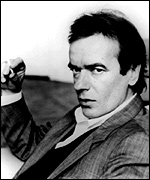
"Koba the Dread" is a new book by Martin Amis. The novelist turns political historian in a new book about Stalin. (Edited highlights of the panel's review) MARK LAWSON: ROSIE BOYCOTT: At the same time I was rampaging and complaining about the Vietnam War and why we as people on the left were so misinformed and wanted so much to turn our backs on what was going on. Even though you kind of brushed Stalin a bit to one side, you didn't investigate it. It's fantastic that Martin has taken this on. I would have liked more personal stuff at either end of the book. H e has unashamedly trawled through as he describes yards of books on Russian history. The fact that historians have gone at him is unfair because at no point does he pretend this is original source material. It was fantastic. I could have read a lot more about it. MARK LAWSON: Amazing looking at some of the newspapers of left-wingers writing in angry about him making that accusation. Does he make that central case? EKOW ESHUN: What his real case is about, it isn't about whether Hitler or Stalin was more evil, but actually how precious, how much can you weigh a single life or 20 million lives? How can you weigh 20 million individual lives? For me, the most telling part of the book is the final passage, where he writes a letter to Kingsley Amis and he writes about the death of his father. He also writes about the death of his sister. There we have what in a way should be an unequal balancing act. We have the whole of the book against the final few pages, where he tries to find some meaning, some weight in the loss of two people who meant something to him. While in the whole rest of the book he has accounted for, tried to understand, how 20 million people could die. For me, the book becomes very, very sad and elegiac in the last sections. It becomes something far more than who was worse or more evil. It becomes how can we treasure life and hold on to something even with the inevitability of it passing? MARK LAWSON: MARK KERMODE: I was a revolutionary communist affiliate in the 80s and none of us had any respect for Stalin. I felt the whole of the third section seemed to be from another book and was the book that he wanted to write. The second section, what that did was make me want to read the book from other sources. I felt in order to deal with that reign of terror in a way that makes sense, you have to do it in a sober way. His turns of phrase, "Stalin's need to inundate society...", "the nausea and grief" and so on. This is rubbish! This is overwritten, hysterical. It does exactly what it doesn't intend to do. It tends to make you think halfway through, "I can't be doing with this". This is an argument amongst people who don't know enough about the subject matter and are too full of their own personal histories to deal with it effectively. MARK LAWSON: ROSIE BOYCOTT: EKOW ESHUN: Consequently, he gives you his take on it. He manages to tease out all the absurdities and ironies. There is one point where Stalin turns up at the Bolshoi. The crowd spontaneously breaks into applause. The applause keeps going because everyone is scared to finish applauding. MARK KERMODE: EKOW ESHUN: MARK KERMODE: You can't say all historians think anything. How dare somebody be able to say that. ROSIE BOYCOTT: It's a very brave book, and I would tell everybody to go out and read it. | | |||||||||||||||||||||||||||||||||||||||||||||||||||||||||||||||||||||||||||||||||||||||||||||||||||||||||||||||||||||||||||||||||||||||
|  |
|  E-mail this story to a friend E-mail this story to a friend |
| |
| Links to more Review stories |
| | | ||
 | ||||
 | | Back to top
| ||
| ---------------------------------------------------------------------------------- To BBC Sport>> | To BBC Weather>> | To BBC World Service>> ---------------------------------------------------------------------------------- © MMIII | News Sources | Privacy |