|
 |
 | | | | | | ||||||||||||||||||||||||||||||||||||||||||||||||||||||||||||||||||||||||||||||||||||||||||||||||||||||||||||||||||||||||||||||||||||||||||||||||||||||||||||||||||||||||||||||||||||||||||||||||||||
| | | You are in: Programmes: Newsnight: Review | ||||||||||||||||||||||||||||||||||||||||||||||||||||||||||||||||||||||||||||||||||||||||||||||||||||||||||||||||||||||||||||||||||||||||||||||||||||||||||||||||||||||||||||||||||||||||||||||||||||||
|
| |
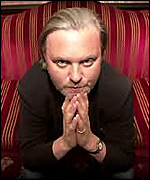
Norwegian playwright, Jon Fosse, brings his latest play to the Edinburgh International Festival - "The Girl on the Sofa". It's themes include burgeoning sexuality, adultery and betrayal. (Edited highlights of the panel's review) KIRSTY WARK: IAN RANKIN: But the problem with showing the banality of every day life is that it can seem banal when you are watching it. I kept thinking of what Arthur Miller had done with similar material, flashbacks and family crises, none of it that was here, none of the highs and lows or twists you would expect that would jar your senses, it was just flat lining. BONNIE GREER: He's able to put on stage something I've never seen before, which is different levels of consciousness actually interacting with one another. We are used to in Anglo American theatre, I mean Irish, Scottish and Welsh as well, action on the stage, resolution, this kind of straight narrative. This man puts on stage what European play-wrighting is really about. It explores consciousness on different levels. He puts on the stage the child, the woman, looking at herself. He puts the woman thinking about herself as a child, the child thinking about herself as a victim. KIRSTY WARK: BONNIE GREER: The situation is trite because he puts a woman on stage who is a boring individual, but the concept of the play and its technique is absolutely stunning. SIMON ARMITAGE: The terrible crime of this play is that it didn't sound a bit like a conversation that might be going on in a sailor's house, but like a conversation going on in a playwright's house. The theme, I can't paint because I had a messed up childhood, so go and work in a shoe shop, deal with it. BONNIE GREER: We don't remember in big swathes like that, we remember things that go back and forth as we are trying to make something make sense. He has the courage to put that on the stage. SIMON ARMITAGE: BONNIE GREER: IAN RANKIN: BONNIE GREER: IAN RANKIN: BONNIE GREER: IAN RANKIN: BONNIE GREER: KIRSTY WARK: BONNIE GREER: KIRSTY WARK: BONNIE GREER: Unfortunately, if we are going to reflect life, which is what Shakespeare said the theatre should do, you have to reflect life on all levels, it is not a great series of incidents where we are trying to make sense out of things. He has codified this and made it exist on a stage. I think he's a genius frankly. | |
See also:  05 Apr 02 | Panel | ||||||||||||||||||||||||||||||||||||||||||||||||||||||||||||||||||||||||||||||||||||||||||||||||||||||||||||||||||||||||||||||||||||||||||||||||||||||||||||||||||||||||||||||||||||||||||||||||||||
| |
|  E-mail this story to a friend E-mail this story to a friend |
| |
| Links to more Review stories |
| | | ||
 | ||||
 | | Back to top
| ||
| ---------------------------------------------------------------------------------- To BBC Sport>> | To BBC Weather>> | To BBC World Service>> ---------------------------------------------------------------------------------- © MMIII | News Sources | Privacy |