|
 |
 | | | | | | ||||||||||||||||||||||||||||||||||||||||||||||||||||||||||||||||||||||||||||||||||||||||||||||||||||||||||||||||||||||||||||||||||||||||||||||||||||||||||||||||||||||||||||||||||||||||||||||||||||
| | | You are in: Programmes: Newsnight: Review | ||||||||||||||||||||||||||||||||||||||||||||||||||||||||||||||||||||||||||||||||||||||||||||||||||||||||||||||||||||||||||||||||||||||||||||||||||||||||||||||||||||||||||||||||||||||||||||||||||||||
|
| |
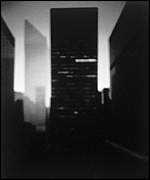
Renowned Japanese Photographer Hiroshi Sugimoto gives the first major solo showcase of his work in the UK. His photos have been described as 'blurry', 'odd', 'morbid', and 'some of the most mesmerising images ever made'. (Edited highlights of the panel's review) KIRSTY WARK: BONNIE GREER: You have something in your mind that is absolutely perfect. It is the way art is supposed to be; your relationship to the piece itself. You have to stand back and actually take in this piece of work, or step up closer and take it in. As a result, you are altered. I was moved by a piece called the Church of Light. Just at the moment he captures what I felt is what this architect must have felt inside himself, when he was creating this. It is a landscape of the imagination and you have to move yourself in relation to it to get all of it. KIRSTY WARK: The modernist buildings lend themselves to this because they are very clear lines that he pushed back. SIMON ARMITAGE: They were blurred and they remained blurred. Another ideological thrust behind the exhibition was timelessness, but it seemed to me that these buildings, which were very much in the picture, are completely marked by their time. We know from what we have been talking about that the landscape and the horizon of Manhattan is a very temporary thing, yet these things were being presented as being timeless. I couldn't understand the conceit there at all. IAN RANKIN: Paintings are more forgiving on that level, you don't mind it being blurry. I had trouble with those, and the fact they are displayed behind glass means all you can see is the fire extinguisher behind you. KIRSTY WARK: BONNIE GREER: KIRSTY WARK: BONNIE GREER: SIMON ARMITAGE: BONNIE GREER: | |
See also:  05 Apr 02 | Panel | ||||||||||||||||||||||||||||||||||||||||||||||||||||||||||||||||||||||||||||||||||||||||||||||||||||||||||||||||||||||||||||||||||||||||||||||||||||||||||||||||||||||||||||||||||||||||||||||||||||
| |
|  E-mail this story to a friend E-mail this story to a friend |
| |
| Links to more Review stories |
| | | ||
 | ||||
 | | Back to top
| ||
| ---------------------------------------------------------------------------------- To BBC Sport>> | To BBC Weather>> | To BBC World Service>> ---------------------------------------------------------------------------------- © MMIII | News Sources | Privacy |