|
 |
 | | | | | | ||||||||||||||||||||||||||||||||||||||||||||||||||||||||||||||||||||||||||||||||||||||||||||||||||||||||||||||||||||||||||||||||||||||||||||||||||||||||||||||||||||||||||||||||||||||||||||||||||||
| | | You are in: Programmes: Newsnight: Review | ||||||||||||||||||||||||||||||||||||||||||||||||||||||||||||||||||||||||||||||||||||||||||||||||||||||||||||||||||||||||||||||||||||||||||||||||||||||||||||||||||||||||||||||||||||||||||||||||||||||
|
| |
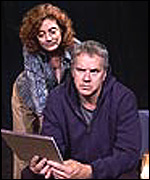
Tim Robbins & Susan Sarandon star in "The Guys", a play based on the real life experiences of journalist Anne Nelson, who helped a New York fire chief compose eulogies for men who died when the Twin Towers collapsed. (Edited highlights of the panel's review) KIRSTY WARK: IAN RANKIN: I felt that, in something President Bush himself might say, it was a proportionate response to the events of that day. In Edinburgh, we have a whole range of things. We have the po-faced and reverential where you feel like you are in church. We also have satire, which has been taken quite badly on the other side of the Pond. It wasn't moving but it was good, and it made you think about these firemen and the way America had built them up to be heroes because at that moment the media and the public needed heroes. This play actually says, "Yes, but there are people behind that kind of image". KIRSTY WARK: BONNIE GREER: If I had seen this piece then, I would have felt a lot more different than I did the other night when I saw it. If you think to yourself and ask yourself the question, what is the mindset of America in relation to Iraq, how could they contemplate hitting Iraq, go see this play, because it will tell you. It shows really what the majority of my fellow country people are about really, is that we tend to be very insular people, a people who don't see the world outside of the United States. At the end of this piece, the most shocking bit was when the playwright says, "I really wish it didn't happen. I really wished everybody went home at the end." It leaves the rest of the world in a huge, huge void. I have a lot of respect for Sarandon and Robbins. They are great artists and activists, but this kind of piece is the sort of thing that I just was absolutely appalled by on many levels. KIRSTY WARK: BONNIE GREER: Yes, there were these seven firemen. Their death was very important. But it was a whole panorama that this involves. How can we even begin to deal with September 11th at this point? It's too close. SIMON ARMITAGE: It was modest and low-key. To begin with, it had the hallmarks of an ugly little event, two Hollywood big-shots airlifting themselves in for a guaranteed audience. I could feel myself preparing for the nauseating moment when they walked on stage and everybody applauded spontaneously. But I think they did it really well and they proved themselves to be great actors and entertainers. It was funny. KIRSTY WARK: IAN RANKIN: BONNIE GREER: It's very important for Americans to put this whole incident in the whole context of the world itself. It's a very small, parochial piece. It's badly written as well. That was the part that got me. It's very tritely written. KIRSTY WARK: SIMON ARMITAGE: There was a line about people jumping tracks, and that's how we always respond to things, at the local level. I thought in that sense, it was very well done. The point about the artistic community was very well made. Here were firemen, this great utilitarian, functional role. There was nothing they could do apart from grieve and mourn. The writers, who are usually the impotent people in this situation, actually had a role to play. KIRSTY WARK: IAN RANKIN: You were sitting watching 30 feet away, watching these two great iconic stars, and it was difficult to imagine that they weren't. You were saying, "how big Tim Robbins is in real life and Susan Sarandon's hair looks nice." It was hard to imagine the parts they were playing. BONNIE GREER: | |
See also:  05 Apr 02 | Panel | ||||||||||||||||||||||||||||||||||||||||||||||||||||||||||||||||||||||||||||||||||||||||||||||||||||||||||||||||||||||||||||||||||||||||||||||||||||||||||||||||||||||||||||||||||||||||||||||||||||
| |
|  E-mail this story to a friend E-mail this story to a friend |
| |
| Links to more Review stories |
| | | ||
 | ||||
 | | Back to top
| ||
| ---------------------------------------------------------------------------------- To BBC Sport>> | To BBC Weather>> | To BBC World Service>> ---------------------------------------------------------------------------------- © MMIII | News Sources | Privacy |