|
 |
 | | | | | | ||||||||||||||||||||||||||||||||||||||||||||||||||||||||||||||||||||||||||||||||||||||||||||||||||||||||||||||||||||||||||||||||||||||||||||||||||||||||||||||||||||||||||||||||||||||||||||||||||||
| | | You are in: Programmes: Newsnight: Review | ||||||||||||||||||||||||||||||||||||||||||||||||||||||||||||||||||||||||||||||||||||||||||||||||||||||||||||||||||||||||||||||||||||||||||||||||||||||||||||||||||||||||||||||||||||||||||||||||||||||
|
| | Tuesday, 6 August, 2002, 14:21 GMT 15:21 UK Roscoe
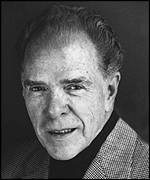
Our critics discuss Pulitzer prize winner William Kennedy's latest book "Roscoe" It's the seventh book in his Albany Cycle. (Edited highlights of the panel's review) KIRSTY WARK: AKARIM JIVANI: I must say, I had always resisted his work. I found that kind of American novel about the sensitive, unspoken love between men in friendships quite difficult, and very easy to resist. I was hooked from the first sentence onwards. It's a brilliant sentence in modern fiction, not as good as the Anthony Burgess one, Earthly Powers, which starts off something like, "It was the afternoon of my 81st birthday, and I was in bed with my Catamite." But listen to this. "That year an ill wind blew over the city, and threatened to destroy flowerpots, family fortunes, reputations, and true love�" It's a great sentence, and it gets better and better. He plays these wonderful word games. So we will have something like the next sentence is a lie, the preceding sentence is true. It's like Lewis Carroll, he actually uses two words, "beamish" and "slithy", which are nonsense words that Lewis Carroll created, and uses them as though like idiomatic speech. It's a beautifully written book, and not derivative of anyone. KIRSTY WARK: AKARIM JIVANI: KIRSTY WARK: ROSIE BOYCOTT: When I got to those points I sighed with relief, because I thought, "I am in territory that I understand." Then you move off into these legions of people who all seem to have weird and strange jobs. You got a wonderful sense of this small-time corruption, and everybody being able to buy anybody, run anything, do anything, have cockfights, do all these illegal things. But I was glazing at certain points. I found it quite hard work to get through. It's not a book that I would necessarily recommend to someone to say, "You're going to have a really good read with this", because there are just too many parts where I felt a bit lost. KIRSTY WARK: PAUL MORLEY: Every character that comes along, he very swiftly and very brilliantly, but ultimately quite exhaustingly, gives you a biography of who they are, where they've come from, what they've done. There's so many names that it becomes biblical. You think, "Where am I, what's going on?" It's interesting, compared to the Pedro Almodovar film we've just seen, the way Pedro dealt with time so beautifully. In here it becomes a little bit of a mush. I did feel it was Raymond Chandler, but given the licence of how you can write about certain things with a late 20th century, early 21st century sensibility, so it could be more pornographic and explicit. Ultimately, what was happening for me is that everything was drifting off behind me as I went through it. It was so hard to keep hold of everything that it was dissolving behind me. At the end, I thought there was such effort to set this up, that in the end I don't get a great sense of liberation and meaning about what this book is about, other than the obvious, that behind the scenes of the political world, it's really corrupt, and we are only meant to see it without the spin. KIRSTY WARK: ROSIE BOYCOTT: AKARIM JIVANI: It goes, "Thee...Thou...and then her jacket slid off". You think, "Huh?" Coming back to Paul's point, you don't have to retain it all. It's a very dense novel, and I found it incredibly rich, and I didn't feel I had to hold on to everything all the time. | |
See also:  05 Apr 02 | Panel Top Review stories now: Links to more Review stories are at the foot of the page. | ||||||||||||||||||||||||||||||||||||||||||||||||||||||||||||||||||||||||||||||||||||||||||||||||||||||||||||||||||||||||||||||||||||||||||||||||||||||||||||||||||||||||||||||||||||||||||||||||||||
| |
|  E-mail this story to a friend E-mail this story to a friend |
| |
| Links to more Review stories |
| | | ||
 | ||||
 | | Back to top
| ||
| ---------------------------------------------------------------------------------- To BBC Sport>> | To BBC Weather>> | To BBC World Service>> ---------------------------------------------------------------------------------- © MMIII | News Sources | Privacy |