|
 |
 | | | | | | ||||||||||||||||||||||||||||||||||||||||||||||||||||||||||||||||||||||||||||||||||||||||||||||||||||||||||||||||||||||||||||||||||||||||||||||||||||||||||||||||||||||||||||||||||||||||||||||||||||
| | | You are in: Programmes: Newsnight: Review | ||||||||||||||||||||||||||||||||||||||||||||||||||||||||||||||||||||||||||||||||||||||||||||||||||||||||||||||||||||||||||||||||||||||||||||||||||||||||||||||||||||||||||||||||||||||||||||||||||||||
|
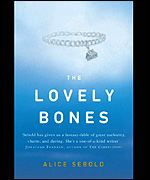
| | Monday, 29 July, 2002, 16:37 GMT 17:37 UK The Lovely Bones by Alice Sebold
A murdered schoolgirl's views from heaven. A debut novel by Alice Sebold that's topped the US best-seller lists. (Edited highlights of the panel's review) MARK LAWSON: NATASHA WALTER: All that force and explosive energy was utterly dissipated, because the whole device of having this dead girl narrate actually made the book so much more bland and cosier than I expected because she is only 14 and she stays at that level, and she loves everybody that she's left behind on earth. It's surrounded by this kind of rosy haze. At first you think, yes, Sebold is really going to confront the reality of loss and death, but she doesn't at all. What she does is provide these incredible consolations, which is that when somebody has died, they can still be around, they can still pop into their memorial service and check out what people are wearing. Even though this girl's only sexual experience was being raped when she died, in fact she can return and lose her virginity beautifully with this guy who loved and was faithful to her memory forever. So it turns into this incredibly candy-floss read, very, very sugary which is something you don't expect to say when you open the book and first start reading it. MARK LAWSON: PAUL MORLEY: I mean, after the now legendary opening line, which suggests we are having literature, we are quickly into a Jonathan Livingstone Seagull book about recovery, and within that, you know, the instant kind of feeling there is a heaven, everything's going to be OK. However bad your death is, however revolting it is, you will go to this heaven and everything will be fantastic, everything ends lovely. The last line of the book, in that sense, is just unbelievable. It was kind of like a Christmas card to the reader, I couldn't believe it. After the series of false endings, because she had no idea how to end it, she suddenly just wishes us all well for the rest of our lives. I am faintly troubled by the book, as if it had come out of some peculiar church in the middle of America, with some kind of propaganda kind of thing that had been twisted as if there was a little hint of literature. I found the book very disquieting. MARK LAWSON: IAN RANKIN: In fact, she doesn't deal with her feelings about him at all and he gets a fairly light read all the way through until the end, when, as Paul says, she has trouble ending it and one of the endings involves him. But I liked the book better than I thought I would. I mean, it opens in a strange way and then when she goes to heaven, the first person she meets is an intake counsellor, at which point I thought, "Dear God, I'm going to hate this." I thought it got better as it went on. It did drift off towards the end, but I thought her take on the American family was good. I thought the way they dealt with this tragedy was interesting and it felt to me quite realistic. She had a good way of turning suburban American life into something kind of strange and exotic and alien in a way that I hadn't really seen since Jane Ann Phillips. So there are a lot of good things about it and it is her first novel. One of the problems I've got is where does she go from there because if she has been lorded in America as having written this great novel that's sold hundreds of thousands, this is often the death knell for young American writers. MARK LAWSON: NATASHA WALTER: She always wants to smooth it out so much, which a better writer I don't think would do. I mean, when the mother moves away from the family, she moves away right across the country and comes back when the father is having a heart attack. The son won't speak to her any more. You just get this wonderful kind of family reunion when they are all sitting around, saying, "Yes, yes, I love you dearly still," and the dead girl is looking in. There is a strange way in which she wants to kind of wrap everything up all the time, didn't you feel, which is the sign of a weaker writer. IAN RANKIN: PAUL MORLEY: IAN RANKIN: PAUL MORLEY: MARK LAWSON: PAUL MORLEY: IAN RANKIN: MARK LAWSON: IAN RANKIN: NATASHA WALTER: PAUL MORLEY: IAN RANKIN: MARK LAWSON: | |
See also:  05 Apr 02 | Panel Top Review stories now: Links to more Review stories are at the foot of the page. | ||||||||||||||||||||||||||||||||||||||||||||||||||||||||||||||||||||||||||||||||||||||||||||||||||||||||||||||||||||||||||||||||||||||||||||||||||||||||||||||||||||||||||||||||||||||||||||||||||||
| |
|  E-mail this story to a friend E-mail this story to a friend |
| |
| Links to more Review stories |
| | | ||
 | ||||
 | | Back to top
| ||
| ---------------------------------------------------------------------------------- To BBC Sport>> | To BBC Weather>> | To BBC World Service>> ---------------------------------------------------------------------------------- © MMIII | News Sources | Privacy |