|
 |
 | | | | | | ||||||||||||||||||||||||||||||||||||||||||||||||||||||||||||||||||||||||||||||||||||||||||||||||||||||||||||||||||||||||||||||||||||||||||||||||||||||||||||||||||||||||||||||||||||||||||||||||||||
| | | You are in: Programmes: Newsnight: Review | ||||||||||||||||||||||||||||||||||||||||||||||||||||||||||||||||||||||||||||||||||||||||||||||||||||||||||||||||||||||||||||||||||||||||||||||||||||||||||||||||||||||||||||||||||||||||||||||||||||||
|
| | Tuesday, 2 July, 2002, 14:54 GMT 15:54 UK Twelve
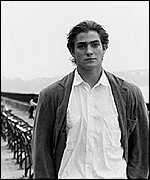
Twelve - debut fiction from 18 year old American Nick McDonell about sex, drugs and violence. (Edited highlights of the panel's review) MARK LAWSON: TOM PAULIN: It has wonderful references to Hemingway in it, who is batted to one side, and to Moby Dick. You feel that this young man, great talent, he's hopefully going to write a great American epic novel. Beautifully observed, the language, the slang they use, they're not over-egged. This White Mike character builds and builds in it. Again, we're back to the great white whale. Not so good in the jail scene. At times, reminiscent of the Eastwood movie, The Unforgiven, that manifest destiny quality with a sense of the corruption, and brilliant moments like the doormen in these wealthy apartments looking like minor Soviet politicians. And then the accurate vision of the way the rich move into cars and limos. These corrupt, spoilt rich brats. Very, very powerfully observed, but my worry is that this young man is now being fed to the piranhas. There's a piranha tank in one apartment. He should turn his back on all the hype, go off to a shanty town for two years, and not engage in it. MARK LAWSON: GERMAINE GREER: TOM PAULIN: GERMAINE GREER: It strangely veers between innocence and awkwardness with the world, because they are kids, they're teenagers, and incredible sophistication. And all the time there's the adumbrated absent parent, who is actually a father. They're all somehow looking for this father who will make everything OK. And the book is dedicated to McDonell's father, which I think is telling us something else. He's a bit moralistic about these parents who are into their own thing. I think it's an extraordinarily unified piece of work as well. MARK LAWSON: ROSIE BOYCOTT: There's a terrible, terrible little scene where White Mike is looking with binoculars on New Year's Eve, watching a family of five across the way. This family watch television together, and he's saying, "It's a family, what do they do?" He's given them all imaginary personas. And he's sad� TOM PAULIN: ROSIE BOYCOTT: TOM PAULIN: ROSIE BOYCOTT: | |
See also:  05 Apr 02 | Panel 18 Apr 02 | Panel 26 Apr 02 | Panel 18 Apr 02 | Panel Top Review stories now: Links to more Review stories are at the foot of the page. | ||||||||||||||||||||||||||||||||||||||||||||||||||||||||||||||||||||||||||||||||||||||||||||||||||||||||||||||||||||||||||||||||||||||||||||||||||||||||||||||||||||||||||||||||||||||||||||||||||||
| |
|  E-mail this story to a friend E-mail this story to a friend |
| |
| Links to more Review stories |
| | | ||
 | ||||
 | | Back to top
| ||
| ---------------------------------------------------------------------------------- To BBC Sport>> | To BBC Weather>> | To BBC World Service>> ---------------------------------------------------------------------------------- © MMIII | News Sources | Privacy |