|
 |
 | | | | | | ||||||||||||||||||||||||||||||||||||||||||||||||||||||||||||||||||||||||||||||||||||||||||||||||||||||||||||||||||||||||||||||||||||||||||||||||||||||||||||||||||||||||||||||
| | | You are in: Programmes: Newsnight | ||||||||||||||||||||||||||||||||||||||||||||||||||||||||||||||||||||||||||||||||||||||||||||||||||||||||||||||||||||||||||||||||||||||||||||||||||||||||||||||||||||||||||||||||
|
| |  Thursday, 29 August, 2002, 18:36 GMT 19:36 UK Thursday, 29 August, 2002, 18:36 GMT 19:36 UK Autism rise blamed on environment 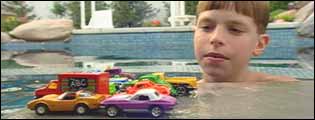 11 year-old Russell Rollens suffers from autism
Autism, the devastating childhood learning disorder now thought to affect one in 200 children in Britain, could be triggered by something in the environment. That is the ground-breaking conclusion being reached by some of the world's experts working in California. More than 3000 cases a year are diagnosed in California - a ten fold increase on the seventies. The numbers are continuing to rise, with nine children every day found to have the condition. It is widely believed that autism has a strong genetic component. But genetic diseases cannot lead to an epidemic-like rise in cases unless outside factors are at play. Better diagnosis Better diagnosis is thought to account for some of the rise, with more informed parents increasingly referring their children to specialists.
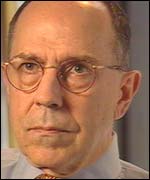
Dr Ron Huff, California's most senior psychologist, who is in charge of the State's $1.8 billion autism budget, told Newsnight that he now believes that an as yet unidentified environmental factor is partly to blame. This would be his "worst fear" because if an environmental factor is eventually found it is likely that it would take decades to reduce the effect and bring the numbers of cases under control. "If it is determined that an environmental link is there, we're going to see a lot more of this before we can correct that," he said. To account for the difference between the 200 - 300 cases a year in the 70s and the 3000 today you would have to argue that in 2700 cases clinicians were making diagnoses which would have been missed before. Dr Huff believes that the rise in autism cannot be put solely down to changing diagnostic practise. He said: "I think we would be foolish to attribute that rise simply to one single factor, I think it's a combination of factors." It also seems highly unlikely given that the Californian statistics only count the more serious so called Level One cases of autistic disorder. The symptoms of Level One cases, such as severely impaired speech, repetitive self-stimulatory behaviour, lack of eye contact and socialisation skills, are usually hard to miss. | |
See also:  17 Jul 02 | Newsnight | ||||||||||||||||||||||||||||||||||||||||||||||||||||||||||||||||||||||||||||||||||||||||||||||||||||||||||||||||||||||||||||||||||||||||||||||||||||||||||||||||||||||||||||||
| |
|  E-mail this story to a friend E-mail this story to a friend |
| |
| Links to more Newsnight stories |
| | | ||
 | ||||
 | | Back to top
| ||
| ---------------------------------------------------------------------------------- To BBC Sport>> | To BBC Weather>> | To BBC World Service>> ---------------------------------------------------------------------------------- © MMIII | News Sources | Privacy |