|
 |
 | | | | | | ||||||||||||||||||||||||||||||||||||||||||||||||||||||||||||||||||||||||||||||||||||||||||||||||||||||||||||||||||||||||||||||||||||||||||||||||||||||||||||||||||||||||||||||
| | | You are in: Programmes: Kenyon Confronts | ||||||||||||||||||||||||||||||||||||||||||||||||||||||||||||||||||||||||||||||||||||||||||||||||||||||||||||||||||||||||||||||||||||||||||||||||||||||||||||||||||||||||||||||||
|
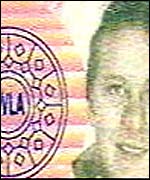
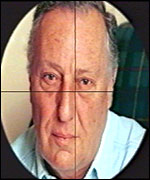
| |  Saturday, 4 January, 2003, 16:59 GMT Saturday, 4 January, 2003, 16:59 GMT Blunkett's ID 'stolen' by reporter  Paul Kenyon posed as David Blunkett and Frederick Forsyth A BBC reporter has "stolen" Home Secretary David Blunkett's identity as part of an investigation into Britain's fastest growing crime - ID fraud. Paul Kenyon, of BBC One's Kenyon Confronts programme, set out to prove how easy it is to snatch other people's identities and shows that basic checks are not made when official documents are issued. His revelations come amid concerns about government proposals to introduce an "entitlement card" - which has been described as a form of national identity card.
It took only one trip to the family records centre for the reporter to get a copy of Mr Blunkett's birth certificate, which turned out to be sufficient proof of identity to get the driving licence. Return of the Jackal Kenyon said: "In today's Britain you can become anyone you want to be, it's very, very easy." For the programme the reporter also "becomes" the author Frederick Forsyth, who famously wrote the book The Day of the Jackal in which an assassin steals the identity of a dead person. This time he obtained a copy of Mr Forsyth's birth certificate just by telephoning the Family Records Centre, in a move described by former Scotland Yard Fraud Officer Tom Craig as "a serious breach of policy." Not only does Kenyon steal Mr Forsyth's identity he also opened bank accounts and acquired credit cards - with the millionaire's credit rating - worth thousands of pounds.
When Kenyon told Mr Forsyth he had also "stolen" the home secretary's identity he said: "Mr Blunkett is supposed to be the head of the department that controls MI5." Mr Forsyth, a security expert, also expressed alarm at the possibility terrorists, perhaps even agents for Osama Bin Laden, could use these techniques to obtain false identification. Epidemic Identity fraud costs the UK billions of pounds each year and it is the country's fastest growing crime. Mr Craig says: "It's the start of an epidemic. It's difficult to detect and it's easy to perpetrate." He also warned that having debts run up in your name is not the only problem you could face if someone poses as you. In some extreme cases victims had their entire identities, including medical and employment records, hijacked and were forced to prove their own identities. In these cases Mr Craig said: "You have to get everyone to believe that you are the genuine person. You've actually got to prove your innocence." A Home Office spokeswoman told the programme they were aware of the problems highlighted and were recommending more stringent checks on applications for passports and driving licences, including using iris images and fingerprints. The spokeswoman added they were considering implementing "some short-term measures which the Driving and Vehicle Licensing Authority (DVLA) will be adopting to increase security surrounding driving licence applications".
| |
  Kenyon confronted See also: 18 Dec 02 | Technology 18 Dec 02 | Business Internet links: The BBC is not responsible for the content of external internet sites | ||||||||||||||||||||||||||||||||||||||||||||||||||||||||||||||||||||||||||||||||||||||||||||||||||||||||||||||||||||||||||||||||||||||||||||||||||||||||||||||||||||||||||||||
 | |
|  E-mail this story to a friend E-mail this story to a friend |
|  |
| Links to more Kenyon Confronts stories |
| | | ||
 | ||||
 | | Back to top
| ||
| ---------------------------------------------------------------------------------- To BBC Sport>> | To BBC Weather>> | To BBC World Service>> ---------------------------------------------------------------------------------- © MMIII | News Sources | Privacy |