
|
 |
 | | | | | | |||||||||||||||||||||||||||||||||||||||||||||||||||||||||||||||||||||||||||||||||||||||||||||||||||||||||||||||||||||||||||||||||||||||||||||||||||||||||||||||||||||||||||||||||||||||||||||||||||||||||||
| | | You are in: Programmes: Hardtalk | |||||||||||||||||||||||||||||||||||||||||||||||||||||||||||||||||||||||||||||||||||||||||||||||||||||||||||||||||||||||||||||||||||||||||||||||||||||||||||||||||||||||||||||||||||||||||||||||||||||||||||||
|
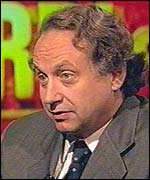
| | Monday, 19 August, 2002, 14:14 GMT 15:14 UK Robot risk 'is worth it' 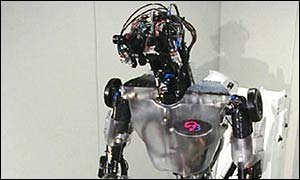 Research into developing robots must continue despite the risks involved, an artificial intelligence expert has said. Rodney Brooks, Director of the Artificial Intelligence Laboratory at Massachussets Institute of Technology, said: "The benefits of having robots could vastly outweigh the problems." And he dismissed fears of robots taking over the world as a "Hollywood plot device". Any new technology - such as a new drug or a new digital TV - could cause problems, he acknowledged. But he said it was more important to understand how humans exist and operate in the world. The meaning of life "It is a quest that mankind has had for a long time: what is our meaning?", Professor Brooks told BBC HARDtalk's Lyce Doucet. He went on: "Every technology, every science that tells us more about ourselves is scary at the time.
"I think we're pretty much glad for it - glad that we have modern medicine, glad that we have technology." But he conceded that there had been "some terrible things" along the way to progress which had needed controlling. He explained: "Nuclear weapons are an example."
"That's very much what we should do as a society." Professor Brooks said the nature of exploratory science meant scientists had to keep asking questions. "I think it's impossible and extraordinarily arrogant of us to say there are questions we don't need to ask." Human nature also meant that people always wanted to know answers, he added. "To try to repress answers, repress questions, leads to the same sort of things that we were all horrified to see going on in Afghanistan under the Taleban." Getting emotional
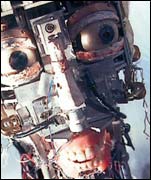
A robot called Kismet, developed in the professor's lab, is programmed to mimic expressions of emotion. "If it is happy and you bring out a toy it may respond to it positively; if it's already annoyed at you and you bring out a toy and start waving it around, it might make it more annoyed", said Professor Brooks.
Professor Brooks said that this was a "deep question", but pointed out that humans are programmed in exactly the same way as robots. The main question for him, he said, was: "Can we, as humans, ever accept such things as real? What does it mean to be really afraid, what does it mean to be really happy?" He challenged people to drop the belief that humans are special, saying we should recognise ourselves as machines. Although at the moment he treats his children as very special, he said "it doesn't mean that in the future I might not treat a machine with equal respect, or a kind of respect which is more than any of our current machines deserve." The interview can be watched in full on Monday 19 August on BBC World and BBC News 24 at the following times: BBC News 24 (times shown in BST) 0430, repeated 2230 BBC World (times shown in GMT) 0330, repeated 0830, 1130, 1530, 1830, 2330 | | 
See also:  07 Aug 02 | Health 04 Jun 02 | Science/Nature 19 May 02 | Science/Nature 05 Feb 01 | dot life Internet links: The BBC is not responsible for the content of external internet sites Top Hardtalk stories now: Links to more Hardtalk stories are at the foot of the page. | |||||||||||||||||||||||||||||||||||||||||||||||||||||||||||||||||||||||||||||||||||||||||||||||||||||||||||||||||||||||||||||||||||||||||||||||||||||||||||||||||||||||||||||||||||||||||||||||||||||||||||
| |
|  E-mail this story to a friend E-mail this story to a friend |
|  |
| Links to more Hardtalk stories |
| | | ||
 | ||||
 | | Back to top
| ||
| ---------------------------------------------------------------------------------- To BBC Sport>> | To BBC Weather>> | To BBC World Service>> ---------------------------------------------------------------------------------- © MMIII | News Sources | Privacy |








 BBC News 24