|
 |
 | | | | | | |||||||||||||||||||||||||||||||||||||||||||||||||||||||||||||||||||||||||||||||||||||||||||||||||||||||||||||||||||||||||||||||||||||||||||||||||
| | | You are in: Programmes: From Our Own Correspondent | |||||||||||||||||||||||||||||||||||||||||||||||||||||||||||||||||||||||||||||||||||||||||||||||||||||||||||||||||||||||||||||||||||||||||||||||||||
|
| | Saturday, 1 February, 2003, 12:24 GMT Havel's legacy of change  The legendary playwright and politician bids goodbye
In many ways, these changes have been for the better. I remember my first years living in a town called Pardubice, where an acrid smell hung in the air from the chemical factories.
Absurd details stick in the mind. On the local vegetable market, they didn't have any mushrooms - so you had to buy tinned ones. And buying anything was impossible after midday on Saturdays. Nightlife was confined to grotty little drinking dens, or a couple of gaudy nightclubs where the strippers were the main draw. Now, this country is much more prosperous. On holidays, Czechs no longer load an enormous amount of provisions for coach tours of Western Europe - air travel is now attainable for most people, as are package holidays with meals included. The romance disappears But in some ways the changes have taken away some of the romance that this country originally held for me. The main street in Pardubice now boasts a McDonalds like in any other medium-sized European town. There are bars selling Guinness, despite the proliferation of Czech beers.
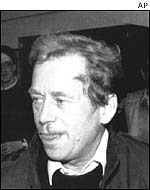
And Czechs, like many other Europeans, now spend their weekends in traffic jams on their way to shopping malls on the edges of big cities. And one other part of this country's romance is also vanishing. Just as I am leaving, so is its legendary President, Vaclav Havel. Revolution Mr Havel was the man who led the Velvet Revolution - a dramatist and former political prisoner who had opposed the communist regime with an artistic flourish. As a dissident, Mr Havel hosted festivals of illegal culture at his country cottage. Underground rock bands like The Plastic People of the Universe mixed with poets and intellectuals. The secret police looked on from a cottage of their own, which they had built specially for the purpose of spying on Mr Havel - a couple of hundred metres away across a deceptively idyllic meadow.
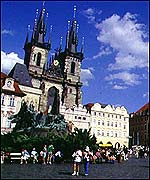
But he was still not quite like other politicians. When Mr Havel speaks you feel that he's saying what he thinks - not what he thinks you want him to think. In an age of focus groups and sound bites, Mr Havel is not afraid to explain an unpopular opinion at length. And he has also retained an offbeat humour. His last months in office were marked by a giant neon heart installed on Prague Castle. It could be seen, pulsating, right across the city. Critics said it made the castle look like a brothel, or that it was just plain ugly. But supporters saw it as a sign of Mr Havel's original revolutionary slogan: "Love and truth will prevail over lies and hatred." Czech customs And although, like Mr Havel, this country has become more normal over the years, it too has not entirely lost its ability to startle the newcomer. It is a society that, despite this time of change, holds firmly to its customs. At Christmas time, the streets of towns and cities are littered with large tubs crammed with carp - the traditional Christmas meal. Despite small protests by animal rights groups, the fish are either killed on the spot for customers, or taken home live and kept in the bath until it's time to eat them. My own personal favourite Czech custom is the zabijacka - a pig-slaughtering party that they do particularly well in my local village pub. We usually arrive late, to find the carcass hanging in the courtyard, blood still dripping down onto the cobble stones.
At a nearby table, women are stuffing a mixture of oats, blood, and offal into the pig's intestines to make a delicious local sausage. Another table is selling pork goulash. Every bit of the pig is consumed. Then, towards evening, a ghastly oompah band turns up and people start singing and dancing. Some people are worried that when this country joins the European Union, it will lose some of its national identity. But I don't believe this is true. What I have seen in my time here is that this country has gone through an immense period of change but hasn't lost touch with itself. When Czechs vote in a referendum on joining the EU later this year, they can do so with self-confidence. Havel's other slogan of the Velvet Revolution, "Back to Europe," can be fulfilled. | | See also:  29 Jan 03 | Europe 15 Jan 03 | Europe 04 Jun 02 | Europe 12 Feb 01 | Europe 20 Oct 02 | Country profiles 20 Oct 02 | Country profiles Internet links: The BBC is not responsible for the content of external internet sites Top From Our Own Correspondent stories now: Links to more From Our Own Correspondent stories are at the foot of the page. | |||||||||||||||||||||||||||||||||||||||||||||||||||||||||||||||||||||||||||||||||||||||||||||||||||||||||||||||||||||||||||||||||||||||||||||||||
 | |
|  E-mail this story to a friend E-mail this story to a friend |
|  |
| Links to more From Our Own Correspondent stories |
| | | ||
 | ||||
 | | Back to top
| ||
| ---------------------------------------------------------------------------------- To BBC Sport>> | To BBC Weather>> | To BBC World Service>> ---------------------------------------------------------------------------------- © MMIII | News Sources | Privacy |






 When Mr Havel speaks you feel that he's saying what he thinks - not what he thinks you want him to think