|
 |
 | | | | | | |||||||||||||||||||||||||||||||||||||||||||||||||||||||||||||||||||||||||||||||||||||||||||||||||||||||||||||||||||||||||||||||||||||||||||||||||||||||||||||||||||||
| | | You are in: Programmes: From Our Own Correspondent | |||||||||||||||||||||||||||||||||||||||||||||||||||||||||||||||||||||||||||||||||||||||||||||||||||||||||||||||||||||||||||||||||||||||||||||||||||||||||||||||||||||||
|
| | Saturday, 2 November, 2002, 16:56 GMT Talking to the Moscow gunmen  A week ago a hostage crisis in Moscow came to a bloody end
On the evening of Wednesday, 23 October, I was on my way home at the end of the working day when my mobile phone rang. It was a colleague from Bush House with the news that a group of Chechens had taken over a Moscow theatre with hundreds of people inside. "We've just had a call from a spokesman for the gunmen," he said. Our language service is very small, and there was only one person on duty that night. Rebels phone Luckily it was my colleague Vugar Khalilov, a journalist who has been to Chechnya many times.
He asked the spokesman, who was calling from outside Russia, to pass on his number to the rebels inside the theatre. For the rest of the evening, as we rushed to find people to take part in our programme, we waited for the phone to ring. It did ring. Many times over the next two days and nights. The first call The first call from inside the theatre came at about 11 o'clock that night.
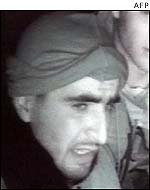
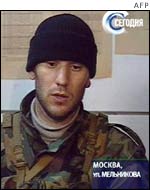
He said he was a representative of Movsar Barayev, the leader of the hostage-takers. He said they had come to Moscow to force the Russians to stop the war in Chechnya. He said they were prepared to wait for a week, but that if their demands were not met, they would kill all the hostages. Over the next 48 hours we spoke many times to Abusaid. Anger His Russian wasn't that good. And he dropped words like "infidel" into the conversation in a way that was somehow unconvincing. But what was obvious in every conversation was his burning anger and grief at the terrible war tearing Chechnya apart.
"Many of us don't have parents," he replied. "They are dead. Killed in this war. And our brothers and sisters, wives and children." Hostages We kept asking what was happening to the hostages. We could feel their presence in the background all the time. Poor, terrified people who had come for a night out at the theatre and had ended up in this nightmare. On the Thursday evening, Abusaid passed the phone to another man.
We asked him if the hostages were getting any sleep. "Yes," he said, "Can't you hear them snoring?" And then he lifted up the phone and we could indeed hear a faint faraway breathing. So close and yet so hopelessly out of reach. Killings There is no doubt, Abusaid and the rest of his group were very brutal people. On the first night they shot dead a woman who walked into the auditorium half an hour after the siege started. The Russian authorities only announced her death the next morning. They said she was a hostage. But the Chechens were adamant she was from the security services, sent in to find out what was going on inside. They said they had seen the same tactic when Chechen fighters stormed a hospital in southern Russia back in 1995. We wondered if any of Abusaid's group had actually been old enough to take part in that terrible raid.
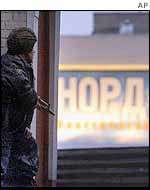
Abusaid told us his group had mined the theatre and that if the Russians fired a single shot, they would blow the place to pieces. I think they meant it. And yet, despite all the threats, they did seem ready for some kind of dialogue. They rang us every couple of hours. And they even allowed a television crew to come in and film. Time runs out But by the Friday things were getting very tense. The Chechens sounded nervous on the phone. They had run out of food. They started talking about deadlines. Every negotiator who came out of the building had a different story. If the Russian president doesn't send someone to talk by 2200 they are going to start shooting the hostages, said one. By midnight, said another. We called Abusaid. "We are prepared to wait until noon tomorrow," he said. "Kazantsev is coming to see us." He meant Viktor Kazanstev, President Putin's special envoy to southern Russia. The man responsible for Chechnya. Last call Later that night the phone rang again. It was Abusaid with some chilling news. "We have killed two people," he said.
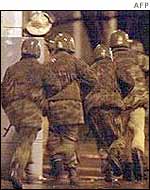
The other man had walked in from outside, they said. It was true. Russian television had just shown an unknown man wandering into the theatre. It was a distraught relative, was one theory. But the Chechens said he was a security agent, and were in no mood to give him the benefit of the doubt. Abusaid said things had calmed down, though that was hard to believe. And we agreed to call him the next day to find out how the talks had gone. Half an hour or so later, Russian television showed two bodies being brought out of the theatre. And then we began to hear reports of gunfire. It seemed the security forces could wait no longer and had decided to storm the building. What had happened, we wondered? Why weren't they waiting for the president's envoy? We called Abusaid's number, but it rang and rang, and nobody answered. We never heard from him again. | |
Internet links:  The BBC is not responsible for the content of external internet sites Top From Our Own Correspondent stories now: Links to more From Our Own Correspondent stories are at the foot of the page. | |||||||||||||||||||||||||||||||||||||||||||||||||||||||||||||||||||||||||||||||||||||||||||||||||||||||||||||||||||||||||||||||||||||||||||||||||||||||||||||||||||||
 | |
|  E-mail this story to a friend E-mail this story to a friend |
|  |
| Links to more From Our Own Correspondent stories |
| | | ||
 | ||||
 | | Back to top
| ||
| ---------------------------------------------------------------------------------- To BBC Sport>> | To BBC Weather>> | To BBC World Service>> ---------------------------------------------------------------------------------- © MMIII | News Sources | Privacy |






 Later that night the phone rang again. It was Abusaid with some chilling news