|
 |
 | | | | | | ||||||||||||||||||||||||||||||||||||||||||||||||||||||||||||||||||||||||||||||||||||||||||||||||||||||||||||||||||||||||||||||||||||||||||||||||||||||||||||||||||||||||||||||||||||||||||||||||||||||||||||||||||||||||
| | | You are in: Programmes: Crossing Continents | ||||||||||||||||||||||||||||||||||||||||||||||||||||||||||||||||||||||||||||||||||||||||||||||||||||||||||||||||||||||||||||||||||||||||||||||||||||||||||||||||||||||||||||||||||||||||||||||||||||||||||||||||||||||||||
|
| |  Thursday, 31 October, 2002, 09:47 GMT Thursday, 31 October, 2002, 09:47 GMTKurdistan's dilemma  Peace rocks at the Kurdistan border
A poorly executed plan to overthrow Saddam Hussein could mean they are vulnerable to retaliation or pre-emptive strike - even with chemical weapons.
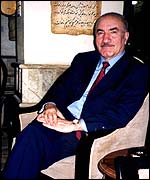
But one man, Shirko Abid, is taking every opportunity to help his Kurdish homeland. From his early teens, Shirko Abid was a member of the secret underground opposition to Saddam Hussein and his ruling Baath party. He was imprisoned and tortured half a dozen times as a member of Iraq's Kurdish minority. So he took up a new life in Britain. Shirko, now in his early fifties, has transformed himself from clandestine political activist to successful businessman.
But Shirko has not forgotten the cause to which he gave so much of his life. For the past year, he has been travelling backwards and forwards from Manchester to Iraqi Kurdistan, smuggling in IT equipment at his own expense. He is wiring up the newly reactivated Kurdish parliament and put its proceedings online. The Kurds of northern Iraq have been battling for self-rule from Baghdad for most of the past half century. They have suffered savage reprisals in response. The gassing of 5000 civilians in the town of Halabja in 1988 was the prelude to a systematic campaign by Saddam Hussein's forces, which Kurds refer to as genocide.
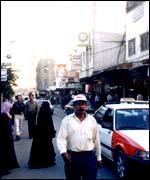
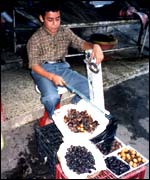
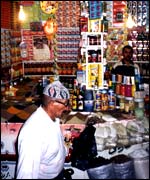
The "no-fly zone" established by the US and Britain to prevent the further persecution of Kurds has allowed them to build an autonomous homeland free from Saddam Hussein's control. Rival Kurdish tribes and factions have continued to feud and fight with each other. But they have also succeeded in creating a small oasis of Western-style pluralism and democracy in an overwhelmingly authoritarian region. Iraqi Kurdistan is different from its neighbours, and notably from the rest of Iraq. They hold democratic elections, have freedom of speech, and tolerance of religious and ethnic minorities. A fixed share of Iraq's national income - via the UN oil-for-food programme-has enabled Kurds to reconstruct their homeland. This has transformed a previously deprived and backward region into a bustling zone of prosperity and hope. But there is a fly in the ointment.
They are also aware that things could go badly wrong. "We are swimming under the belly of a shark", says Sami Abdurrahman, deputy Prime Minister of the Kurdish regional government. A poorly executed plan to overthrow Saddam Hussein could leave them vulnerable to retaliation or pre-emptive strike. And a US-backed palace coup which replaces Saddam with another Sunni Arab military strongman could reduce or extinguish Kurdish autonomy altogether. Iraqi Kurds are today savouring more freedom than ever before in their history. But -paradoxically-- the overthrow of their inveterate enemy, Saddam Hussein, could leave them worse off than they are now. Crossing Continents: Kurdistan Correspondent: George Arney | |
Internet links:  The BBC is not responsible for the content of external internet sites Top Crossing Continents stories now: Links to more Crossing Continents stories are at the foot of the page. | ||||||||||||||||||||||||||||||||||||||||||||||||||||||||||||||||||||||||||||||||||||||||||||||||||||||||||||||||||||||||||||||||||||||||||||||||||||||||||||||||||||||||||||||||||||||||||||||||||||||||||||||||||||||||
 | |
|  E-mail this story to a friend E-mail this story to a friend |
| |
| Links to more Crossing Continents stories |
| | | ||
 | ||||
 | | Back to top
| ||
| ---------------------------------------------------------------------------------- To BBC Sport>> | To BBC Weather>> | To BBC World Service>> ---------------------------------------------------------------------------------- © MMIII | News Sources | Privacy |