|
 |
 | | | | | | ||||||||||||||||||||||||||||||||||||||||||||||||||||||||||||||||||||||||||||||||||||||||||||||||||||||||||||||||||||||||||||||||||||||||||||||||||||||||||||||||||||||||||||||||||||||||||||||||||||||||||||||||||||||||||||||||||||
| | | You are in: Programmes: Cashing In | ||||||||||||||||||||||||||||||||||||||||||||||||||||||||||||||||||||||||||||||||||||||||||||||||||||||||||||||||||||||||||||||||||||||||||||||||||||||||||||||||||||||||||||||||||||||||||||||||||||||||||||||||||||||||||||||||||||||
|
| |  Tuesday, 17 September, 2002, 09:37 GMT 10:37 UK Tuesday, 17 September, 2002, 09:37 GMT 10:37 UK Shaw's short guide to shares 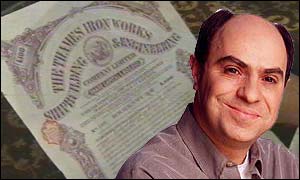
What are they? Shares entitle you to a share of a particular business. The more shares you own, the bigger the percentage of the company you own. As a part owner in a business you are entitled to certain benefits and certain risks. While you can open a bank account with �1, you can't buy �1 worth of shares. The broker will charge about �20 to buy a share for you and so it usually only makes sense to start buying a share of a company if you have at least �1,000 to spend and some would say even more than that. What are the benefits? A share entitles you to a part of the distributed profits in a company. These come in the form of dividends. Twice a year a company decides whether or not to share its profits among its shareholders and how much of the profits should be distributed and how much should be re-invested in the company or held back for emergencies. As a shareholder you would get a part of any distributed profits. The more shares you own, the more money you would get. As an owner of the business, you also have a say in how it is run. Shareholders vote on who should run the company and on some other key decisions like whether the business should be sold or not. However, companies are not democracies and it is not one person one vote. The more shares you have, the more votes you get. Most of the voting power therefore lies with the big pension funds, which have bought most of the shares. Private investors do have a say in how the company is run, but in practice their influence tends to be very small. For many the biggest benefit is when the share price rises. Over the long term the average share price has tended to rise faster than most other investments. For this reason, share investments have become very popular. What are the risks? When you buy a share you are risking everything you have spent. A share bought for �1 today could be worth �0 tomorrow. Some shares are riskier than others, however, since investors are trying to predict the future, it's very difficult to know just how much risk is attached to any one investments. Generally the more the shares promise to make, the bigger the risk that they will fail. Small companies for instance have a chance of growing very quickly. If they do, then the share price might rise very quickly. However small companies can also go bust very quickly losing shareholders all their money. Why bother? It's worth considering a share based investment because on average over the long term they tend to do well. There are also a limited number of alternatives, which can provide substantial growth. Bank and building society accounts offer flexibility and safety. But the interest tends to be very low and while the money is safe, it won't grow very much. Bonds are riskier than bank accounts but also provide limited growth potential. Shares are amongst the most risky of investments, but for those people who want to make a lot of money, they provide a possible route to riches. Can I reduce the risk? There are 3 main ways of reducing the risk of a share based investment. 1: Pick the tortoise not the hare. Flashy shares may offer go faster stripes and promises of untold riches but they also carry the most risk. A share in a company selling revolutionary products or services may prove to be one of the successes of the century but if the product doesn't succeed or doesn't succeed as well as hoped, then the share investment can prove disastrous. This is exactly what happened to many of the dot com shares in companies which hoped to profit from the internet. The Internet itself has been a great success but many of the companies which hoped to provide Internet services were wildly optimistic about how much money they could make from it. As a result shares in many of the dot.coms have not performed well. On the other hand you can invest in companies with a long track record of performance. They are unlikely to have a massive growth spurt since the markets in which they operate are already quite mature. However they are often more likely to grow quietly and may be a less volatile investment. Even long established companies can go bust or suffer a severe downturn, so always take advice or consider the options very carefully. 2: Stay a while While the stock market can gyrate wildly in the short term, over the long term share prices have tended to rise. Therefore if you can afford to wait a few years, it is much more likely that your shares will recover from any short term downturn in the market. If you may suddenly need the cash you invested in shares, you could be forced to sell the shares at a bad time and have to suffer a loss. 3: Spread the risk It's an old clich� but true nonetheless: don't put you eggs in one basket. If you invest all you money in one share, then any fall in the share price will have dramatic effect on your wealth. If you spread the investment over a few shares, then a fall in the value of any one share will not have such direct effect on your overall wealth. You should also reduce the risk by spreading your investment money amongst number of different investments outside of the stock market. Put some in a bank, some in a cash ISA, some in a pension and only some into shares. With a limited amount to invest, it can be very hard to get a proper spread of companies. Unit and Investment trusts can help individual investors share in bigger portfolio than they would be able to build on their own. Unit and Investment Trusts take the money from a number of people, put it into one pot which is given to a professional manager to invest. The profits and losses of the manager are then shared by all the members of the trust. What are tracker funds? Instead of employing a professional manager, some funds invest in whichever shares form part of the main stock market indices. These funds tend to charge lower management fees because they don't have expensive city whizz kids making all the decisions. The advantage of tracker funds has been that in the past they often perform much better then those of the actively managed funds. The disadvantage of tracker funds is that when the average performance of the market falls, the fund is bound to fall as well. So there is no chance of them bucking the trend. | |
| ||||||||||||||||||||||||||||||||||||||||||||||||||||||||||||||||||||||||||||||||||||||||||||||||||||||||||||||||||||||||||||||||||||||||||||||||||||||||||||||||||||||||||||||||||||||||||||||||||||||||||||||||||||||||||||||||||||
|  |
|  E-mail this story to a friend E-mail this story to a friend |
| |
| Links to more Cashing In stories |
| | | ||
 | ||||
 | | Back to top
| ||
| ---------------------------------------------------------------------------------- To BBC Sport>> | To BBC Weather>> | To BBC World Service>> ---------------------------------------------------------------------------------- © MMIII | News Sources | Privacy |