|
 |
 | | | | | | ||||||||||||||||||||||||||||||||||||||||||||||||||||||||||||||||||||||||||||||||||||||||||||||||||||||||||||||||||||||||||||||||||||||||||||||||||||||||||||||||||||||||||||||||||||||||||||||||||||||||||||||||||||||||||||||
| | | You are in: Programmes: Cashing In | ||||||||||||||||||||||||||||||||||||||||||||||||||||||||||||||||||||||||||||||||||||||||||||||||||||||||||||||||||||||||||||||||||||||||||||||||||||||||||||||||||||||||||||||||||||||||||||||||||||||||||||||||||||||||||||||||
|
| |  Tuesday, 17 September, 2002, 10:02 GMT 11:02 UK Tuesday, 17 September, 2002, 10:02 GMT 11:02 UK Leaving a will 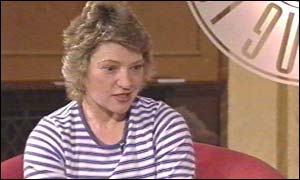 It's one of the most obvious ways to plan for the future. But still, nearly three quarters of us don't have a will. Dying without leaving a will is called "dying intestate" - which means that all your wealth is divided up between each surviving member of your family. If you do not have any family or beneficiaries, it goes straight to the Crown. It may not be something we like to think about - what happens when we die - but making a will need not be a complicated process. How to make a will
They will also help you update your will should your circumstances change. They will keep your will in a safe in the solicitor's office, although they recommend you tell someone, preferably your executor, where the will is kept. Some solicitors offer will-making services via the internet now. This is usually fairly easy, just as credible and cheaper. It is not unheard of for people to make their will with a chosen undertaker, though it is likely they will be working in partnership with a firm of solicitors. Alternatively you can buy kits from such as the Post Office for guidance on making hand written wills.
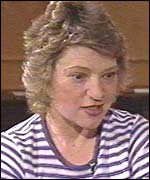
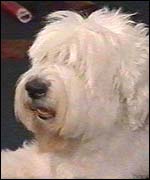
Compared to wills made with the solicitors, they can be ambiguous, so you need to think carefully about what you write and make sure your intentions are clear. Of course it's not just family and friends who could benefit from your will. Leaving money to pets Jacqui Smith came along to the Cashing In roadshow with her five dogs. She hadn't made a will and was concerned about what would happen to the family pets, which also include a parrot, when she dies.
A special organisation called the Cinnamon Trust was set up in 1985 to help people like Jacqui. Volunteers from the trust visit people who are old or ill, to look after their pets. It will also find a suitable home for the animals when someone dies and pay the bills. By including the trust in her will Jacqui wiuld be able to make sure her pets are kept together and are looked after the way she would like them to be looked after when she dies. | |
Internet links:  The BBC is not responsible for the content of external internet sites | ||||||||||||||||||||||||||||||||||||||||||||||||||||||||||||||||||||||||||||||||||||||||||||||||||||||||||||||||||||||||||||||||||||||||||||||||||||||||||||||||||||||||||||||||||||||||||||||||||||||||||||||||||||||||||||||
|  |
|  E-mail this story to a friend E-mail this story to a friend |
| |
| Links to more Cashing In stories |
| | | ||
 | ||||
 | | Back to top
| ||
| ---------------------------------------------------------------------------------- To BBC Sport>> | To BBC Weather>> | To BBC World Service>> ---------------------------------------------------------------------------------- © MMIII | News Sources | Privacy |