|
 |
 | | | | | | ||||||||||||||||||||||||||||||||||||||||||||||||||||||||||||||||||||||||||||||||||||||||||||||||||||||||||||||||||||||||||||||||||||||||||||||||||||||||||||||||||||||||||||||||||||||||||||||||||||||||||||||||||||||||||||||||||||||
| | | You are in: Programmes: Cashing In | ||||||||||||||||||||||||||||||||||||||||||||||||||||||||||||||||||||||||||||||||||||||||||||||||||||||||||||||||||||||||||||||||||||||||||||||||||||||||||||||||||||||||||||||||||||||||||||||||||||||||||||||||||||||||||||||||||||||||
|
| |  Tuesday, 17 September, 2002, 09:35 GMT 10:35 UK Tuesday, 17 September, 2002, 09:35 GMT 10:35 UK Investing for a new baby 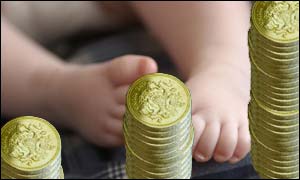
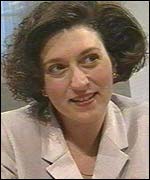
Christine Ross, a financial adviser from S G Hambros, spoke on Cashing In to a grandmother who wanted to provide for the future of her new grandson, Charles. When a new baby comes along parents and grandparents often think about setting aside a sum of money, or starting a regular savings plan, so that when the young person is older they have a capital sum to start them off in life. This might be used, for example, to pay for further education or as a deposit for a first home. The first savings for a child are usually cash deposits. These can be in accounts specifically set up with banks and building societies for children. Children's savings accounts have a maximum age limit for the account holder, which can be 21 for some accounts. There are also accounts available that have a minimum age limit, so they are accessible by 11-16 year-olds, for example.
Most accounts also offer incentives such as CD tokens and newsletters, and sometimes a birthday card. Examples of accounts available in September 2002 include a fixed rate of 5.05% per cent at Abbey National for balances over �500, as well as variable rates of 4.5% from Nationwide (minimum �1) and 5% from Halifax (minimum �5). Saving child benefit Many parents choose to save their child benefit. Currently this is paid at a rate of �15.65 per week for the first child. Assuming savings at this rate (it usually increases but I have ignored this for this exercise), and taking a long-term gross interest rate of 5%, this would amount to almost �24,000 by the time the child reaches age 18. Obviously this will not have the same buying power as today, but will still be a worthwhile sum. Tax Interest earned on the account is subject to income tax. Children, like adults, have a personal income tax allowance (�4,615 for the 2002/03 tax year). If the account holds money gifted by friends and relatives - but not parents - any interest earned from the savings account may be set against the allowance. As long as the total amount of interest falls within the allowance, then no tax will be payable. When the account is opened, a form R85 should be completed. This confirms that the account holder is a non-taxpayer and allows interest to be received without the deduction of income tax. Where parents save on behalf of a child, the tax rules are different. Only �100 of interest (per parent) can use up the child's personal income tax allowance. Where interest exceeds this level, the whole of the interest will be taxed on the parent. This is really a mechanism to prevent parents from holding their own cash savings in their children's names and taking advantage of the tax allowances. Where both parents and other relatives are saving on behalf of a child, consideration should be given to opening separate accounts - one for parents' gifts and one for gifts from other relatives. Investing There are savings opportunities beyond cash accounts and these should not be ignored. Over the longer term, stock market funds have outperformed other types of investment, although in the shorter term these can be volatile.
Both of these factors help to reduce the risks associated with investing in shares. When saving smaller regular amounts, the best way to invest in the stock market is through a unit or investment trust. These are pooled investment funds which give access to a wide spread of shares and other securities such as bonds. These funds may be actively managed - where a fund manager picks individual stocks based on a view of their future potential, or passive, where a manager invests in all the shares that comprise a stock market index - such as the FTSE 100. Taking the same example of saving child benefit of �15.65 per week for 18 years, but this time investing in a stock market fund which achieves an average annual return of 8%, would result in a fund valued at �30,000 after investment charges. | |
| ||||||||||||||||||||||||||||||||||||||||||||||||||||||||||||||||||||||||||||||||||||||||||||||||||||||||||||||||||||||||||||||||||||||||||||||||||||||||||||||||||||||||||||||||||||||||||||||||||||||||||||||||||||||||||||||||||||||
|  |
|  E-mail this story to a friend E-mail this story to a friend |
| |
| Links to more Cashing In stories |
| | | ||
 | ||||
 | | Back to top
| ||
| ---------------------------------------------------------------------------------- To BBC Sport>> | To BBC Weather>> | To BBC World Service>> ---------------------------------------------------------------------------------- © MMIII | News Sources | Privacy |