|
 |
 | | | | | | |||||||||||||||||||||||||||||||||||||||||||||||||||||||||||||||||||||||||||||||||||||||||||||||||||||||||||||||||||||||||||||||||||||||||||||||||||||||||||||||||||||||||||||||||||||||||||||||||||||||||||||||||||||||||||||||||||||
| | | You are in: Programmes: Cashing In | |||||||||||||||||||||||||||||||||||||||||||||||||||||||||||||||||||||||||||||||||||||||||||||||||||||||||||||||||||||||||||||||||||||||||||||||||||||||||||||||||||||||||||||||||||||||||||||||||||||||||||||||||||||||||||||||||||||||
|
| |  Tuesday, 17 September, 2002, 09:36 GMT 10:36 UK Tuesday, 17 September, 2002, 09:36 GMT 10:36 UK Inheritance tax 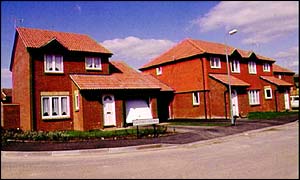
John Whiting is a tax partner at PricewaterhouseCoopers. "Nothing in this life be certain save death and taxes" This is a brief guide to Inheritance Tax (IHT) - the tax that arguably combines both halves of Benjamin Franklin's famous dictum. While it's not big business for the government - raising "only" �2.5 billion or just over 0.5% of our tax revenues in the UK - it is something that is bothering an increasing number of people. At the moment only some 4% of those dying leave their executors with IHT bills but that proportion looks set to increase markedly over the coming years. What is IHT? IHT is essentially a form of death duties - the tax charged on what you leave behind when you die. In some ways it's a fee charged by the government for allowing you to leave at least some of your wealth to your heirs. Leaving aside questions over the appropriateness of this, the fact remains that it is there to tax at 40% the value of all the assets you leave behind on death apart from the first �250,000-worth. In practical terms, IHT has to be paid by someone's executors before they are able to manage their assets and potentially hand them on to the beneficiaries. Calculating IHT The basic calculation of IHT is simple - value all the assets that are left behind on death, add them up, knock off �250,000 (the "nil rate band", which increases a bit every year) and tax what's left at 40%. There are some extra points to this calculation. For a start, if the deceased gave away assets within the seven years before death, those assets have to be counted into the value of the estate though any tax due may be reduced from the 40% level. There are also a number of exemptions which mean the property or amount in question can be left out of the calculation. The most important of these is property left to a UK-domiciled spouse. Other exemptions include charitable gifts and bequests. Basic IHT planning Many will have spotted that you can avoid IHT entirely by leaving all your property to your spouse. However, this could increase your IHT bill in the long run. To take a simple example, suppose that both husband and wife have assets of �250,000. If on husband's death these are left entirely to wife, there will be no IHT. But when wife dies there will be IHT on �250,000 @ 40% = �100,000.
There are things that can be done throughout life. There are little exemptions such as an annual exemption of �3,000, exemptions for certain marriage gifts and a useful one known as normal expenditure out of income. In other words, what the taxman is keeping an eye open for is simply gifts out of capital. It is also possible to think in terms of giving sums away, surviving seven years and thus getting that gift out of your IHT "reach". One factor that should certainly be in your planning is to make sure you have a proper will. Of itself it won't save IHT, but will at least make sure your assets go where they are intended to and that any IHT planning you have done is affective. What about the family home? The increase in value of properties is why many more people are being drawn into the IHT net. The value of an average house in London and the South East almost automatically gets you into IHT and other areas of the country are not far behind. It is not easy to give the family home away. Ideas such as giving it away to the children and continuing to live there don't work for IHT planning unless you go to the extreme of paying your children a (taxable) full market rent. But you can at least look at how you hold the property - for example if a married couple hold the house as tenants in common it means they each own half the property and can pass that half on as they wish rather than the usual situation where holding the property as joint tenants means that the survivor takes all. In conclusion IHT is a tax that can be planned for, at least in terms of its impact. You may not be able to take your wealth with you when you go but you can at least make sure the taxman doesn't get a greater share than he has to! Questions about inheritance tax
Trusts do have a place in planning but you have to be very careful that you know what you are doing and that it fits in with your plans. For example it is possible to give property away into a discretionary trust which is outside your estate. But it could create an immediate IHT charge and may of course mean that the property isn't held in the way you want it to be. There are also schemes around involving trusts and the family home - but do approach them with care! If indeed the children have bought the house at market value it's theirs and up to them what they do with it. Will they decide to throw you out? This is an illustration of why IHT has to be commercial and practical! You may then have to think about what you are going to do with the proceeds - and if you are giving them away to the kids and continuing to live in the house the Inland Revenue may well argue that you have made a "gift with reservation of benefit" with what seems to be something of a scheme and overall try and treat the property as still being in your estate when you die. Life policies do indeed have a part to play - for example you could put �3,000 a year (or more if you can spare it out of income) into a life policy. These amounts would be covered by your basic IHT exemptions and if the policy is written to pay to your children or to a trust, any proceeds should be outside your estate and would generate a useful sum to meet IHT bills as well as reducing the value of your estate. There's also a nice point on any life cover you have through work. If there is a potential lump sum on death in service, make sure this is paid not to your estate but direct to beneficiaries - this can usually be done through a letter of wishes. Jointly owned assets are normally regarded as owned 50:50 in the absence of any other evidence to the contrary. Of course many houses are owned on the basis of "joint tenants" which means that the survivor takes the whole property. The spouse exemption that is available with IHT is only available to married couples - but not to long-term partners. This is a factor that needs to be borne in mind for any IHT planning. Yes - any monies left to charity either on death or indeed given during life will be outside the IHT net. Indeed political parties also qualify for IHT exemption but you may feel that it's their fault we have IHT in the first place! | |
| |||||||||||||||||||||||||||||||||||||||||||||||||||||||||||||||||||||||||||||||||||||||||||||||||||||||||||||||||||||||||||||||||||||||||||||||||||||||||||||||||||||||||||||||||||||||||||||||||||||||||||||||||||||||||||||||||||||
|  |
|  E-mail this story to a friend E-mail this story to a friend |
| |
| Links to more Cashing In stories |
| | | ||
 | ||||
 | | Back to top
| ||
| ---------------------------------------------------------------------------------- To BBC Sport>> | To BBC Weather>> | To BBC World Service>> ---------------------------------------------------------------------------------- © MMIII | News Sources | Privacy |