|
 |
 | | | | | | ||||||||||||||||||||||||||||||||||||||||||||||||||||||||||||||||||||||||||||||||||||||||||||||||||||||||||||||||||||||||||||||||||||||||||||||||||||||||||||||||||||||||||||||||||||||||||||||||||||||||||||||||||||||||||||||||||||||||
| | | You are in: Programmes: Cashing In | ||||||||||||||||||||||||||||||||||||||||||||||||||||||||||||||||||||||||||||||||||||||||||||||||||||||||||||||||||||||||||||||||||||||||||||||||||||||||||||||||||||||||||||||||||||||||||||||||||||||||||||||||||||||||||||||||||||||||||
|
| |  Tuesday, 17 September, 2002, 09:33 GMT 10:33 UK Tuesday, 17 September, 2002, 09:33 GMT 10:33 UK The pitfalls of borrowing 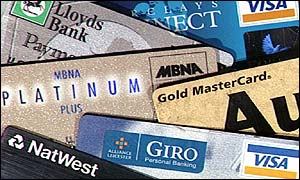
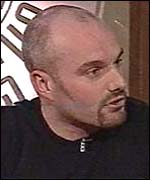
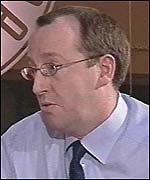
Body builder Chris Fortune spoke to David Hanratty, a financial adviser, at Cashing In about how best to consolidate his debt. They also discussed how he could increase his income by renting out a room in his home. Borrowing money to buy large items that we can't wait to have is a feature of modern society. With apparently low interest rates fewer people than ever these days save religiously until they have enough to buy a new TV, three piece suite or kitchen. And most of us are pretty good at paying the money back - on time. Though we don't mind using debt to get what we want quickly, we still like to clear it as soon as we can. But borrowers who pay off certain debts early can be getting a very raw deal. Structured or flexible
Structured loans appeal because they commit you to repaying the loan in a certain period. Penalties
The losers are those that take on structured loans and pay them off early. Instead of being congratulated for being so prudent they are actually in breach of the loan terms and conditions and there is generally a hefty penalty involved. This can make the effective interest rate cost of the money borrowed far higher than other types of borrowing. So if you're borrowing money and you believe you will be able to pay the loan off quickly, be careful before you commit yourself to a structured loan. Check the penalties for early repayment; it may well be better to talk to your bank about an overdraft or a flexible loan, or you could take advantage of introductory offers on many credit cards - you may even end up paying no interest at all if you're clever! Rent-a-Room The Rent-a-Room scheme could help Chris Fortune find some extra cash: it allows you to receive up to �4,250 of rental income a year tax-free. If you're a homeowner or even if you're a tenant, you are allowed to let furnished rooms in your home and receive a certain amount of rental income which will not be taxed. But to qualify you must live in the property with your lodger for at least part of the time, and it must be your main place of residence.
You cannot, however, then claim any further expenses, or capital allowances. So as long as the total rent you get during the tax year is no more than �4,250, you do not have to pay tax on that income. You do not have to take part in the scheme if it is not to your advantage. Instead, you simply declare all your letting income and claim expenses and, where appropriate, capital allowances in the normal way. Joint lettings If you share your home with another person and one of you lets a room to someone, the whole exemption will go to the person actually renting out the room. If you let the room jointly, or you each let a separate room, each of you will get half the exemption, that is, �2,125. If three or more people let a room on a joint basis, they will each get an exemption of �2,125 each. Where a home is owned by a husband and wife, the income from letting will normally be treated for tax purposes in equal shares. If services such as meals and cleaning are provided, however, the letting will probably amount to a trade and the income will be applicable to the spouse who carries on the trade. People who rent can also take advantage of the scheme as well as people who own their homes, but you should check whether your lease allows you to take in a lodger. Don't forget to tell If you have a mortgage on the property, you should inform your mortgage lender of the situation to ensure you are not breaching the contractual agreement between you and the lender. If your letting income falls within the Rent-a-Room scheme, most lenders will not have a problem. Similarly you should also inform your insurer. If you forget to, having a lodger could invalidate your policy. Because you will be entering into a contract with the lodger, you should draw up a document stating the terms and conditions of the deal, including when they need to vacate or when the initial contract comes up for renewal. Speak to a solicitor for advice on drawing up a contract. Filling in a tax return If you don't get sent a tax return and you receive rent of �4,250 a year or less, you do not need to tell the Inland Revenue about this income. If you do get a tax return, all you have to do is tick a box to confirm that your rental income is �4,250 a year or less. You must include on your tax return details of all income expected to be received during the tax year, even if it hasn't been received until after 5th April. If you make a loss from your rental income in the year, you can carry this forward and set it against the rental income of the following tax years until it is used up. What happens if the rent is more than �4,250? If the amount of gross rent you receive is greater than the annual allowance, you can choose to pay tax either: A - on the profit you make from letting the room, worked out in the normal way - so the gross rent less expenses such as management costs and maintenance but not home improvements). or B - on the the amount of rent over �4,250. Where the gross rent is not much over the allowance, the second option is usually cheaper. You can change which method you use but you must tell your Tax Office by 31 January, 22 months after the end of the tax year. Method B will automatically cease if the rent you get drops below �4,250. If, in the following year, your rent goes up and you want to use method B again, you must tell your Tax Office by 31 January, 22 months after the end of the tax year. (The time limit for tax years up to 1995-1996 inclusive is one year after the end of the tax year.) Other services If you provide meals and wash clothes and any other related services, as well as accomodation then any payment for these services has to be added to the rent for Rent a Room purposes. If the income you receive from total rent and services is more than �4,250 a year, even if the rent alone is less, you will have to pay tax. Your tax choice will be between method A and B shown above. Losses count If you have any losses outstanding from earlier years when your rents were not within the scheme, these can be included. If your rent is �4,250 a year or less and you therefore have no tax to pay on that income, the losses from an earlier period can be carried forward against future letting profits. If your rent is more than �4,250, then - whether you use method A or B - the earlier losses can be set against your rents by carrying forward the loss and setting it against your rental profits in future years. Capital Gains Tax Moving Living abroad Further information If you want to know more about the general laws on letting rooms, ask your nearest Citizens' Advice Bureau for a copy of the DETR leaflet "Letting Rooms in Your Home". | |
| ||||||||||||||||||||||||||||||||||||||||||||||||||||||||||||||||||||||||||||||||||||||||||||||||||||||||||||||||||||||||||||||||||||||||||||||||||||||||||||||||||||||||||||||||||||||||||||||||||||||||||||||||||||||||||||||||||||||||
|  |
|  E-mail this story to a friend E-mail this story to a friend |
| |
| Links to more Cashing In stories |
| | | ||
 | ||||
 | | Back to top
| ||
| ---------------------------------------------------------------------------------- To BBC Sport>> | To BBC Weather>> | To BBC World Service>> ---------------------------------------------------------------------------------- © MMIII | News Sources | Privacy |