|
 |
 | | | | | | ||||||||||||||||||||||||||||||||||||||||||||||||||||||||||||||||||||||||||||||||||||||||||||||||||||||||||||||||||||||||||||||||||||||||
| | | You are in: Programmes: Breakfast with Frost | ||||||||||||||||||||||||||||||||||||||||||||||||||||||||||||||||||||||||||||||||||||||||||||||||||||||||||||||||||||||||||||||||||||||||||
|
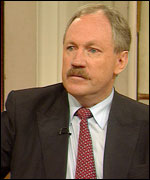
| |  On Sunday, 27 July 2003, Breakfast with Frost featured an interview with the Chief Executive of British Airways, Rod Eddington.
Rod Eddington acknowledged that the future of the company is at stake in talks which will take place during the coming days. "The future of BA is in the hands of the negotiators," he told Peter Sissons, as he prepared to meet leaders of two of the unions involved in the dispute which has brought chaos to Heathrow airport and affected 100,000 passengers. "It is important for all of us to reach a sensible and rapid conclusion," he went on. Mr Eddington admitted that the crisis had cost British Airways tens of millions of pounds. "BA will not fail, we will succeed, but we have no God-given right to succeed," he said.
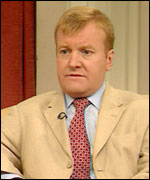
Support for BBC Also on the programme, the Liberal Democrat leader Charles Kennedy MP launched a strong defence of the BBC in its row with the government over its reporting of the build-up to the war in Iraq. "The quicker this spat between the BBC and the government moves on the better," he said. "I think that the government are very unwise to allow themselves to be portrayed as somehow calling into question the independence of the BBC ... "This government will come and go like any other government but the BBC is here to stay as an independent broadcasting organisation on a global level and ministers would do well to remember that." Asked about the Cabinet Minister Peter Hain's call in a Sunday newspaper article for a "new deal" between politicians and the media, Mr Kennedy said: "I suppose I should be generous on a Sunday and say heaven should rejoice when a sinner repents ... "If he is now trying to make a virtue out of the fact that he has seen the light, all good and well." Bigger role for United Nations
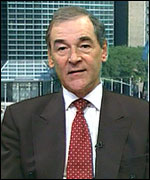
The programme also included an interview with Sir Jeremy Greenstock, who is leaving his post as British Ambassador to the United Nations to take on a new job as the government's special envoy in Baghdad. Sir Jeremy said he would be arguing for a bigger role for the United Nations in post-war Iraq. And he said that if Saddam Hussein were found, it would be better for him to be captured and put on trial rather than killed outright. Asked if he expected the coalition to discover weapons of mass destruction, Sir Jeremy answered: "I don't know, I don't know what the story is," but he added that he personally believed that Saddam had been running weapons programmes. Iraq 'on course' for democracy A member of Iraq's new Governing Council, Ahmed Chalabi, told Peter Sissons that Iraq was on course to make the transition to democracy. "Once we have a constitution established we will have elections," Mr Chalabi said. "I believe that it is more important to have a good and solid constitution, if it takes a little bit more time. So I would say that 18 months would be my guess for this."
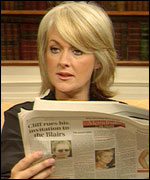
Peter Sissons also interviewed the record-breaking free-diver Tanya Streeter, and the newspapers were reviewed by the Sun columnist Jane Moore, and Simon Sebag Montefiore, author of a new biography of Stalin. Disclaimer: The BBC will put up as many of your comments as possible but we cannot guarantee that all e-mails will be published. The BBC reserves the right to edit comments that are published. | | See also:  | ||||||||||||||||||||||||||||||||||||||||||||||||||||||||||||||||||||||||||||||||||||||||||||||||||||||||||||||||||||||||||||||||||||||||
 |  |
|  E-mail this story to a friend E-mail this story to a friend |
|  |
| Links to more Breakfast with Frost stories |
| | | ||
 | ||||
 | | Back to top
| ||
| ---------------------------------------------------------------------------------- To BBC Sport>> | To BBC Weather>> | To BBC World Service>> ---------------------------------------------------------------------------------- © MMIII | News Sources | Privacy |