|
 |
 | | | | | | ||||||||||||||||||||||||||||||||||||||||||||||||||||||||||||||||||||||||||||||||||||||||||||||||||||||||||||||||||||||||||||||||||||||||||||||||||||||||||||||||||||||||||||||||||||||||
| | | You are in: Programmes: Breakfast | ||||||||||||||||||||||||||||||||||||||||||||||||||||||||||||||||||||||||||||||||||||||||||||||||||||||||||||||||||||||||||||||||||||||||||||||||||||||||||||||||||||||||||||||||||||||||||
|
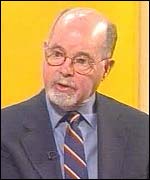
| |  Wednesday, 2 April, 2003, 05:06 GMT 06:06 UK Wednesday, 2 April, 2003, 05:06 GMT 06:06 UKTruth and the war of words  Does round the clock reporting give an accurate picture? There's never been a conflict quite like the current war with Iraq. TV news crews and newspaper journalists are covering the conflict in minute detail, as it happens, thanks to a decision to allow hundreds of journalists to be "embedded" with various military units. But how - with so much information being thrown at us - how can we separate facts from propaganda? Journalists from media organisations all over the world have been assigned to the military including US and British warships, air bases in Kuwait and various infantry, artillery and commando units. They are known as 'embeds' and their unprecedented access has led to some graphic reports. But, by placing reporters alongside servicemen and women, is the military controlling what we see? There are also the specially groomed spokesmen - many of them generals, who are delivering regular press conferences from Central Command in Doha, Qatar. Phillip Knightley Is the author of The first casualty: The war correspondent as hero and myth maker from Crimea to Kosovo.
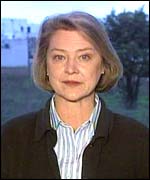
Of course some journalists have been working independently in Iraq but they are at much greater risk - and their movements are often monitored by Iraqi authorities. During the Vietnam war, he says, the US military accepted war reporters - they even fed them, defended them and transported them. He claims that as a result the reporters went wherever they wanted - but ultimately lost the war for the US because of the nature of their reports. Kate Adie
As the BBC's Chief News Correspondent, Kate Adie spent much of her career reporting from the the front line. She covered the Gulf War in 1991 and conflicts in Bosnia, Kosovo, Armenia, Albania, Rwanda and Sierra Leone. Kate is of the opinion that propoganda isn't necessarily the same as lying, but is more about influencing opinions. | |
See also:  20 Mar 03 | Your Comments | ||||||||||||||||||||||||||||||||||||||||||||||||||||||||||||||||||||||||||||||||||||||||||||||||||||||||||||||||||||||||||||||||||||||||||||||||||||||||||||||||||||||||||||||||||||||||
 | |
|  E-mail this story to a friend E-mail this story to a friend |
| |
| Links to more Breakfast stories |
| | | ||
 | ||||
 | | Back to top
| ||
| ---------------------------------------------------------------------------------- To BBC Sport>> | To BBC Weather>> | To BBC World Service>> ---------------------------------------------------------------------------------- © MMIII | News Sources | Privacy |