|
 |
 | | | | | | ||||||||||||||||||||||||||||||||||||||||||||||||||||||||||||||||||||||||||||||||||||||||||||||||||||||||||||||||||||||||||||||||||||||||||||||||||||||||||||||||||||||||||||||||||||||||||||||||||||||||||||||||||||||||||||||||||||
| | | You are in: Programmes: Breakfast | ||||||||||||||||||||||||||||||||||||||||||||||||||||||||||||||||||||||||||||||||||||||||||||||||||||||||||||||||||||||||||||||||||||||||||||||||||||||||||||||||||||||||||||||||||||||||||||||||||||||||||||||||||||||||||||||||||||||
|
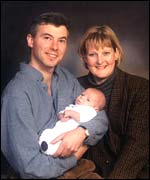
| |  Thursday, 30 January, 2003, 06:36 GMT Thursday, 30 January, 2003, 06:36 GMTDiagnosing cot death  Sally's husband stood by her during three years in jail Yesterday's decision by the Court of Appeal to free Sally Clark, the solicitor jailed for murdering her two baby sons, has again thrown light on cot deaths. During the appeal it emerged that crucial medical evidence - which may have shown the babies died from natural causes - was not seen by the defence team, or the jury in the original trial. So, what does Sally Clark's treatment tell us about our attitudes towards cot death? She explained that there are concerns in around five to ten per cent of sudden baby deaths - possibly that the baby has been neglected or not cared for properly. But, it's certainly not unknown for a family to experience more than one cot death. "It's quite rare, but there are one or two cases a year," she said. "She seemed very confident in the legal system throughout," he told us - despite the fact that her previous appeal had been dismissed. "The court was told that the chances of having two cot deaths in one family were around 73 million. Actually, it's around a one in four hundred chance. "People read what I'd written after meeting Sally Clark in prison and wrote saying this has happened to me too." . Further details from BBC News Online The General Medical Council is considering taking action against two pathologists whose evidence convicted a solicitor of murdering her two baby sons. The Court of Appeal ruled on Wednesday that Sally Clark's conviction was "unsafe". The 38-year-old from Wilmslow, Cheshire was freed on Wednesday after more than three years in jail, saying she was relieved her "nightmare" was over.
Mrs Clark was released after the court heard new evidence that suggested eight-week-old Harry Clark may have been suffering from a brain infection, which was withheld from the defence team at her original trial. She was convicted in 1999 and sentenced to life for smothering 11-week-old Christopher Clark in December 1996 and shaking Harry to death in January 1998. 'Secret results' Prosecution pathologist Dr Alan Williams initially said Harry had died from being shaken and then at the trial changed his finding to smothering.
Michael Green, professor of forensic pathology at Sheffield University, who has since retired, also changed his opinion about the cause of death. A GMC spokeswoman said: "We are aware of the doctors and are considering whether action, if any, needs to be taken." Christopher's death in 1996 was diagnosed as cot death, until his brother died two years later. Clare Montgomery QC, for Mrs Clark, said that new evidence emerged in 2000 that there was a staphylococcus aureus infection which had spread as far as Harry's cerebral spinal fluid. She said Dr Williams, who had carried out post mortem examinations on both babies, had known about this evidence since February 1998. Microbiological test results demonstrated Harry probably died suddenly in reaction to the bacteria, she added. Lord Justice Kay also criticised Dr Williams, saying the medical evidence was not disclosed because of his "failure... to share with other doctors investigating the cause of death information that a competent pathologist ought to have appreciated needed to be assessed before any conclusion was reached. "The Court of Appeal on the previous occasion reached their conclusions wholly unaware of this aspect of the matter." | |
See also:  24 Oct 01 | Health 29 Jan 03 | England 29 Jan 03 | England 28 Jan 03 | England 29 Jan 03 | England 28 Jan 03 | England 02 Jul 02 | England 29 Jan 03 | Health 29 Jan 03 | England Internet links: The BBC is not responsible for the content of external internet sites | ||||||||||||||||||||||||||||||||||||||||||||||||||||||||||||||||||||||||||||||||||||||||||||||||||||||||||||||||||||||||||||||||||||||||||||||||||||||||||||||||||||||||||||||||||||||||||||||||||||||||||||||||||||||||||||||||||||
 | |
|  E-mail this story to a friend E-mail this story to a friend |
| |
| Links to more Breakfast stories |
| | | ||
 | ||||
 | | Back to top
| ||
| ---------------------------------------------------------------------------------- To BBC Sport>> | To BBC Weather>> | To BBC World Service>> ---------------------------------------------------------------------------------- © MMIII | News Sources | Privacy |




 Today is not a victory. We are not victorious. There are no winners here.