|
 |
 | | | | | | |||||||||||||||||||||||||||||||||||||||||||||||||||||||||||||||||||||||||||||||||||||||||||||||||||||||||||||||||||||||||||||||||||||||||||||||||||||||||||||||||||||||||||||||||||||||||||||||||||||||||||||||||||||||||||
| | | You are in: Programmes: Breakfast | |||||||||||||||||||||||||||||||||||||||||||||||||||||||||||||||||||||||||||||||||||||||||||||||||||||||||||||||||||||||||||||||||||||||||||||||||||||||||||||||||||||||||||||||||||||||||||||||||||||||||||||||||||||||||||||
|
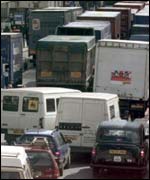
| |  Thursday, 2 January, 2003, 06:01 GMT Thursday, 2 January, 2003, 06:01 GMTAre you ready for congestion charging?  the first of our special series on congestion charging On February the 17th drivers will be faced with paying a new charge of �5 if they enter the congestion charge area in central London. The scheme is being introduced in an attempt to reduce traffic flow in London where the average speed is less than 10 miles per hour.
With average traffic speed so low, The Mayor for London Ken Livingstone hopes the charge will cut traffic by 15 per cent, and that the charge will raise �130 million a year which will be used to improve public transport. From the 17th of February, motorists will be required to pay a �5 charge when entering the zone. Cameras will record all the registration numbers of vehicles entering the charging zone which will be in force from 7am to 6.30pm. The boundary follows the route of the inner city ring road - there will be no charge to drive on this. There will also be exemptions for certain vehicles including Licensed taxis and alternative energy cars and vans. Motorists will have to pay the charge before midnight on the day the journey is made, but there will also be the option to pay in advance and buy annual and monthly 'season' tickets. Campaign group Transport for London is in favour of the scheme it says there may be some teething problems and it will take some months before its success can be measured. The benefits will mean cleaner streets for cyclists and pedestrians and improved public transport, but what happens in London could well set an example for other cities in the United Kingdom to follow. To have your say, e-mail us at [email protected] | |
Internet links:  The BBC is not responsible for the content of external internet sites | |||||||||||||||||||||||||||||||||||||||||||||||||||||||||||||||||||||||||||||||||||||||||||||||||||||||||||||||||||||||||||||||||||||||||||||||||||||||||||||||||||||||||||||||||||||||||||||||||||||||||||||||||||||||||||
 | |
|  E-mail this story to a friend E-mail this story to a friend |
| |
| Links to more Breakfast stories |
| | | ||
 | ||||
 | | Back to top
| ||
| ---------------------------------------------------------------------------------- To BBC Sport>> | To BBC Weather>> | To BBC World Service>> ---------------------------------------------------------------------------------- © MMIII | News Sources | Privacy |