|
 |
 | | | | | | |||||||||||||||||||||||||||||||||||||||||||||||||||||||||||||||||||||||||||||||||||||||||||||||||||||||||||||||||||||||||||||||||||||||||||||||||||||||||||||||||||||||||||||||||||||
| | | You are in: Programmes: Breakfast | |||||||||||||||||||||||||||||||||||||||||||||||||||||||||||||||||||||||||||||||||||||||||||||||||||||||||||||||||||||||||||||||||||||||||||||||||||||||||||||||||||||||||||||||||||||||
|
| |  Friday, 30 August, 2002, 06:08 GMT 07:08 UK Friday, 30 August, 2002, 06:08 GMT 07:08 UK Striking the right balance 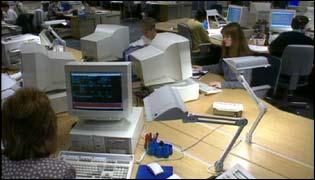 The most stressed workers are in their 30s Workers would rather have their hours cut than win the lottery as a way of improving their quality of life and cutting down on stress. That is the finding of a survey of 500 workers which showed that one in five wanted a better work-life balance. About one in six was working more than 60 hours a week, compared with one in eight of all UK workers in 2000.
My relationship with my husband deteriorates as we never spend any time together, I don't get a chance to do basic things around the house and my house is a tip. I don't have an opportunity to see my friends as much or go out - really my social life suffers. If I'm working really really hard I get coughs and colds or flu. I know if I was working reasonable hours that just wouldn't happen. I choose to do my job but the thing about work life balance is those who can't choose - like nurses and teachers who work extremely long hours Report findings The study, carried out by the Department of Trade and Industry and Management Today magazine, raised concerns about long hours and illness. There was "strong evidence" that stress levels were worse if people worked long hours and had few flexible working options.
| |
See also:  30 Nov 01 | The Money Programme 21 Aug 01 | Business Internet links: The BBC is not responsible for the content of external internet sites | |||||||||||||||||||||||||||||||||||||||||||||||||||||||||||||||||||||||||||||||||||||||||||||||||||||||||||||||||||||||||||||||||||||||||||||||||||||||||||||||||||||||||||||||||||||
| |
|  E-mail this story to a friend E-mail this story to a friend |
| |
| Links to more Breakfast stories |
| | | ||
 | ||||
 | | Back to top
| ||
| ---------------------------------------------------------------------------------- To BBC Sport>> | To BBC Weather>> | To BBC World Service>> ---------------------------------------------------------------------------------- © MMIII | News Sources | Privacy |




 I work roughly 60 or 70 hours per week depending on what caseload I've got.