|
 |
 | | | | | | |||||||||||||||||||||||||||||||||||||||||||||||||||||||||||||||||||||||||||||||||||||||||||||||||||||||||||||||||||||||||||||||||||||||||||||||||||||||||||||||||||||||
| | | You are in: Programmes: Breakfast | |||||||||||||||||||||||||||||||||||||||||||||||||||||||||||||||||||||||||||||||||||||||||||||||||||||||||||||||||||||||||||||||||||||||||||||||||||||||||||||||||||||||||
|
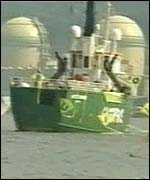
| |  Saturday, 3 August, 2002, 07:19 GMT 08:19 UK Saturday, 3 August, 2002, 07:19 GMT 08:19 UK Inside a nuclear ship 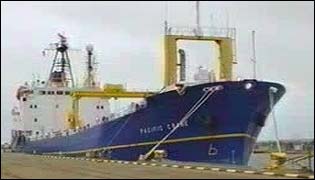 It's a month since two British Nuclear Fuels ships, the Pacific Teal and the Pacific Pintail, set sail from Japan and headed for Britain amidst protests and criticism. Carrying cargoes of nuclear fuel rods, they're due to arrive at Barrow-in-Furness in Cumbria early next month, from where the nuclear fuel on board will be taken to Sellafield.
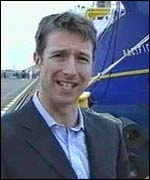
Protest groups say that a flotilla of dozens of boats will meet the ships once they approach the Irish Sea. Our correspondent James Helm has been to see the ships' sister vessel in port at Barrow-in-Furness in Cumbria.
But this ship carries nuclear fuel and its two armed sister ships, currently sailing round the world, are heading for Britain and a storm of protest. Inside the vessel, we were shown the hold where nuclear material is stored. The steel walls are double thickness. Like this ship, the others each have two engines, plus weapons and security teams on board in case of attack. British Nuclear Fuels Ltd insist their ships are safe and secure but many environmental campaigners aren't convinced. They're promising protests once the vessels approach UK and Irish waters. There have already been demonstrations the ships sailed from Japan and again in Australian waters.
The ships' cargo is mixed Uranium and Plutonium Oxide - so called MOX. Environmentalists claim there is enough on board to make 50 nuclear weapons. Greenpeace says the cargo is dangerous and could be a target for terrorists. The fuel will eventually come to Sellafield, which has a new MOX reprocessing plan Officials there are keen to calm fears. Jack Allen, the head of the MOX plant at Sellafield says: "The Plutonium in MOX is encapsulated in a ceramic form which is very safe. And the transport we are using is very high security and well done." The Irish Environment Minister Martin Cullen disagrees. He's disturbed by the level of risk attached to the whole operation. "Any of us, no matter where we live will be deeply concerned about the possibility of something going wrong with one of these shipments, given what the cargo is on board and the potential damage to the environment and human life." | |
| |||||||||||||||||||||||||||||||||||||||||||||||||||||||||||||||||||||||||||||||||||||||||||||||||||||||||||||||||||||||||||||||||||||||||||||||||||||||||||||||||||||||
|  |
|  E-mail this story to a friend E-mail this story to a friend |
| |
| Links to more Breakfast stories |
| | | ||
 | ||||
 | | Back to top
| ||
| ---------------------------------------------------------------------------------- To BBC Sport>> | To BBC Weather>> | To BBC World Service>> ---------------------------------------------------------------------------------- © MMIII | News Sources | Privacy |




 From the outside The Pacific Crane looks like any other cargo vessel.