|
 |
 | | | | | | ||||||||||||||||||||||||||||||||||||||||||||||||||||||||||||||||||||||||||||||||||||||||||||||||||||||||||||||||||||||||||||||||||||||||||||||||||||||||||||||||||||||||||||||||||||||||||
| | | You are in: Programmes: Breakfast | ||||||||||||||||||||||||||||||||||||||||||||||||||||||||||||||||||||||||||||||||||||||||||||||||||||||||||||||||||||||||||||||||||||||||||||||||||||||||||||||||||||||||||||||||||||||||||||
|
| |  Wednesday, 24 July, 2002, 05:20 GMT 06:20 UK Wednesday, 24 July, 2002, 05:20 GMT 06:20 UK Stroke care 'still not good enough' 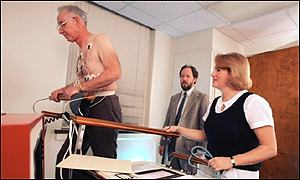 Specialist care is the best option People are dying unnecessarily and living with long term disability because of a lack of dedicated stroke units, according to a survey by the Royal College of Physicians. 130,000 people have strokes every year and their chances of recovery depend on being treated in specialist units The report says that while there has been a slight improvement over the past four years many hospitals will not meet the government's target for better treatment. The College reckons that on current figures, it will be 73 years before all stroke patients spend half their time in hospital in specialist units.
Stroke is one of the UK's biggest killers and the single main cause of severe disability. Each year 130,000 people have a stroke. The survey found that lack of resources were to blame for problems with facilities, diagnosis, treatment and care.
It also found 27% of stroke patients spent most of their stay in a stroke unit compared to 25% in 1999 - that is an increase of 1% per year. If that continues, it will be 73 years before all patients with a stroke spend half their hospital time in a dedicated stroke unit. The survey also showed that only 36% of stroke patients spent any time at all in a stroke unit despite evidence that patients fare better in specialist facilities. Physical assessments Only 64% of patients were recorded as having a swallowing assessment, only 63% a visual fields assessment, and only 49% being weighed. Without this information, the patient is unlikely to be offered appropriate therapy, such as speech or language therapy or physiotherapy. This may lead to future problems in regaining the use of their limbs, sight, hearing and ability to eat properly. Other findings include: The British Association of Stroke Physicians estimates an average district should have two full-time stroke physicians. Dr Tony Rudd, a stroke specialist at Guy's and St Thomas' Hospital in London, said evidence suggested that 19% fewer people would die and 29% fewer would end up dead or disabled if they were treated in a specialist stroke unit. That amounted to about 18,000 more people dying, or a total of 27,000 left dead or disabled, every year in the UK. He said: "People are dying unnecessarily and living with long-term disability, some of which could have been avoided, because of the failure to deliver specialist stroke care.
"Although we are seeing improvements in stroke care, we are not going to achieve the ideal until stroke care is given a higher priority. We need more resources, staff, money and support to deliver effective stroke care." More needed Margaret Goose, chief executive of the Stroke Association, said she was "really disappointed" that nearly three quarters of stroke patients were not getting care in specialist stroke units. She said: "Stroke care is moving forward but at a snail's pace. "And while the improvement in care edges forward people are dying when they should not be or suffering from disability when they could be living independent lives." The government's national service framework for older people stated that everyone who had a stroke should receive specialist care by 2004. The audit covered England, Wales and Northern Ireland. | |
See also:  18 May 01 | Health 07 Feb 01 | Health 02 Jun 00 | Health Internet links: The BBC is not responsible for the content of external internet sites | ||||||||||||||||||||||||||||||||||||||||||||||||||||||||||||||||||||||||||||||||||||||||||||||||||||||||||||||||||||||||||||||||||||||||||||||||||||||||||||||||||||||||||||||||||||||||||
| |
|  E-mail this story to a friend E-mail this story to a friend |
| |
| Links to more Breakfast stories |
| | | ||
 | ||||
 | | Back to top
| ||
| ---------------------------------------------------------------------------------- To BBC Sport>> | To BBC Weather>> | To BBC World Service>> ---------------------------------------------------------------------------------- © MMIII | News Sources | Privacy |




 Three quarters of stroke patients admitted into hospital are not receiving special care. They need to be in a specialist stoke unit where they are getting the right aftercare. Every five seconds someone somewhere is having a stroke. Every 1 in 10 stokes is being experienced by the under 25s, and it is the biggest killer, and the biggest cause of disability. We want better care and more stroke units. We are urging for all staff to be specifically trained especially in casualty and A&E where misdiagnoses have been known to take place.