
|
 |
 | | | | | | ||||||||||||||||||||||||||||||||||||||||||||||||||||||||||||||||||||||||||||||||||||||||||||||||||||||||||||||||||||||||||||||||||||||||||||||||||||||||||||||||||||||||||||||||||||||||||||||||||||||||||||||||||||||||||||||||||||||
| | | You are in: Middle East | ||||||||||||||||||||||||||||||||||||||||||||||||||||||||||||||||||||||||||||||||||||||||||||||||||||||||||||||||||||||||||||||||||||||||||||||||||||||||||||||||||||||||||||||||||||||||||||||||||||||||||||||||||||||||||||||||||||||||
|
| | Thursday, 6 February, 2003, 12:51 GMT Finding the needle in the haystack  US satellites monitor reams of communications
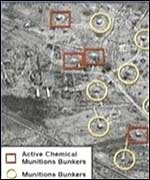
It showed the types of information that can be collected, ranging from intercepted radio signals and telephone conversations to satellite photos. It also showed the way it is mixed together with material from the de-briefing of defectors and the interrogation of al-Qaeda suspects. Many sources Much of this material, we are told, was released only after a serious struggle within the US administration and, in particular, between the US State Department and the wider intelligence community.
Intelligence officers rarely like to reveal anything, fearing that publicity given to their product will inevitably compromise some of the sources from which they obtained their raw materials. For intelligence is in this sense "a product"; it takes inputs from many sources. US satellites and other technical means are probably monitoring hundreds of thousands of Iraqi communications. These have to be filtered to sort the mundane from the useful. But even mundane information - when put together with other fragments of the jigsaw - can suggest a particular picture. Putting that picture together is the work of intelligence analysts. No 'legal' evidence Satellite photos can be scrutinised by experts, individuals' movements can be plotted from their communications; flows of money can be pursued.
Few intelligence cases would necessarily stand up in a court of law. Intelligence gatherers are not like policemen who investigate after a crime has taken place. They are constantly monitoring a whole variety of sources, searching often for that proverbial needle in a haystack. They have to face active efforts by their target to obfuscate and conceal. High stakes What they eventually come up with is, inevitably, only part of the picture. It may seem paradoxical, but matters of war and peace are often determined on standards of evidence that fall far short of legal proof. The stakes in national security are high. And often governments have to act on the intelligence evidence that they have, rather than on what they might like to have. | |
See also:  06 Feb 03 | Middle East 08 Jun 02 | From Our Own Correspondent 30 Jan 03 | Middle East 12 Jan 03 | Africa 11 Dec 02 | Americas 06 Feb 03 | Politics 06 Feb 03 | Middle East 05 Feb 03 | Americas 05 Feb 03 | Middle East Internet links: The BBC is not responsible for the content of external internet sites Top Middle East stories now: Links to more Middle East stories are at the foot of the page. | ||||||||||||||||||||||||||||||||||||||||||||||||||||||||||||||||||||||||||||||||||||||||||||||||||||||||||||||||||||||||||||||||||||||||||||||||||||||||||||||||||||||||||||||||||||||||||||||||||||||||||||||||||||||||||||||||||||||
 | |
|  E-mail this story to a friend E-mail this story to a friend |
| |
| Links to more Middle East stories |
| | | ||
 | ||||
 | | Back to top
| ||
| ---------------------------------------------------------------------------------- To BBC Sport>> | To BBC Weather>> | To BBC World Service>> ---------------------------------------------------------------------------------- © MMIII | News Sources | Privacy |






 It may seem paradoxical, but matters of war and peace are often determined on standards of evidence that fall far short of legal proof


