|
 |
 | | | | | | ||||||||||||||||||||||||||||||||||||||||||||||||||||||||||||||||||||||||||||||||||||||||||||||||||||||||||||||||||||||||||||||||||||||||||||||||||||||||||||||||||||||||||||||||||||||||||||
| | | You are in: Middle East | ||||||||||||||||||||||||||||||||||||||||||||||||||||||||||||||||||||||||||||||||||||||||||||||||||||||||||||||||||||||||||||||||||||||||||||||||||||||||||||||||||||||||||||||||||||||||||||||
|
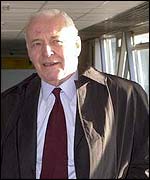
| | Tuesday, 4 February, 2003, 22:14 GMT Analysis: Saddam's TV interview  Saddam Hussein did not stray from his usual image
He wanted it to be part of the diplomatic process. "I am here for only one reason," he told the smartly-suited Saddam Hussein "to see whether, in a talk, we can explore, or you can help me to see what the paths to peace may be." This approach may help to explain the curiously soft nature of the questions and the deferential tone, which if asked by a reporter would have ensured the reporter was not employed in this fashion again.
The answer has to be probably not. It did give a fascinating insight into the mindset of the Iraqi leader, but it did not offer any hope that war can be averted. Saddam Hussein was all blandness and denial. He denied that Iraq has weapons of mass destruction (using a nice line about them being too big to hide in one's pocket). He also denied any links to al-Qaeda. And he denied he was obstructing the weapons inspectors. Those who believe him perhaps did not expect him to elaborate, but in the present situation it would have served the cause of peace for him to have engaged in some of the issues - the so called "missing material" for a start. Those looking for a last-minute openness will have been disappointed, though hardly surprised. Saddam's monologue The image Saddam Hussein presented was his usual one of the Iraqi people being put upon by the aggressive Americans who wanted to get at their oil and who were being pushed by the "Zionist entity", that old phrase for Israel which even the Palestinians have given up. Mr Benn's oil question was perhaps the softest of all since it began by conceding the argument in advance - "many people believe that the present conflict is about oil". His argument may or may not have truth in it, but Tony Benn did not help the ambitious aim he had set himself by not challenging at least some of it. He might have then got Saddam Hussein off his monologue into a dialogue. The most significant thing, and for some the most depressing about the interview perhaps, was that it showed how little Saddam Hussein has changed. He probably seriously believes that, as he put it: "Iraqis are as committed to their rights as much as they are committed to the rights of others." That statement somehow misses out recent history which has seen Iraq attack both Iran and Kuwait. The Iraqi president seemed at one point almost to accept the inevitability of war, saying the Iraqi people would fight as bravely as the British had fought during World War II. Mr Benn's paths to peace appear to narrow indeed. | |
See also:  04 Feb 03 | Middle East 04 Feb 03 | Politics Internet links: The BBC is not responsible for the content of external internet sites Top Middle East stories now: Links to more Middle East stories are at the foot of the page. | ||||||||||||||||||||||||||||||||||||||||||||||||||||||||||||||||||||||||||||||||||||||||||||||||||||||||||||||||||||||||||||||||||||||||||||||||||||||||||||||||||||||||||||||||||||||||||||
 | |
|  E-mail this story to a friend E-mail this story to a friend |
| |
| Links to more Middle East stories |
| | | ||
 | ||||
 | | Back to top
| ||
| ---------------------------------------------------------------------------------- To BBC Sport>> | To BBC Weather>> | To BBC World Service>> ---------------------------------------------------------------------------------- © MMIII | News Sources | Privacy |