|
 |
 | | | | | | ||||||||||||||||||||||||||||||||||||||||||||||||||||||||||||||||||||||||||||||||||||||||||||||||||||||||||||||||||||||||||||||||||||||||||||||||||||||||||||||||||||||||||||||||||||||||||||||||||||||||||||||||||||||||||||||||||||||||||||||
| | | You are in: Middle East | ||||||||||||||||||||||||||||||||||||||||||||||||||||||||||||||||||||||||||||||||||||||||||||||||||||||||||||||||||||||||||||||||||||||||||||||||||||||||||||||||||||||||||||||||||||||||||||||||||||||||||||||||||||||||||||||||||||||||||||||||
|
| | Friday, 17 January, 2003, 22:39 GMT Analysis: Iraq tensions rise  The US and Iraq are fighting a bitter war of words
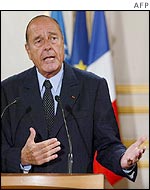
And tensions are rising between the United States and other members of the Security Council led by France and Russia who want Washington to follow the lead of the weapons inspectors themselves and give them more time to do their work.
Mr Blair's recent comments have swung him behind the George Bush line but he has also said that the inspectors must be given "time and space". After a meeting with Hans Blix, the chief UN weapons inspector, on Friday his spokesman pointedly mentioned how much he strongly supported the inspectors' work. US rhetoric The way to war is being signposted by an increase in the American rhetoric, which is significant even allowing for the fact that at this stage you would expect the pressure on Saddam Hussein to be maintained.
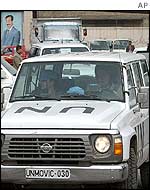
The Secretary of State, Colin Powell, has told journalists from countries which have just joined the Security Council that "a persuasive case will be there at the end of the month that Iraq is not co-operating [with the inspectors]". The discovery of 12 chemical warfare shells does not make the American case, but it is being used to help it. The White House spokesman, Ari Fleischer, who picks his words carefully, said it was "proof that he [Saddam Hussein] has not disarmed". One can expect the United States (and maybe Britain) to start making a much more vigorous case at some stage. To convince the many doubters, they need to go beyond assertions into evidence stronger than the chance discovery of a few rockets. Key junctures Remember, though, that Security Council resolution 1441 does not require that actual weapons of mass destruction have to be found in Iraq before Iraq is in breach. The resolution says that a failure to co-operate is the key and the United States has claimed a right to make that judgment itself. It might do so. There is a rush of meetings and events at the end of January:
It is awkward for Mr Blair to be seeing the president at the end of the sequence as he would have less chance of influencing any decisions. If he protests, then Mr Bush might delay taking the final step until he has seen the one major ally who is likely to stand by him. There is also a meeting of foreign ministers at the Security Council on 20 January to discuss international terrorism, a chance therefore to swap notes. The British Foreign Secretary, Jack Straw, will see Mr Powell in Washington later in the week. Warning from history Meanwhile, Saddam Hussein has made a speech in which he compares the Americans to the Mongols who attacked Baghdad in 1258.
He says that they will be forced to "commit suicide" at the gates of the city. The problem with this analogy, as anyone in the Arab world knows, is that the Mongols under their general Hulegu, not only attacked Baghdad but captured and sacked it before going on to lay waste to much more of Arab civilisation. They thus ended Baghdad's golden century as the centre of Islamic culture and learning. Also destroyed was the Abbasid Caliphate, which ruled across the Islamic world from Baghdad. The Caliphate, incidentally, is what the followers of Osama bin Laden would like to reconstitute. The lessons for Saddam Hussein from history are not very good. | |
See also:  17 Jan 03 | Middle East 17 Jan 03 | Middle East 17 Jan 03 | Middle East 16 Jan 03 | Politics 14 Jan 03 | Americas 17 Jan 03 | Politics Internet links: The BBC is not responsible for the content of external internet sites Top Middle East stories now: Links to more Middle East stories are at the foot of the page. | ||||||||||||||||||||||||||||||||||||||||||||||||||||||||||||||||||||||||||||||||||||||||||||||||||||||||||||||||||||||||||||||||||||||||||||||||||||||||||||||||||||||||||||||||||||||||||||||||||||||||||||||||||||||||||||||||||||||||||||||
 | |
|  E-mail this story to a friend E-mail this story to a friend |
| |
| Links to more Middle East stories |
| | | ||
 | ||||
 | | Back to top
| ||
| ---------------------------------------------------------------------------------- To BBC Sport>> | To BBC Weather>> | To BBC World Service>> ---------------------------------------------------------------------------------- © MMIII | News Sources | Privacy |