|
 |
 | | | | | | ||||||||||||||||||||||||||||||||||||||||||||||||||||||||||||||||||||||||||||||||||||||||||||||||||||||||||||||||||||||||||||||||||||||||||||||||||||||||||||||||||||||||||||||||||||||||||||||||||||||||||||||||||||||||||||||||||||||||||||
| | | You are in: Middle East | ||||||||||||||||||||||||||||||||||||||||||||||||||||||||||||||||||||||||||||||||||||||||||||||||||||||||||||||||||||||||||||||||||||||||||||||||||||||||||||||||||||||||||||||||||||||||||||||||||||||||||||||||||||||||||||||||||||||||||||||
|
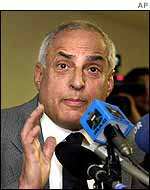
| | Monday, 9 December, 2002, 01:06 GMT Iraq issues challenge over arms  Nuclear scientists aim to report within two weeks Iraq has challenged the United States to provide evidence that Iraq still possesses weapons of mass destruction. If they do, "they should come up [with the evidence] forthwith. The sooner they do it, the better for all concerned," an adviser to Iraqi leader Saddam Hussein said at a news conference in Baghdad.
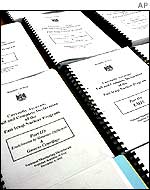
The dossier has now reached New York, and is on its way to the UN headquarters there. Two copies of the chemical, biological and missile components arrived at 1945 on Sunday (0045GMT Monday). The nuclear component of the dossier has been sent to the headquarters of the International Atomic Energy Agency in Vienna. General al-Saadi said the 12,000 page dossier was an "honest, truthful and comprehensive" account of Iraq's weapons programmes. It contained 800 sites that could be monitored by the inspectors - everyone could see Iraq had no weapons of mass destruction.
On their ninth day of work, inspectors from the UN Monitoring, Verification and Inspection Commission (Unmovic) visited a geological research facility in central Baghdad. Biological and chemical experts went to the Fallugah complex where Iraq produced chemical and biological arms in the past. Another contingent of 25 inspectors arrived in Baghdad on Sunday, more than doubling the existing team. The UN have also brought in a helicopter to help them cover much more of this vast country, says the BBC's Ben Brown in Baghdad. No weapons The adviser to the Iraqi leader told journalists the weapons declaration was so long because - based on Resolution 1441 - the government had had to include details on anything that was of potential dual use such as tanneries, breweries, and even factories manufacturing slippers. General al-Saadi said each document was in two parts: one detailing work until 1991 - before the Gulf War - and the other including the period from 1991 to the present. Responding to questions about US and UK allegations, General al-Saadi said: "Let them come up with it, give it to the IAEA, give it to Unmovic. They are here - they could check it. Why play this game?" US Assistant Secretary of State Richard Armitage has meanwhile arrived in Japan on the first leg of an Asian tour aimed at building support for American policy on Iraq. Biological cookbooks The dossier is expected to arrive at UN headquarters later on Sunday, where those parts of it that are in Arabic will be translated and then studied by experts from the UN as well as the US and its allies.
The first task for the Unmovic inspectors will be to black out any sections of the declaration which could lead to information about weapons of mass destruction falling into the wrong hands. So any plans for building nuclear devices or what the inspectors called "biological cookbooks" will be cut out before the Security Council itself gets a look at the declaration, our correspondent says. | |
See also:  07 Dec 02 | Middle East 07 Dec 02 | Americas 07 Dec 02 | Middle East 08 Dec 02 | Middle East 08 Dec 02 | Politics 08 Dec 02 | Middle East Internet links: The BBC is not responsible for the content of external internet sites Top Middle East stories now: Links to more Middle East stories are at the foot of the page. | ||||||||||||||||||||||||||||||||||||||||||||||||||||||||||||||||||||||||||||||||||||||||||||||||||||||||||||||||||||||||||||||||||||||||||||||||||||||||||||||||||||||||||||||||||||||||||||||||||||||||||||||||||||||||||||||||||||||||||||
| |
|  E-mail this story to a friend E-mail this story to a friend |
| |
| Links to more Middle East stories |
| | | ||
 | ||||
 | | Back to top
| ||
| ---------------------------------------------------------------------------------- To BBC Sport>> | To BBC Weather>> | To BBC World Service>> ---------------------------------------------------------------------------------- © MMIII | News Sources | Privacy |