|
 |
 | | | | | | ||||||||||||||||||||||||||||||||||||||||||||||||||||||||||||||||||||||||||||||||||||||||||||||||||||||||||||||||||||||||||||||||||||||||||||||||||||||||||||||||||||||||||||||||||||||||||||||||||||||||||||||||||||||||||||||||||||||
| | | You are in: Middle East | ||||||||||||||||||||||||||||||||||||||||||||||||||||||||||||||||||||||||||||||||||||||||||||||||||||||||||||||||||||||||||||||||||||||||||||||||||||||||||||||||||||||||||||||||||||||||||||||||||||||||||||||||||||||||||||||||||||||||
|
| | Saturday, 7 December, 2002, 21:57 GMT Iraq hands over weapons dossier 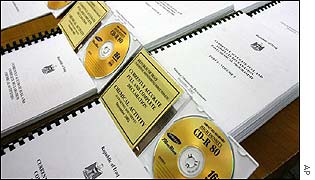 The document was displayed on hard copy and CD-Rom Iraq has handed over to the United Nations a huge dossier setting out details of the country's weapons programme - one day ahead of the deadline to do so. Iraqi officials carried the 12,000-page document and two separate annexes into the UN inspectors' Baghdad headquarters in cardboard boxes and plastic bags.
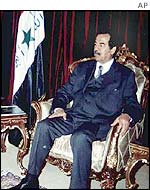
At the same time, Iraqi President Saddam Hussein delivered a televised message to the Kuwaiti people. In the address, read by Information Minister Mohamed Said Sahaf, he accused the leadership of Kuwait of conspiring "hand in hand" with infidel forces who were preparing to attack Iraq. He appealed to the Kuwait people to rise up against the foreigners who he said were inflicting evil on the Arab peoples.
"We apologise to God for any deed that angered him in the past, which we might not have known of and is blamed on us, and on this basis we also apologise to you." Kuwaiti anger Kuwait's Information Minister Sheik Ahmed Fahd Al Ahmed Al Sabah dismissed the apology as unworthy of a response and accused Saddam Hussein of inciting terror attacks. "He must apologise to the Iraqi people first for dragging them into wars that wasted their resources and apologise to the State of Kuwait by telling the truth and returning the prisoners," Mr Al Sabah said.
Earlier, small groups of reporters filed into the headquarters of the Iraqi body liaising with the UN, the National Monitoring Directorate, to get a glimpse of the document. National Monitoring Directorate head Hussam Mohammed Amin said that Iraq was "empty of any weapons of mass destruction", although the document contained some activities which were potentially for dual military and civilian use. The BBC's Ben Brown in Baghdad says that in view of this, the dossier is almost certain to fall short of US and British demands. UN chief arms inspector Hans Blix, who will receive the document, said he and his team of inspectors were keeping an open mind. "We are not claiming that (Iraq) still has weapons of mass destruction but the British and the Americans are," he said. "We just have questions." The Bush administration issued a statement acknowledging the handover, saying it will analyse the declaration "with respect to its credibility and its compliance" with the latest UN resolution.
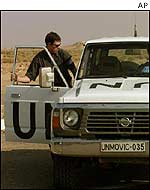
"We will continue to work with other countries to achieve the ultimate goal of protecting the peace by ending Saddam Hussein's pursuit and accumulation of weapons of mass destruction," White House press secretary Ari Fleischer said. Mr Amin said many Iraqi scientists had been involved in preparing the dossier. He believed that the US and Britain had insisted on such a detailed project in the belief that Iraq would not be able to complete it by the UN deadline of Sunday. "If the US has minimum levels of fairness and bravery it should accept the report," he said. The massive document was displayed on a long wooden table in stacks of files, folders and CD-Roms. Its English title is Currently Accurate, Full and Complete Declarations. Nuclear programme Saturday also saw two teams of weapons inspectors resume their work after the two-day Muslim holiday of Eid al-Fitr with visits to research facilities south of the capital, Baghdad. A team from the UN Monitoring, Verification and Inspection Commission (Unmovic) visited the al-Quds site in the town of al-Iskandariyah, 40 kilometres (25 miles) from Baghdad. The site is suspected of being involved in the development of chemical and biological weapons. Hamid al-Azzawi, the facility's director, said the inspectors toured the entire site and were given full co-operation. The International Atomic Energy Authority's (IAEA) team went to the al-Tuwaitha nuclear research complex, 20km (13 miles) south of the capital. Al-Tuwaitha was the site of Iraq's nuclear research programme before it was dismantled by previous teams of inspectors. | |
See also:  07 Dec 02 | Middle East 07 Dec 02 | Americas 07 Dec 02 | Middle East Internet links: The BBC is not responsible for the content of external internet sites Top Middle East stories now: Links to more Middle East stories are at the foot of the page. | ||||||||||||||||||||||||||||||||||||||||||||||||||||||||||||||||||||||||||||||||||||||||||||||||||||||||||||||||||||||||||||||||||||||||||||||||||||||||||||||||||||||||||||||||||||||||||||||||||||||||||||||||||||||||||||||||||||||
| |
|  E-mail this story to a friend E-mail this story to a friend |
| |
| Links to more Middle East stories |
| | | ||
 | ||||
 | | Back to top
| ||
| ---------------------------------------------------------------------------------- To BBC Sport>> | To BBC Weather>> | To BBC World Service>> ---------------------------------------------------------------------------------- © MMIII | News Sources | Privacy |