|
 |
 | | | | | | |||||||||||||||||||||||||||||||||||||||||||||||||||||||||||||||||||||||||||||||||||||||||||||||||||||||||||||||||||||||||||||||||||||||||||||||||||||||||||||||||||||||||||||||||||||||||||||
| | | You are in: Middle East | |||||||||||||||||||||||||||||||||||||||||||||||||||||||||||||||||||||||||||||||||||||||||||||||||||||||||||||||||||||||||||||||||||||||||||||||||||||||||||||||||||||||||||||||||||||||||||||||
|
| | Wednesday, 20 November, 2002, 18:14 GMT 'No hidden triggers' for Iraq war 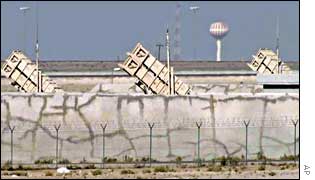 US Patriot anti-missile systems are trained on Iraq
But they are also warning that a war next summer cannot be ruled out on grounds that the weather might be too hot and that, even if nothing is found, inspectors will stay in Iraq indefinitely to monitor Iraqi actions.
On the most immediate issue - whether Iraqi attacks on American and British aircraft patrolling the two no-fly zones over Iraq constitutes a material breach of the latest Security Council resolution 1441 - the British view is that they do not. And Britain believes that to be the US position as well, despite an initial claim by a White House spokesman that such attacks do infringe the resolution. Paragraph 8 of the resolution says that "Iraq shall not take or threaten hostile acts directed against any representative or personnel [...] of any member state taking action to uphold any Council resolution". Into the breach During the Security Council negotiations, British ambassador Sir Jeremy Greenstock gave assurances that Iraq action in the no-fly zones would not trigger a war. American ambassador John Negroponte murmured his assent.
However, as US Defence Secretary Donald Rumsfeld has made clear, Iraqi attacks will be chalked up in the negative column against Saddam Hussein and could therefore influence any eventual decision on whether to go to war. The British officials also tried to lay to rest any suggestion that a declaration on its weapons programmes due to be made by Iraq by 8 December will by itself be used as a trigger for war. Only if the declaration is found to be false in practice would the issue of a "material breach" of the resolution arise, they said. This is because of the careful wording of paragraph 4 which says that "false statements [...] submitted by Iraq and failure [...] to co-operate fully [...] shall constitute a further breach". The word "and" is vital here. Originally the US and UK wanted "or". It is one example of the way hidden triggers were eliminated during the negotiating process. Officials in London said the White House would follow this line "whatever the scatter from the Pentagon". The expectation in London is that the Iraqi declaration on its weapons will lead to an extended period of inspections, unless Saddam Hussein makes a mistake early on and defies the UN. The British line is that Washington does want to solve this without war now and that patience as well as determination is needed. Chief UN weapons inspector Hans Blix is expected to call in on British Prime Minister Tony Blair at the end of this week on his way back to the United States from Iraq. | |
See also:  20 Nov 02 | Middle East 18 Nov 02 | Middle East 18 Nov 02 | Middle East 01 Oct 02 | Middle East 19 Sep 02 | Europe Internet links: The BBC is not responsible for the content of external internet sites Top Middle East stories now: Links to more Middle East stories are at the foot of the page. | |||||||||||||||||||||||||||||||||||||||||||||||||||||||||||||||||||||||||||||||||||||||||||||||||||||||||||||||||||||||||||||||||||||||||||||||||||||||||||||||||||||||||||||||||||||||||||||
| |
|  E-mail this story to a friend E-mail this story to a friend |
| |
| Links to more Middle East stories |
| | | ||
 | ||||
 | | Back to top
| ||
| ---------------------------------------------------------------------------------- To BBC Sport>> | To BBC Weather>> | To BBC World Service>> ---------------------------------------------------------------------------------- © MMIII | News Sources | Privacy |