|
 |
 | | | | | | |||||||||||||||||||||||||||||||||||||||||||||||||||||||||||||||||||||||||||||||||||||||||||||||||||||||||||||||||||||||||||||||||||||||||||||||||||||||||||||||||||||||||||||||||||||||||||||||||||||||||||||||||||||||||||||||||||||||||||||||||||||||||||
| | | You are in: Middle East | |||||||||||||||||||||||||||||||||||||||||||||||||||||||||||||||||||||||||||||||||||||||||||||||||||||||||||||||||||||||||||||||||||||||||||||||||||||||||||||||||||||||||||||||||||||||||||||||||||||||||||||||||||||||||||||||||||||||||||||||||||||||||||||
|
| | Tuesday, 12 November, 2002, 18:02 GMT Bush scorns Iraqi vote 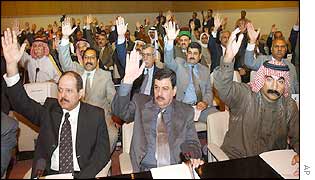 Iraq's deputies unanimously rejected the UN resolution US President George W Bush has dismissed the Iraqi parliament's rejection of a United Nations resolution, saying he wants to hear from President Saddam Hussein whether he will disarm or face attack.
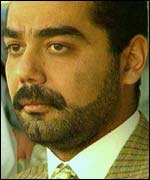
Mr Bush called the Iraqi parliament "a rubber stamp", and said Washington was waiting for a statement from the Iraqi leader himself. On Tuesday, Iraq's parliament voted unanimously to reject the resolution requiring the return of weapons inspectors, but left the final decision to Saddam Hussein. The rejection came despite an appeal by the Iraqi president's son Uday for parliament to accept the UN's demands, and followed an unexpected warning from France that spurning the inspections would mean war.
"If Saddam Hussein does not comply to the detail of the resolution, we will lead a coalition to disarm him," Mr Bush said. He dismissed the Baghdad parliament's vote, saying there was no democracy in Iraq. "This guy [Saddam Hussein] is a dictator, ... we'd like to see what he says," Mr Bush said. Defiance The Iraqi president has until Friday to make up his mind on the resolution, which demands Iraq submit a detailed list of its arms and allow inspectors complete access to all suspected weapons' sites
Iraqi deputies had made clear their hostility to the resolution in a first day of debate on Monday, and the parliament's foreign relations committee recommended that it be rejected. After the vote, Parliamentary Speaker Saadun Hammadi said the country was now preparing for war. He said Iraq would not turn the other cheek, and would protect its independence. The BBC's Caroline Hawley in Baghdad says Iraqis view the terms under which the UN weapons inspectors would operate as deeply humiliating and provocative. One deputy said the resolution was a minefield without a map. Gone underground? Uday Hussein's statement came on the heels of a French warning about the consequences of a rejection. France, a member of the UN Security Council, has previously argued that Baghdad should not be automatically attacked if it fails to meet the terms of the resolution.
"If Saddam Hussein does not comply, if he does not satisfy his obligations, there will obviously be a use of force," French Foreign Minister Dominique de Villepin said. "We can now expect that any decision on force would be made unanimously," he added following the UN Security Council's adoption of the new resolution. It is the strongest indication from France to date that it would support military action, provided it is approved by the UN Security Council and not a unilateral campaign by the United States. Meanwhile, US Defence Secretary Donald Rumsfeld, has said he doubts that Saddam Hussein would agree to give up his weapons programmes. Mr Rumsfeld told reporters that the Iraqi leader had already started hiding weapons at secret sites across the country, including in underground locations. "They've gone so far underground that the only way they can be found is through defectors," he said. | |
See also:  12 Nov 02 | Middle East 12 Nov 02 | Media reports 10 Nov 02 | Middle East 10 Sep 02 | Middle East 12 Nov 02 | Business 12 Nov 02 | Middle East Internet links: The BBC is not responsible for the content of external internet sites Top Middle East stories now: Links to more Middle East stories are at the foot of the page. | |||||||||||||||||||||||||||||||||||||||||||||||||||||||||||||||||||||||||||||||||||||||||||||||||||||||||||||||||||||||||||||||||||||||||||||||||||||||||||||||||||||||||||||||||||||||||||||||||||||||||||||||||||||||||||||||||||||||||||||||||||||||||||
| |
|  E-mail this story to a friend E-mail this story to a friend |
| |
| Links to more Middle East stories |
| | | ||
 | ||||
 | | Back to top
| ||
| ---------------------------------------------------------------------------------- To BBC Sport>> | To BBC Weather>> | To BBC World Service>> ---------------------------------------------------------------------------------- © MMIII | News Sources | Privacy |