|
 |
 | | | | | | ||||||||||||||||||||||||||||||||||||||||||||||||||||||||||||||||||||||||||||||||||||||||||||||||||||||||||||||||||||||||||||||||||||||||||||||||||||||||||||||||||||||||||||||||||||||||
| | | You are in: Middle East | ||||||||||||||||||||||||||||||||||||||||||||||||||||||||||||||||||||||||||||||||||||||||||||||||||||||||||||||||||||||||||||||||||||||||||||||||||||||||||||||||||||||||||||||||||||||||||
|
| | Sunday, 10 November, 2002, 14:28 GMT Blix promises tactful inspections 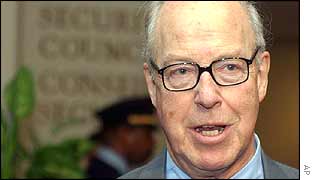 Blix says the UN timetable is realistic The United Nations chief weapons inspector, Hans Blix, has said his staff will act firmly but tactfully during their forthcoming mission to monitor Iraqi compliance with disarmament resolutions.
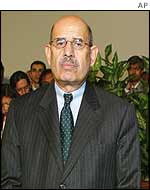
He told the London-based Arabic-language newspaper Al-Hayat that the inspectors would not, as he put it, "kick down doors". Mr Blix said the crucial issue was whether Iraq would make a statement within the 30-day deadline on its weapons stocks. Iraq has consistently denied it holds any stocks of chemical, biological or nuclear weapons. Mr Blix said he expected to go to Baghdad in just over a week, along with the director general of the International Atomic Energy Agency, Mohammed el-Baradei. Mr el-Baradei told Al-Hayat that the inspectors would use common sense, and would act with total neutrality. Potential pitfalls Mr Blix, chairman of the UN Monitoring, Verification and Inspection Commission (Unmovic), said checking presidential sites "will not be the most difficult" part of the job.
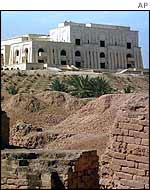
When weapons inspectors were last in Iraq the issue of checking presidential sites was a particular sticking point. "I think what matters most is to know if the Iraqis will, within the 30-day deadline, make the requested statements about their weapons of mass destruction (WMD) and outline their civilian industries," Mr Blix said. Mr Blix said the deadline was "realistic" but "could cause some difficulties" in the civilian sector because of the scale of Iraq's petro-chemical industry. Arrivals schedule Mr Blix expects to travel to Baghdad on 18 November.
"A week later a team of 12 people will go there to carry out preliminary inspections and will be followed by a larger team," he said. "Within 45 days, and depending on what the UN Security Council decides, there will be between 80 and 100 inspectors in Iraq," Mr Blix added. In another interview, with Swedish radio, Mr Blix said previous inspections had shown it would take time to get a full picture of the Iraqi weapons programme. The question was whether the United States, Britain and others had the patience to wait as long as necessary. Iraqi interviewees Mr Blix said it had not yet been finalised which Iraqi officials would face questioning, but he did not rule out interviewing Saddam Hussein himself.
"We do not know if we are going to meet him. I am ruling out nothing categorically but I'm not confirming anything either," he said. But Mr Baradei, who also spoke to the newspaper, said the interviews would be "limited to scientists who took part in the nuclear, chemical and biological programmes". Mr Baradei emphasised that the inspectors would not rely on shock tactics to carry out their job. "If we have to go into a house, we will knock on the door and wait until someone allows us to go in," he said. "If for example we are going into a church and a mass is taking place we will wait until it is over before going in and that will also apply to mosques during prayer times," Mr Baradei added. | |
Internet links:  The BBC is not responsible for the content of external internet sites Top Middle East stories now: Links to more Middle East stories are at the foot of the page. | ||||||||||||||||||||||||||||||||||||||||||||||||||||||||||||||||||||||||||||||||||||||||||||||||||||||||||||||||||||||||||||||||||||||||||||||||||||||||||||||||||||||||||||||||||||||||
| |
|  E-mail this story to a friend E-mail this story to a friend |
| |
| Links to more Middle East stories |
| | | ||
 | ||||
 | | Back to top
| ||
| ---------------------------------------------------------------------------------- To BBC Sport>> | To BBC Weather>> | To BBC World Service>> ---------------------------------------------------------------------------------- © MMIII | News Sources | Privacy |